
Urban exploration is often associated with abandoned buildings, hidden tunnels, and forgotten infrastructure. But cities are far more than the relics they leave behind.
At The Urban Explorer, we’re redefining urban exploration by going beyond ruins to uncover what truly makes cities meaningful—public spaces, cultural landmarks, heritage sites, and the communities that bring them to life.
In Calgary, this experience is shaped by one of North America’s most extensive urban pathway and bikeway networks. These everyday routes—sidewalks, trails, and shared spaces—are where urban life actually happens.
Our goal is simple: explore and share these environments while encouraging community connection and active living through walking, cycling, and discovery.
Urban exploration is commonly defined as “the exploration of man-made structures, usually abandoned ruins or hidden components of the man-made environment.” While compelling, this definition is limited.
It overlooks the most important part of any city: the human connection to the spaces we move through every day. Cities are not just built—they are lived in. Meaning emerges through the interaction of people, place, and movement.
What Does “Urban” Really Mean?
The word urban is used to describe everything from design and infrastructure to culture, music, and identity. Today, more than half of the world’s population lives in urban areas—yet there is no single, universal definition of what “urban” truly means.
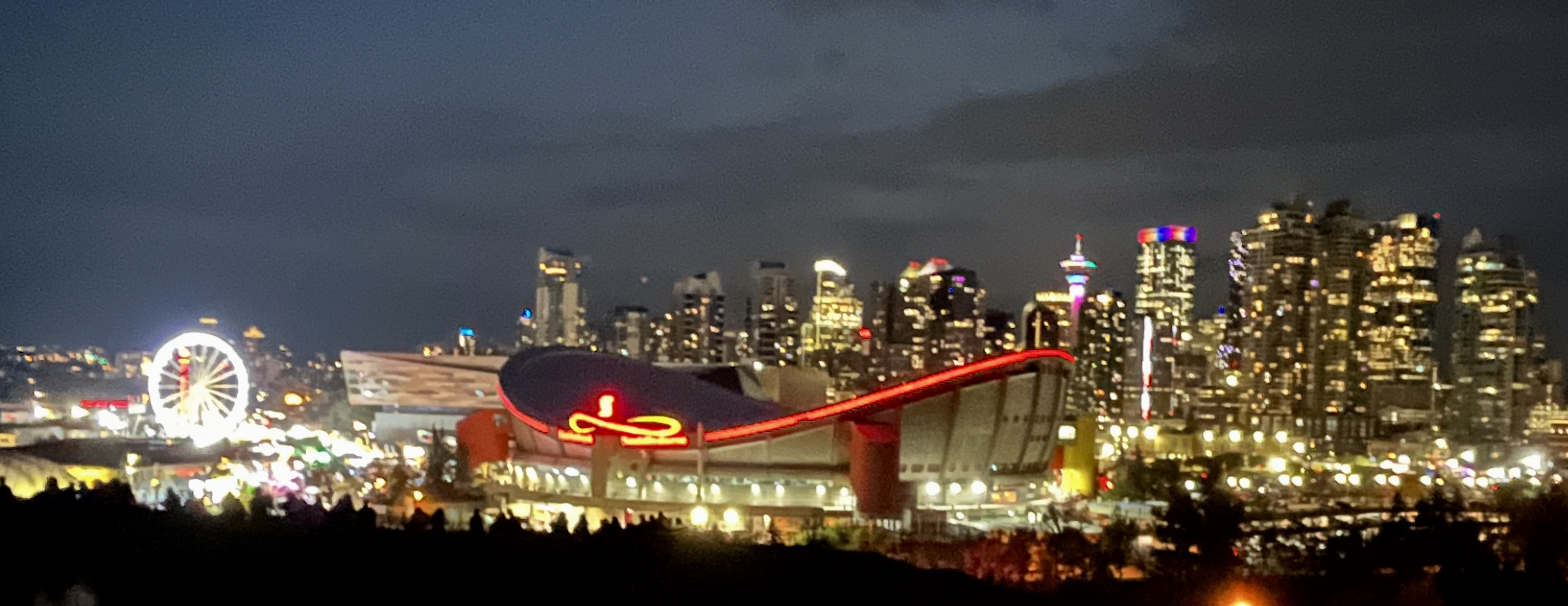
Urban studies approaches cities as complex, evolving systems shaped by social, economic, environmental, and cultural forces. These layers influence how spaces are designed, used, and experienced over time.
In cities around the world, urban design plays a key role in shaping daily life. The City of Calgary website states:
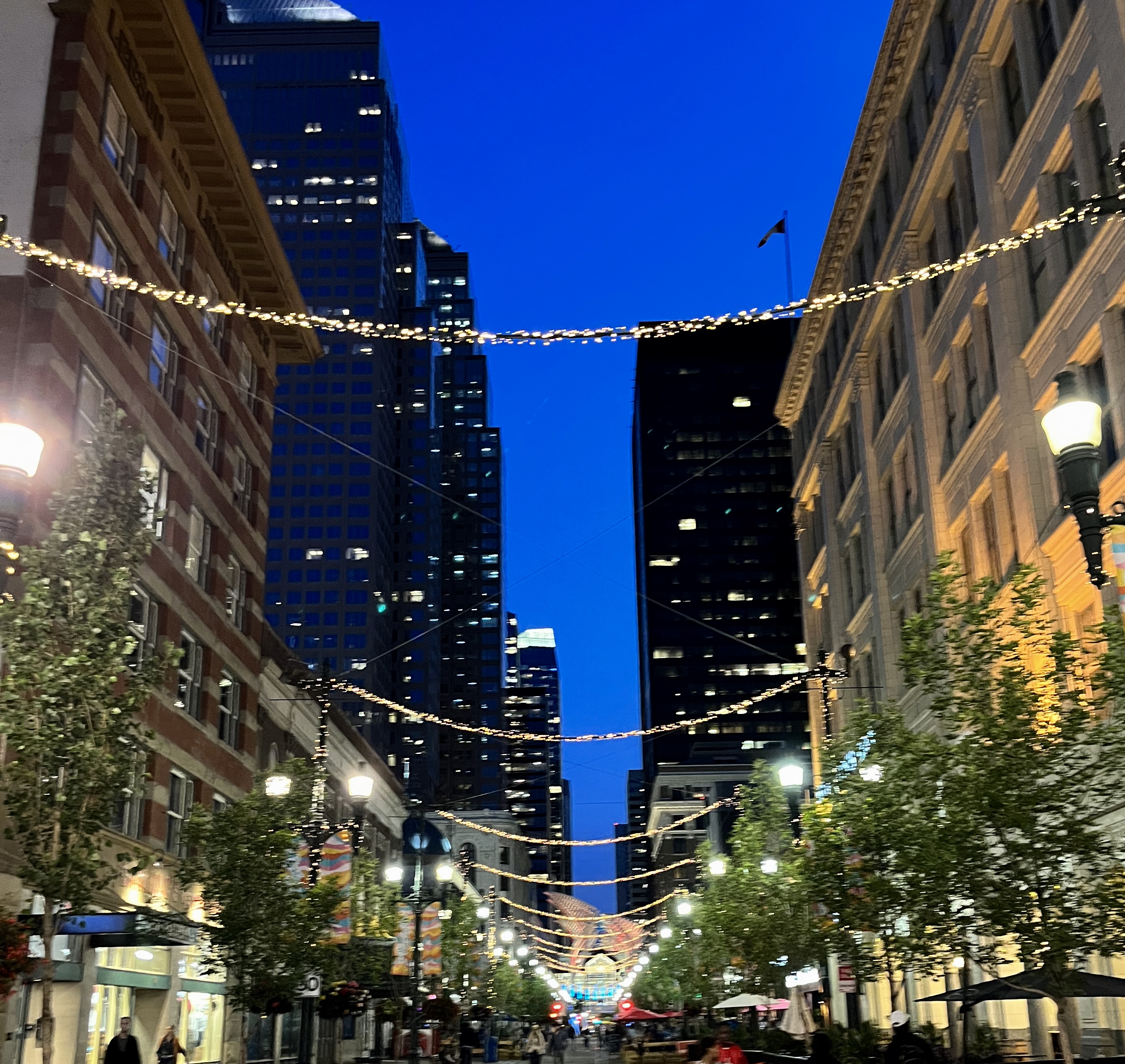
Urban Design combines the many elements of great place-making. Land use & transportation planning, architecture, landscape design, public art, and engineering, among others. The effective coordination of these specialties results in the creation of distinctive and cherished places.
When these elements are thoughtfully integrated, they result in places people value, use, and remember. Because there is no rigid definition, urban ultimately takes on the meaning that communities give it. It is shaped through shared experiences—how people move, gather, and connect within the city.
Beyond Abandoned Places
Abandoned sites have long captured the imagination. Their architecture, history, and sense of mystery make them compelling subjects for exploration.
However, exploring these spaces can often be unsafe or unlawful. More importantly, focusing only on abandoned places limits our understanding of the city.
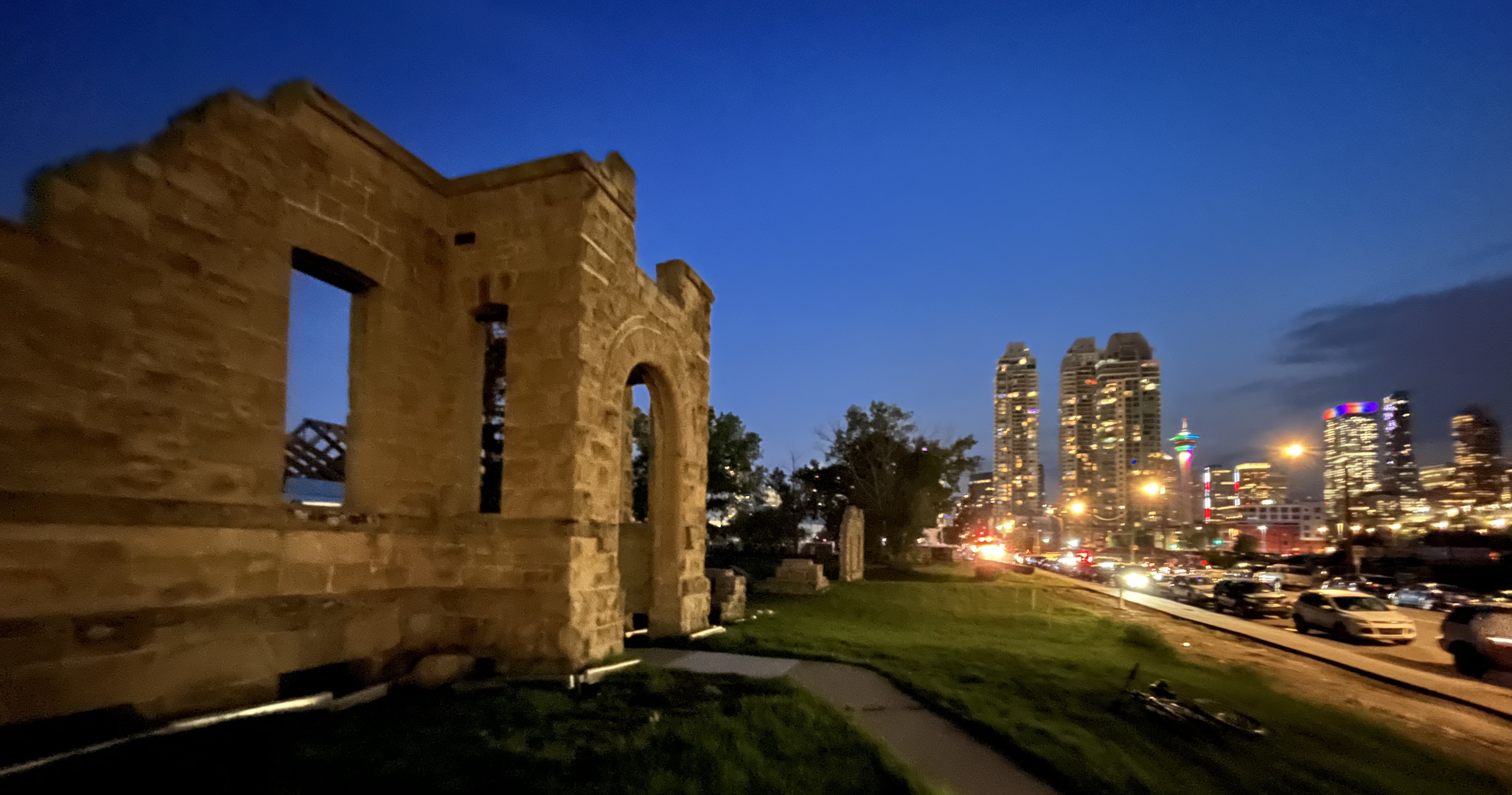
Apply that same curiosity to spaces that have been preserved, reimagined, and reintegrated into the city. These places connect past and present, allowing us to engage our community and shared heritage while participating in an active lifestyle.
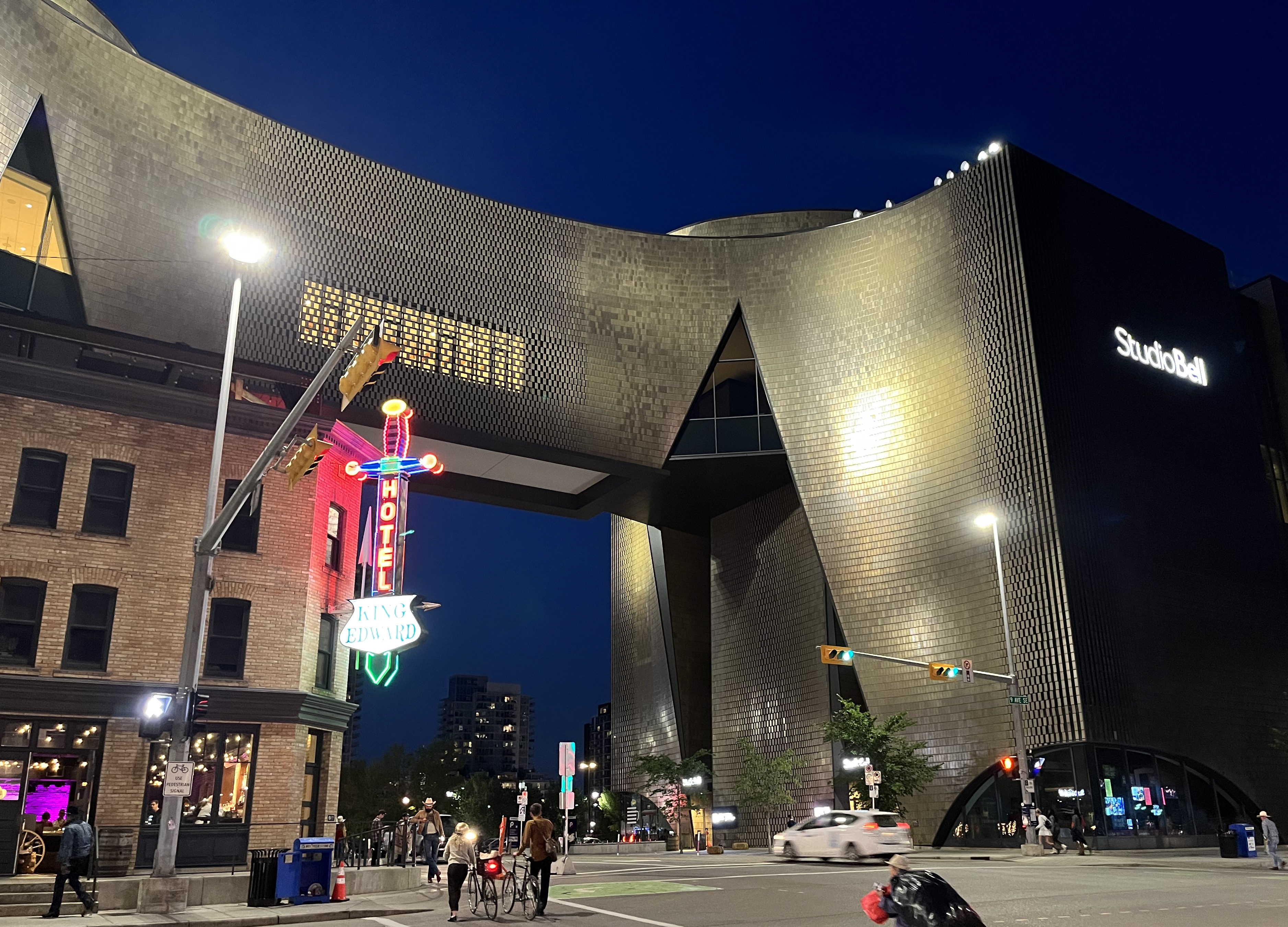
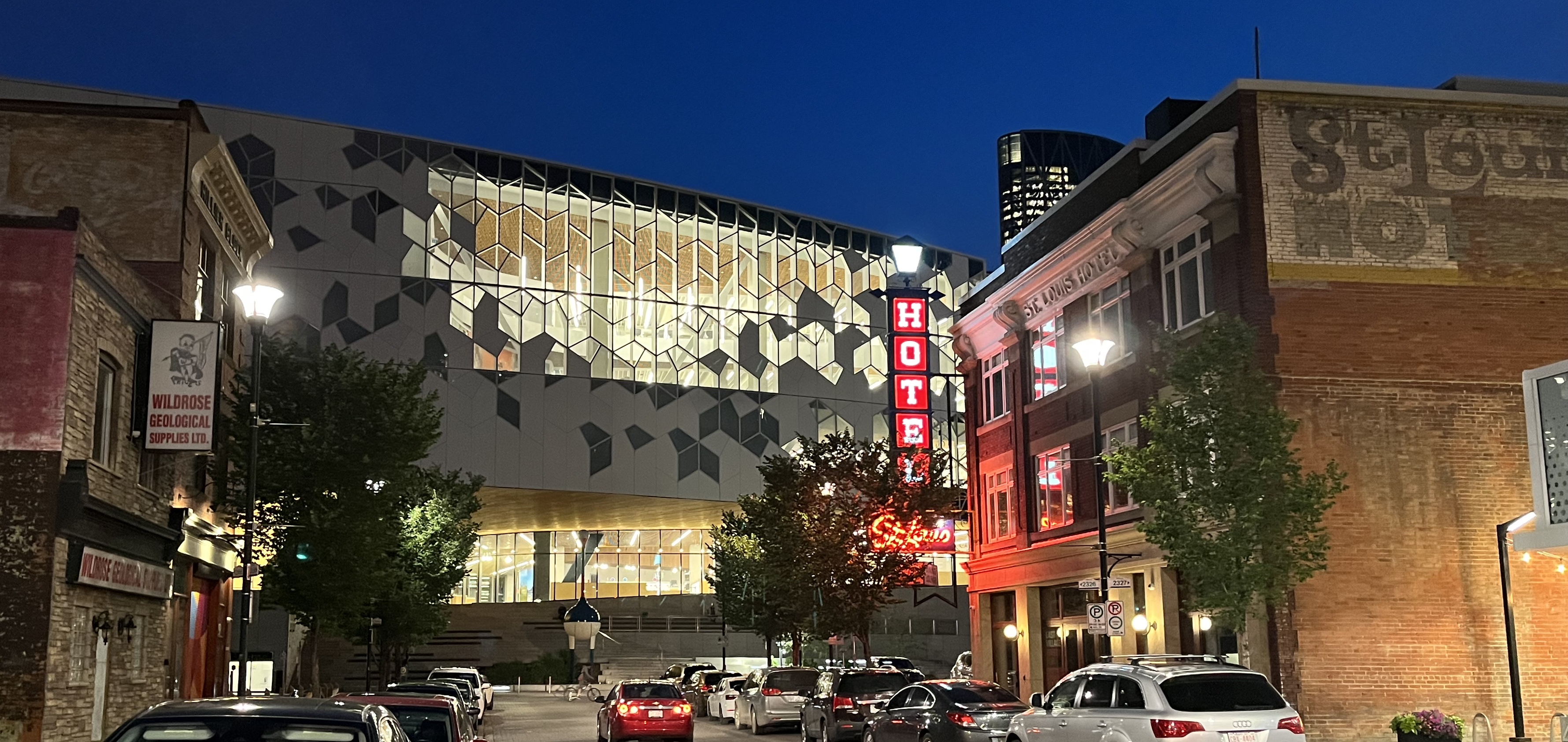
Urban exploration, in this broader sense, becomes something more accessible and meaningful: a way to connect with your surroundings, your community, and your own movement through the city. If you’re looking for a tangible example, explore East Village and then visit nearby Rundle Ruins.
RUNDLE RUINS
One example of this philosophy in action is the sandstone ruins on the Stampede Campus at 12 Ave and 6 St SE.
These sandstone remains are all that’s left of one of Calgary’s first major hospitals, originally built in 1899 and designed in a neo-Romanesque style. It was Calgary’s second general hospital, replacing an earlier two-storey house. It expanded in 1905, with a larger facility constructed in 1908 in the community of Bridgeland.
The building operated as a hospital until it became a residence for seniors in the 1950s. It was demolished in 1973 after a contentious debate on its historical merits.
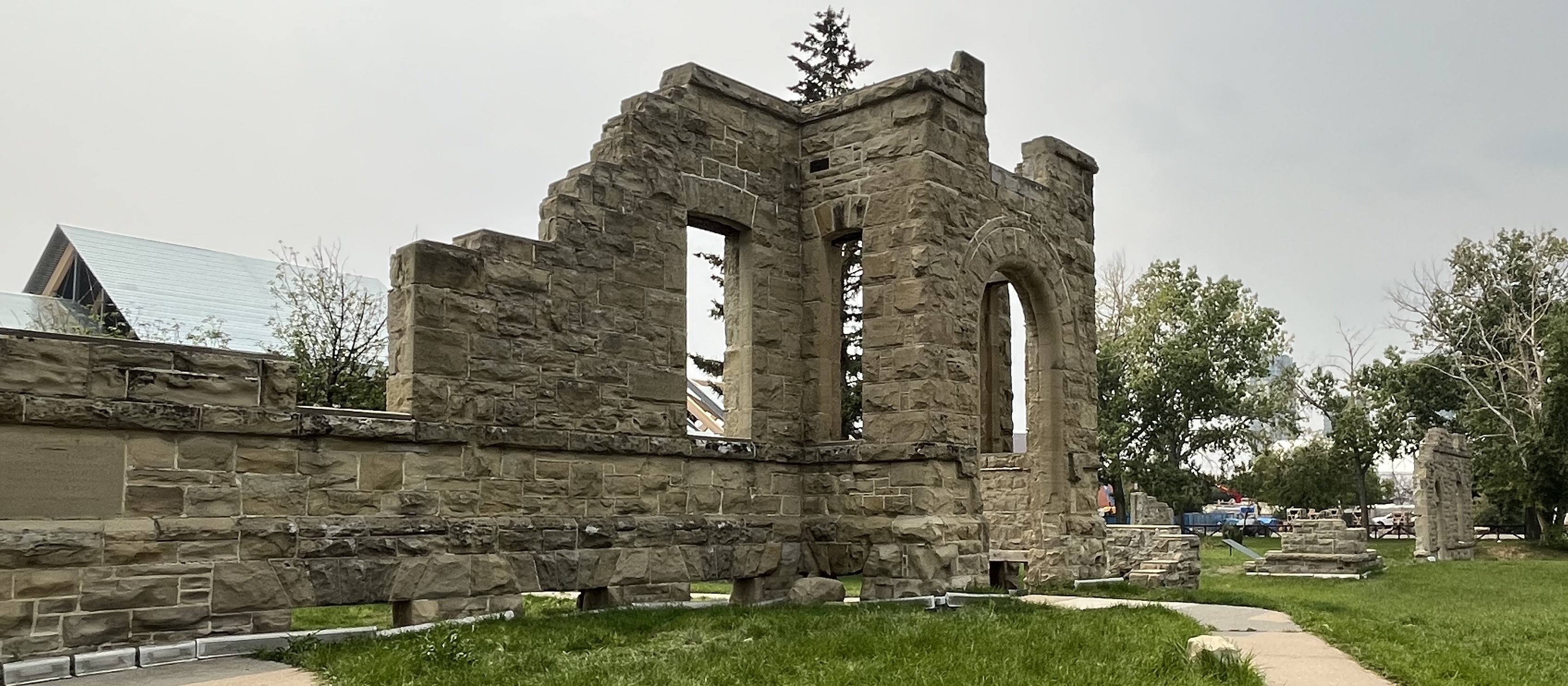
Its story did not end there. The ruins were not abandoned; they were relocated and integrated into Victoria Park by the Alberta Housing Corporation. Dedicated on June 11, 1974, it has become a popular spot for photography.
Today, it serves as a powerful reminder of the importance of heritage preservation. It also demonstrates that preservation doesn’t always mean freezing something in time—it can mean giving it new life. The site is stewarded by the Calgary Stampede and remains open for public use.
Explore more of the city’s Sandstone Legacy and vote for your favourite building. Click here
Future Culture + Entertainment District
The area surrounding the ruins is now part of a larger transformation.
Projects like the SAM Centre, which was recently completed behind the ruins, are helping connect visitors and residents to Alberta’s history and the legacy of the Stampede. At the same time, a long-term vision is underway to reimagine Victoria Park as a vibrant Culture and Entertainment District.
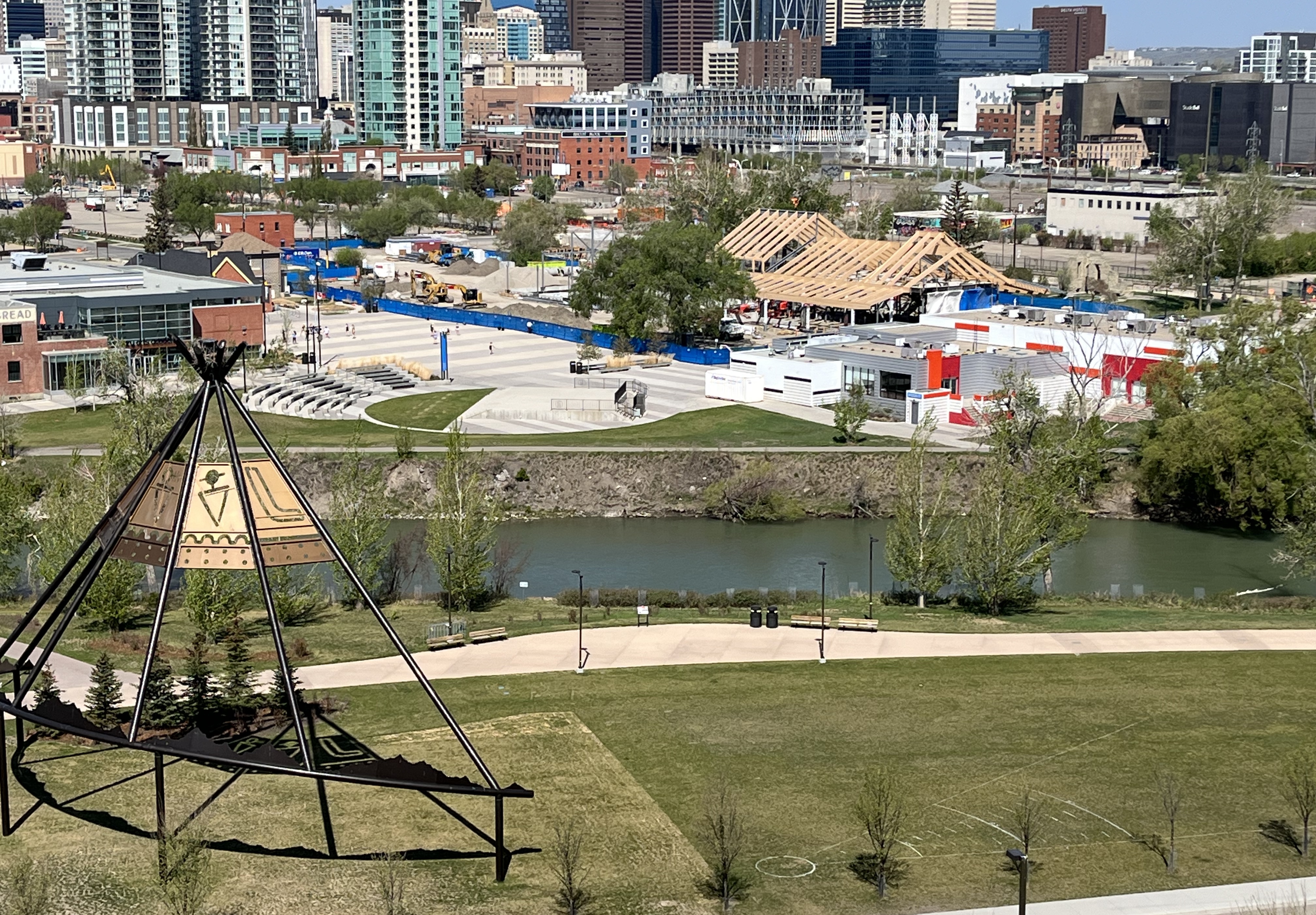
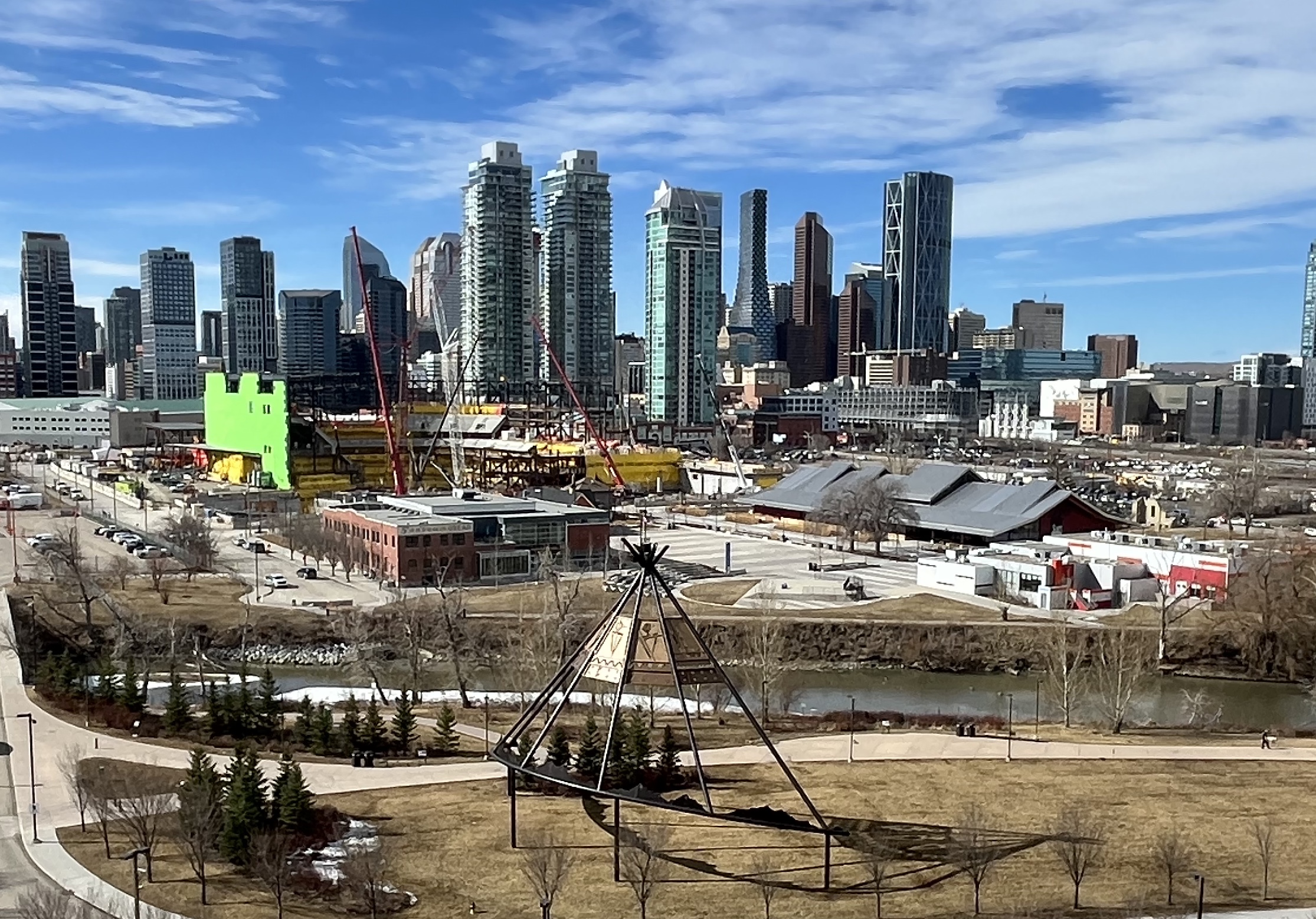
Led by organizations like Calgary Municipal Land Corporation and the Calgary Stampede, this transformation reflects a broader shift in how cities evolve—honouring the past while designing for the future.
East Victoria Park is undergoing a major transformation, guided by an ambitious 20-year master plan. This vision—to transform Victoria Park into Calgary’s Culture + Entertainment District—was unveiled by CMLC and the Calgary Stampede in 2018 as a space connected to its past to bring people together.
The City is transforming the site at 14th Avenue and 5th Street S.E. for Scotia Place. You can follow the progress on their website.
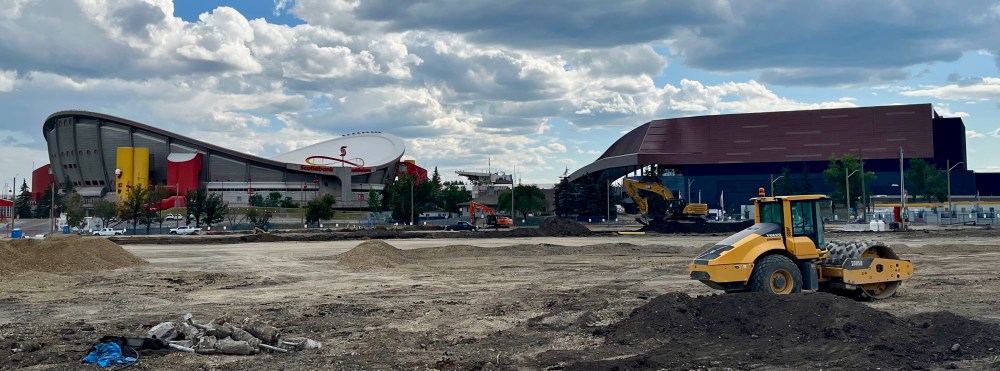
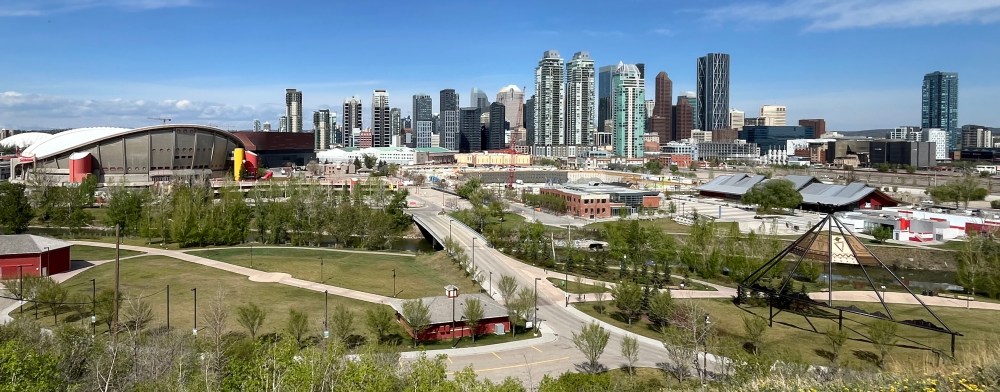
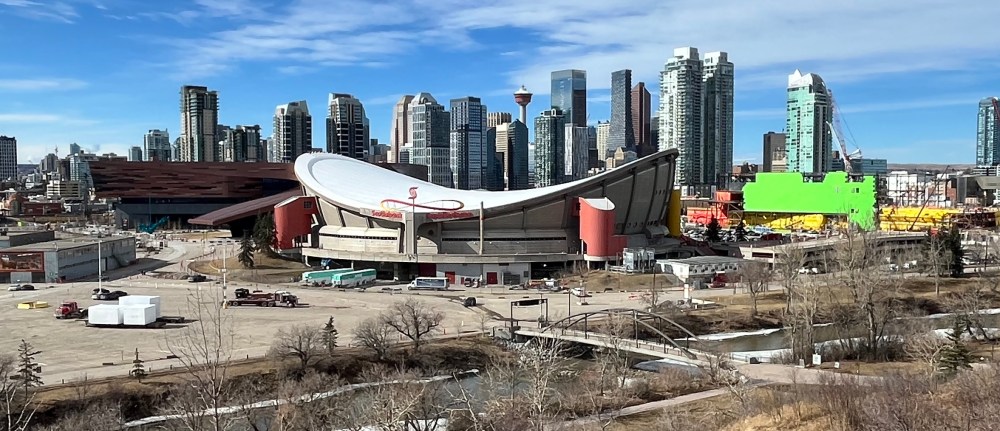
The iconic Saddledome will soon be replaced by a new venue as part of this transformation. Learn more in our guide: Saddledome and the evolution of Stampede Park. Check out the Scotia Place Experience—Alberta’s newest major sports and entertainment venue, set to open in Fall 2027
It will play a defining role in transforming Calgary’s downtown, the emerging Culture & Entertainment District and the nearby spaces. Together, these projects highlight how urban spaces are never static; they are constantly being redefined by the people who use them.
NEXT STEPS – WHERE TO GO FROM HERE
The Rundle Ruins are just one stop along a larger urban journey.
A 9 km route along the Elbow River connects a series of meaningful destinations, public spaces, historic sites, and cultural landmarks that reflect Calgary’s relationship to land, heritage, and community. Whether you choose to walk, run, or cycle, the experience offers a deeper way to engage with the city. Explore our guide at Mohkinstsis – Where Calgary Comes Together.
From here, you can also explore the RiverWalk to Centre Street Bridge and Inglewood – Urban Sanctuary. Click on locations on the map to learn about other great places to explore in Calgary.
Urban exploration doesn’t require going off-limits or underground. It can start right outside your door. All it takes is curiosity—and a willingness to see the city differently. To explore a city is to engage with it: to walk its streets, ride its pathways, and rediscover familiar places with a fresh perspective.
 The Urban Explorer