
The Glenmore Reservoir loop is approximately 15 km. It features a network of trails and pathways for running, urban hikes, walks or wheels.
Nestled within Calgary’s city limits is this example of nature interacting with a man-made environment. It connects many destinations for leisure with opportunities for outdoor pursuits and a park to celebrate our shared heritage. The Glenmore Parks and Weaselhead Flats are also among the most biodiverse areas within the city.
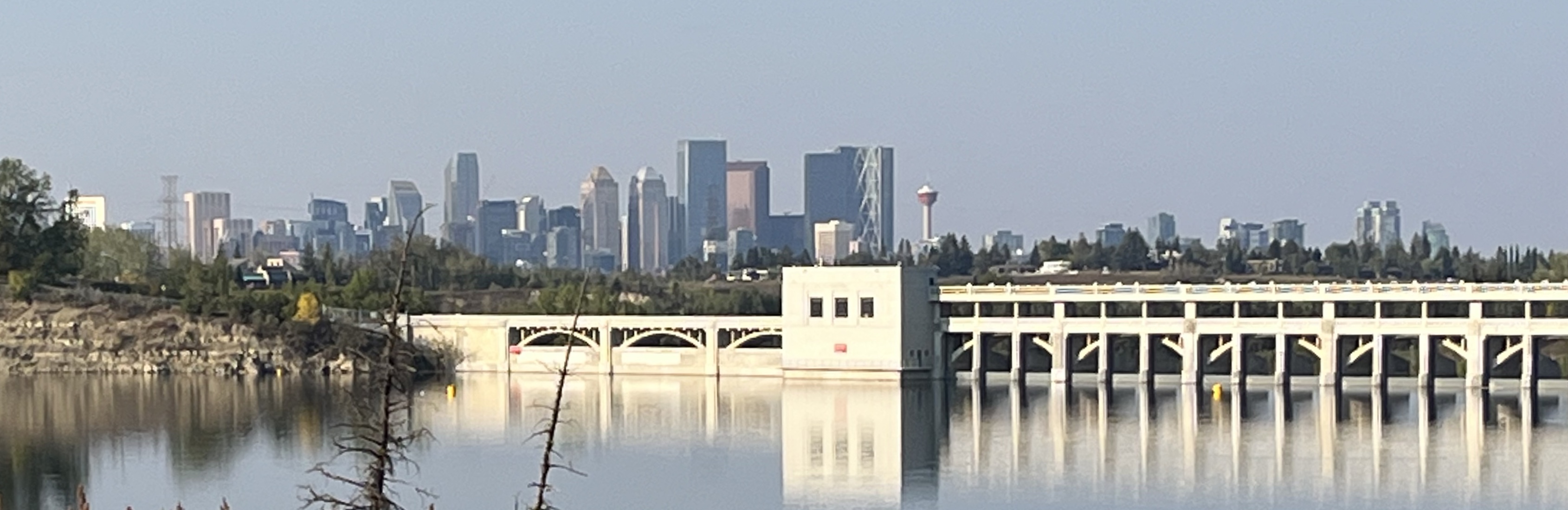
The reservoir was formed after the completion of the Glenmore Dam on the Elbow River in 1932. Upgrades were completed in 2020 to extend the longevity of the dam and improve water supply resiliency. This work increased the storage capacity by approximately 10 billion litres.
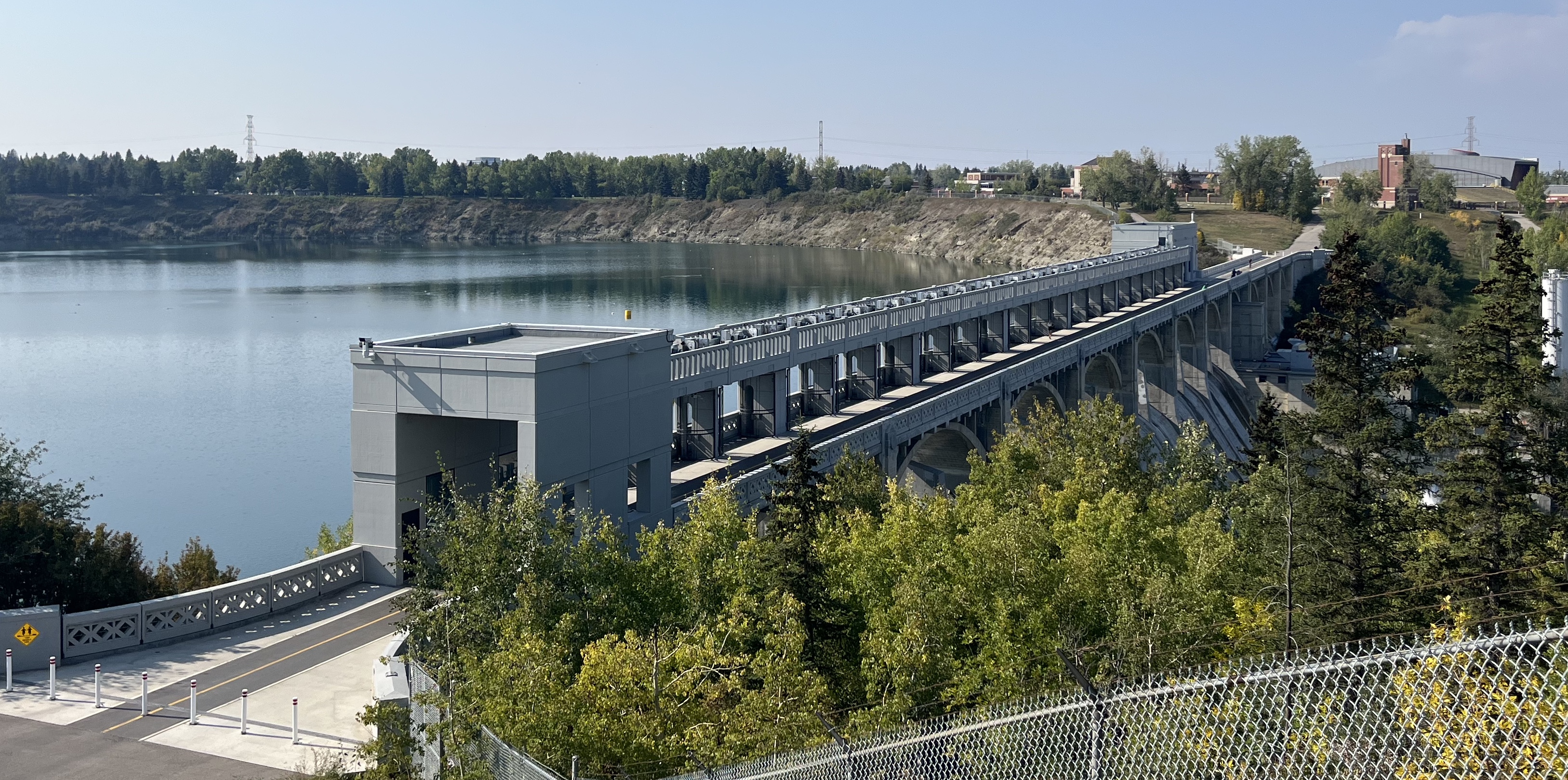
An added advantage was the improved recreational experience for pathway users. The widening of the bridge deck allowed for dedicated lanes for cyclists and pedestrians to cross the dam.
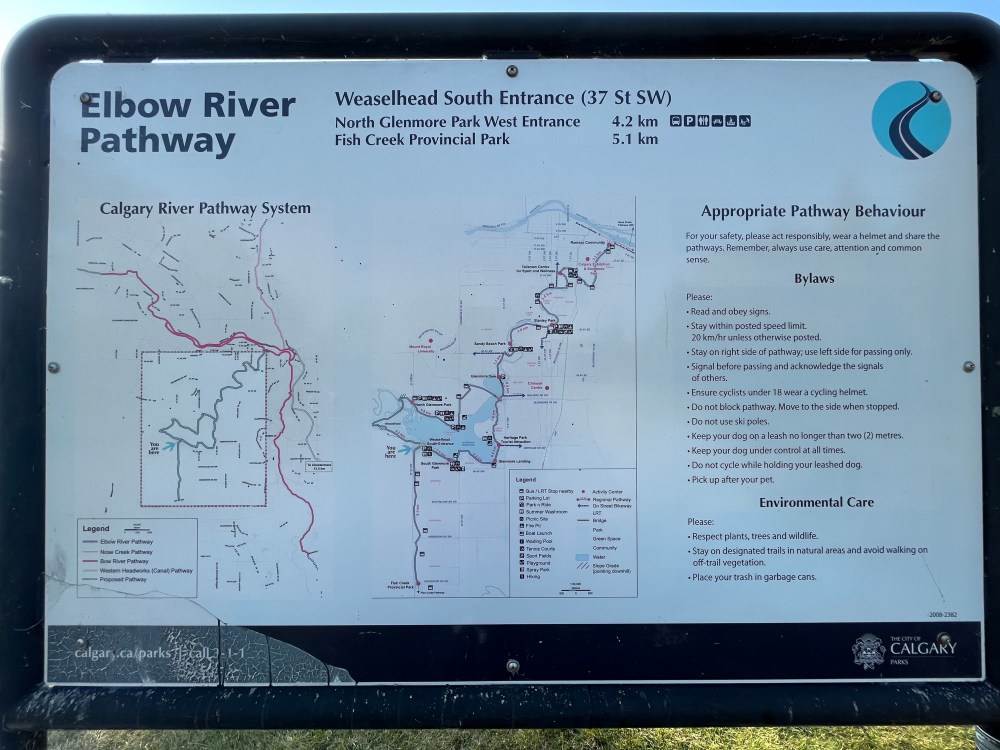
This new pathway enables users to circle the entire reservoir. It opens a spectacular view and connectivity to the rest of the Elbow River pathway.
Glenmore Parks
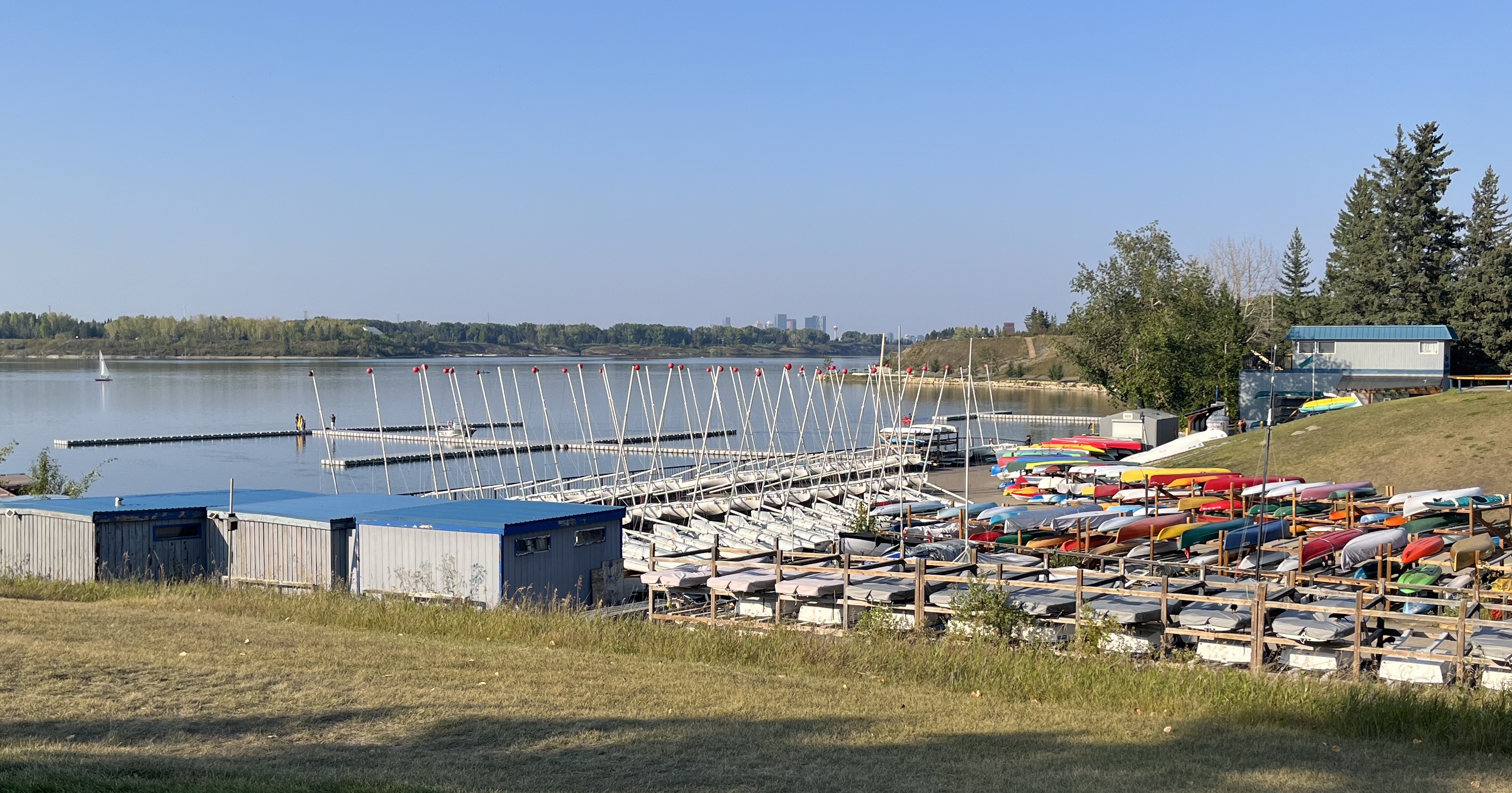
North and South Glenmore Parks offer water access, tennis courts, and playgrounds. The north side has more spaces for picnics and BBQs. It also features docks and a boat launch ramp. These are available for public access at the Calgary Canoe Club and Calgary Rowing Club (hand launch only).
7305 Crowchild Trail S.W. (North Glenmore Park, 24 St. S.W. off Crowchild Trail).

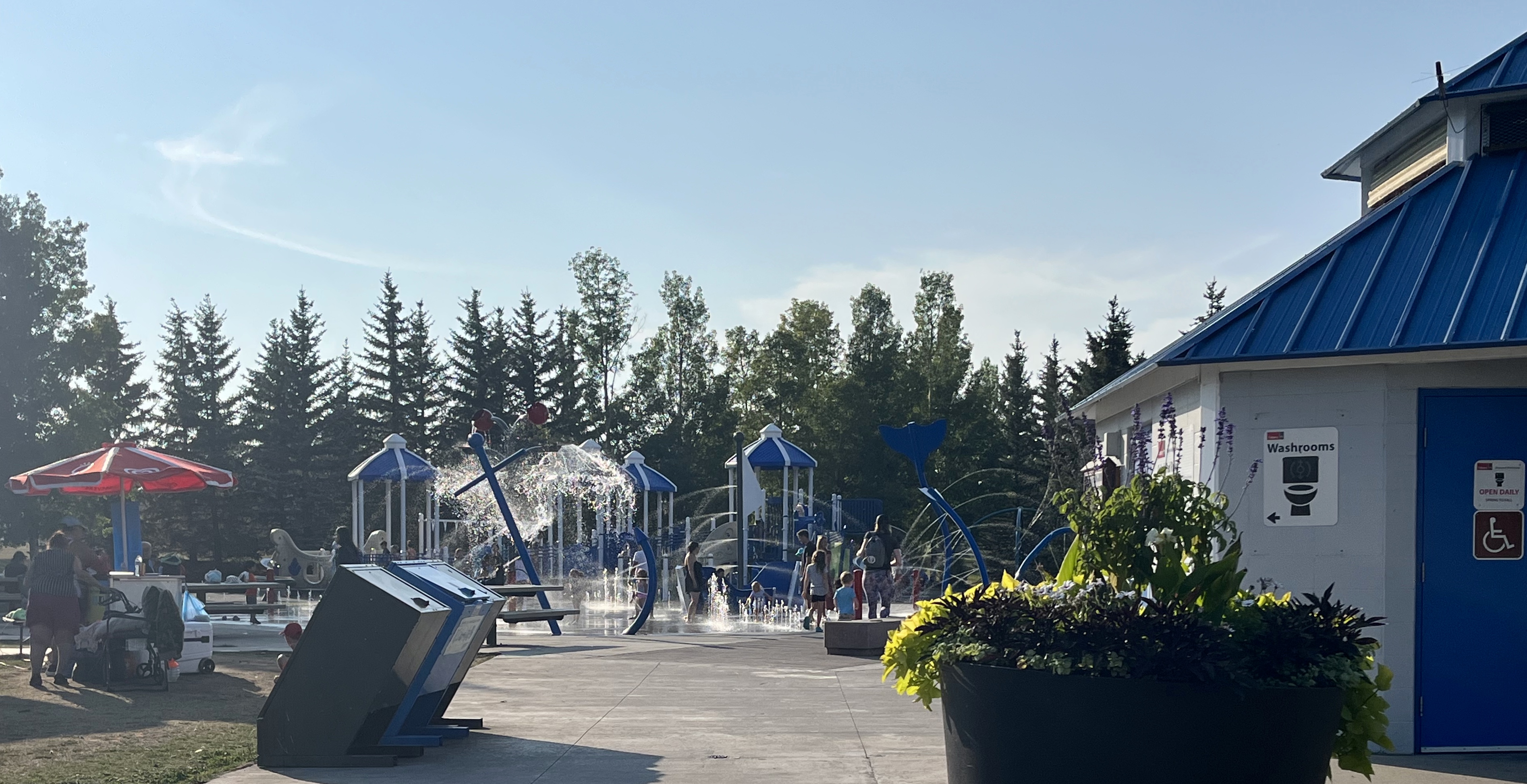
South Glenmore Park is 347 hectares. It features a pump track and a splash park. There is a small community multi-use stage with outdoor instruments at Quinterra Legacy Garden Project, which opened in 2020.

It also features docks and a boat launch ramp, accessible to the public at Glenmore Sailing Club. The club offers education, recreation, social events and racing for people of all ages and abilities.
Glenmore Sailing School – 8415 24 Street S.W. (South Glenmore Park – 90 Ave. and 24 St. S.W.)

Weaselhead Flats
The Weaselhead Flats natural environment is a Special Protection Park that connects the parks. This natural area has large stands of urban forest, diverse plants, and wildlife. It is also the only example of a delta in the city. In 2022, The Urban Explorer called this area the Best Trail for Fall.

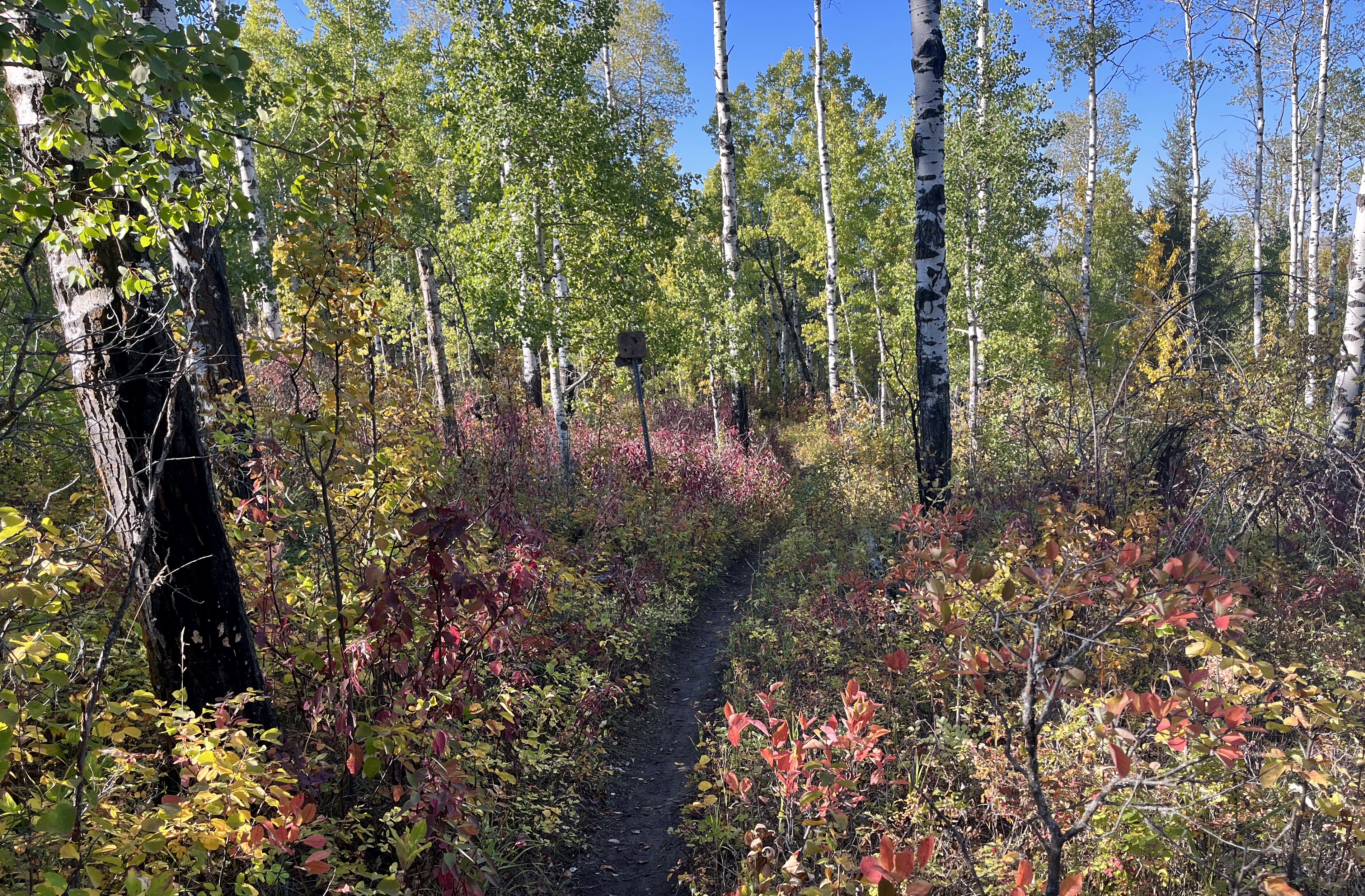
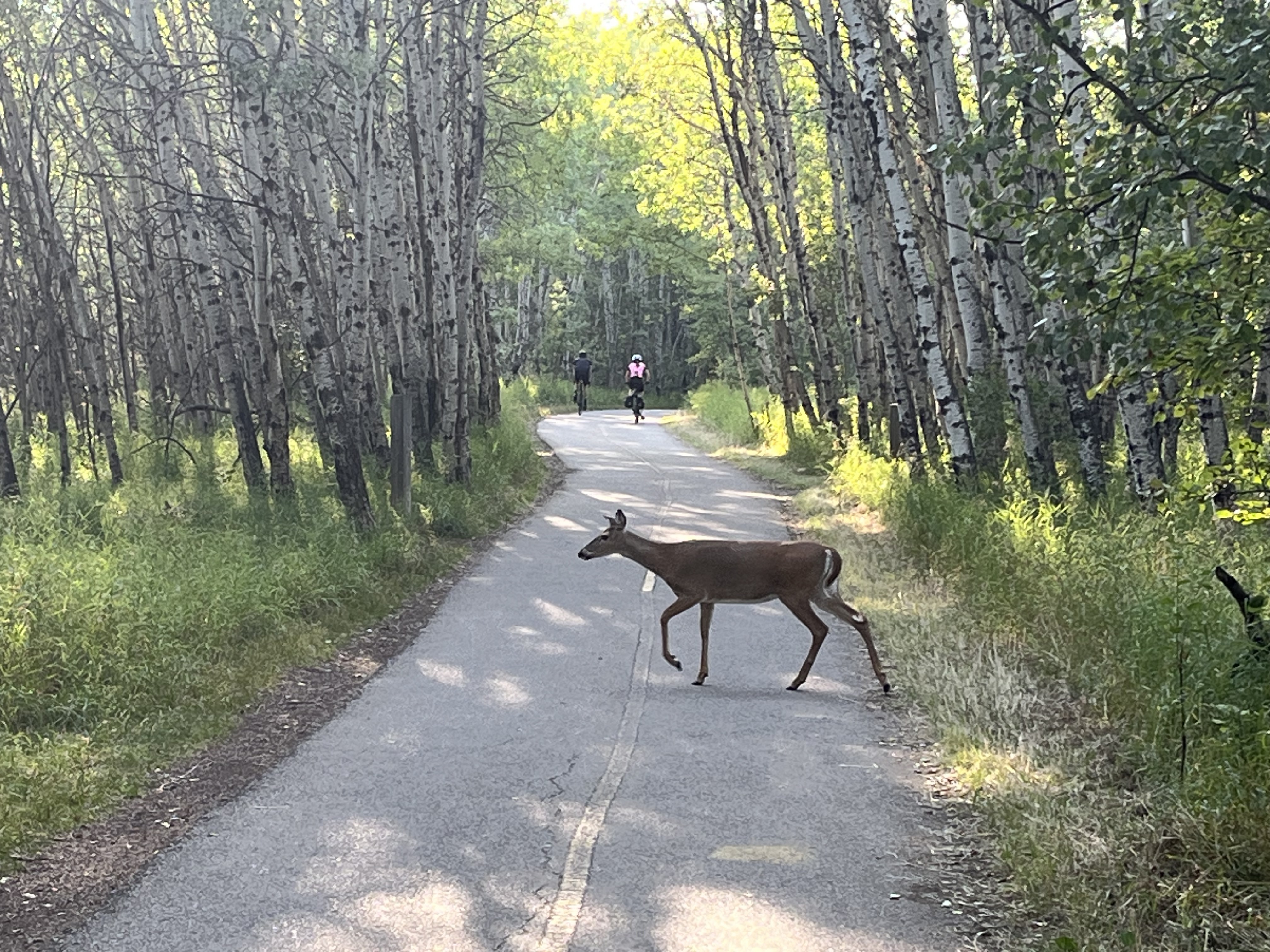

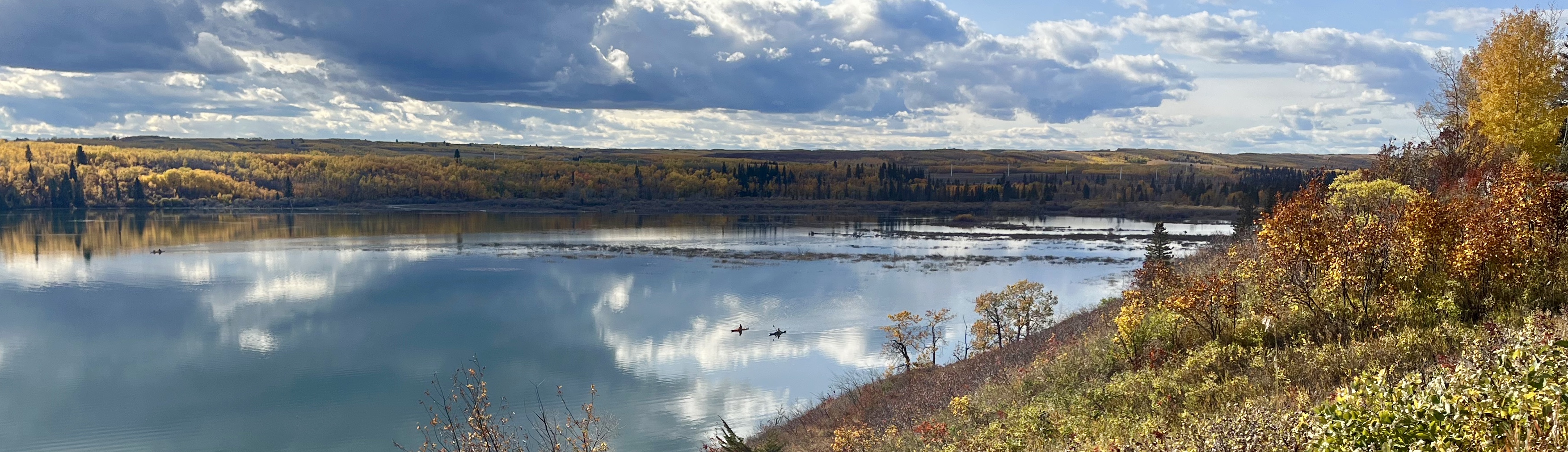
Along with trails and pathways, this is a great place for birding, canoeing and kayaking.
Water Enthusiasts
The Glenmore Reservoir is a beckon for water enthusiasts in a landlocked city. It is the only facility in Calgary for sailing, disabled sailing, dragon boat racing, rowing, canoeing and kayaking.
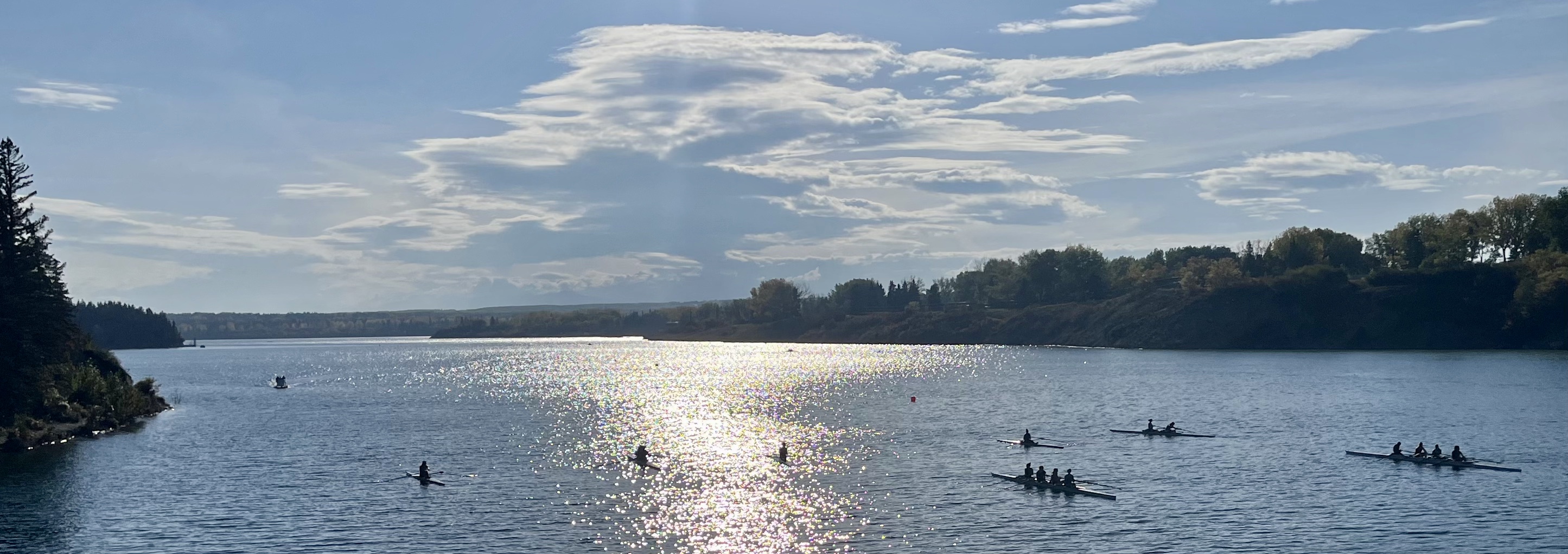
Nearly half of Calgary’s water supply is drawn from the Glenmore Reservoir. The Glenmore Water Treatment Plant is one of two plants that supplies over 1.3 million Calgarians and surrounding communities with high-quality drinking water.
The source water is susceptible to contaminants. This makes treatment more difficult and costly. Limiting recreational use to reduce pollution is critical. The following are prohibited:
- No drinking of alcohol.
- No power motors
- No inflatable crafts or boats.
- No paddle boards.
- No swimming.
- No fishing from docks or ramps. The area is home to a diverse population that includes rainbow trout, brown trout, and pike. Fishing is permitted in boats and along the shore.
- No pets on shore or in water or in water crafts.
- No launching boats from undesignated shore areas. Approved life jackets or self-inflating personal floatation devices must always be worn while on the water.
The last publically accessible dock and boat launch is at Heritage Park. 8003 14 St. S.W. (West of 14 St. at Heritage Drive S.W.)
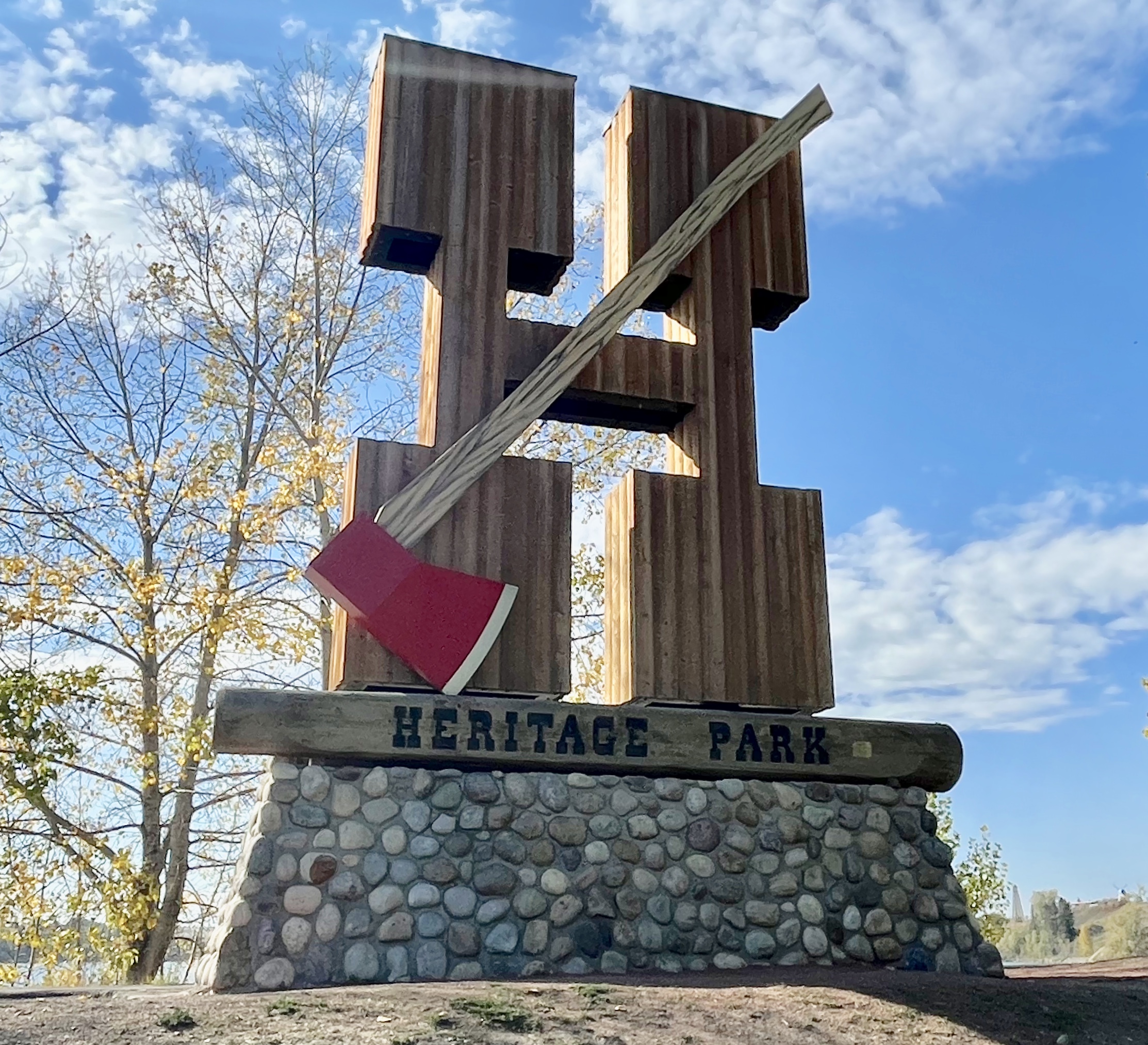

Heritage Park
Heritage Park is situated on a 51-hectare (127-acre) peninsula of parkland surrounded on three sides by the Glenmore Reservoir. It opened its gates in 1964. The park was developed to preserve our shared history and tell the stories of those who came before us.

Explore the historical village, sail the iconic S.S. Moyie, a paddle-wheeler ship built in 1898, or ride a steam train. Over 180 exhibits are inside the park.

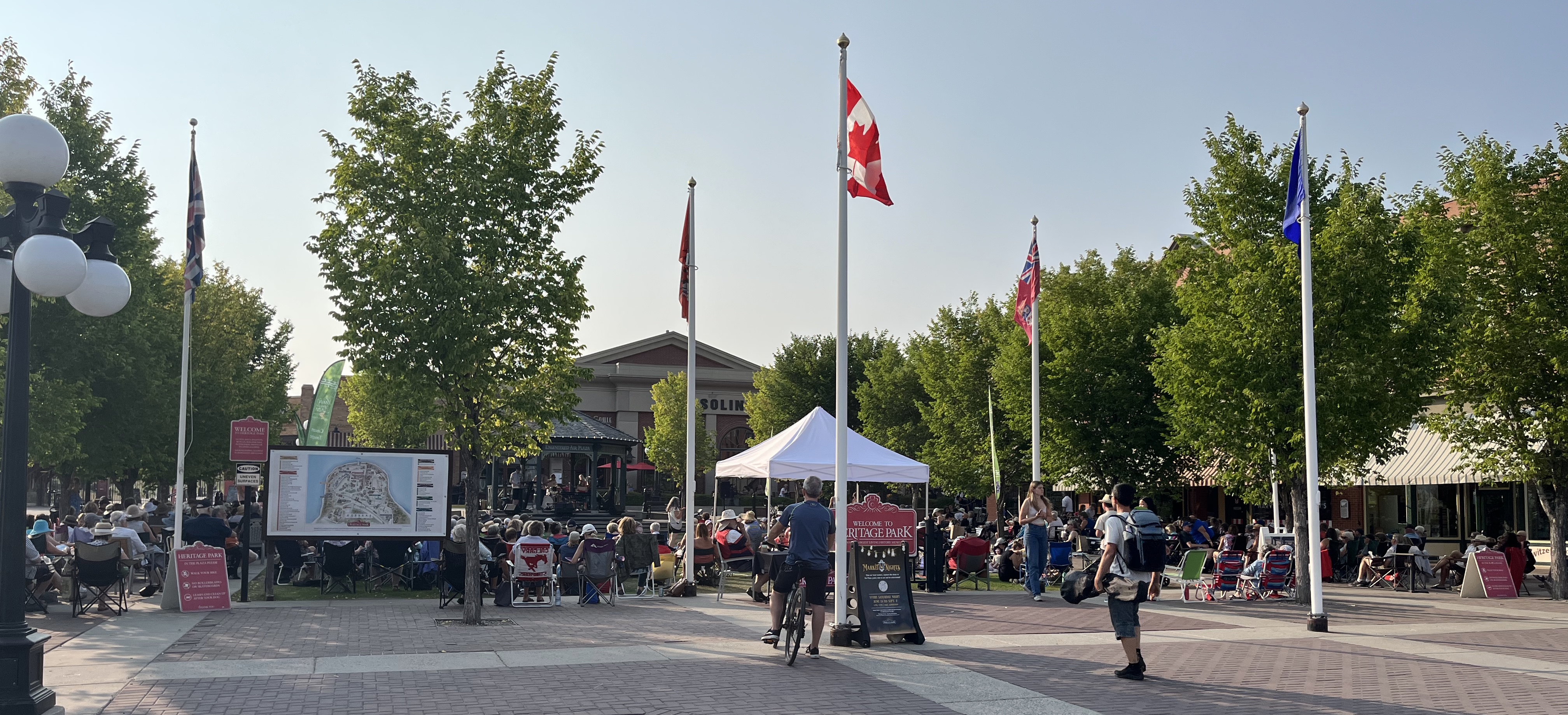
Outside the gates is a public plaza, perfect for a pit stop to fuel up. The plaza hosts free music in the park throughout the summer. You can also explore Gasoline Alley, Mercantile Block, or the train station.
Train Station
The first train arrived in Calgary on August 13, 1883. It had a transformative impact on the emergence of an urban centre.
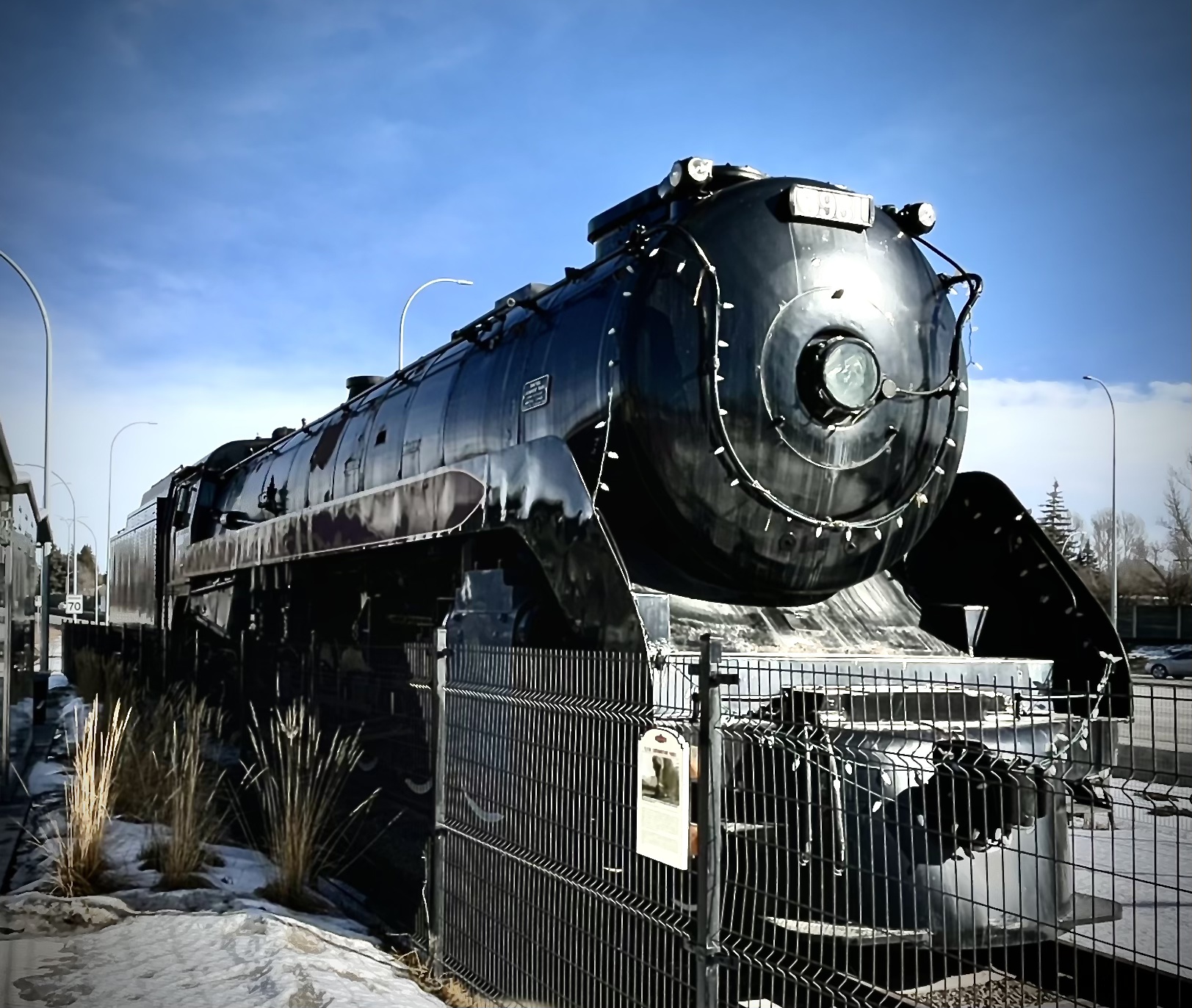
The first station, dubbed the Depot, was a modest wood structure. Two more impressive sandstone buildings, joined by a continuous canopy, were constructed in 1886. A reproduction based on these buildings stands outside the gates of Heritage Park.
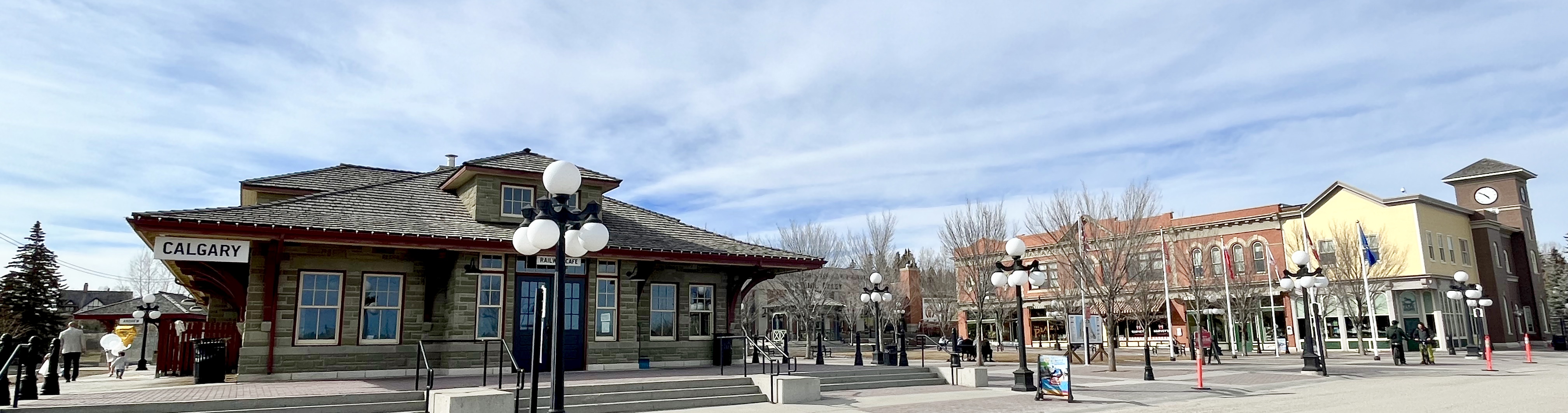
By 1910, it was clear that this gateway to the West needed an even larger station. The CPR decided to repurpose the 9th Avenue Depot and carefully dismantled it. They modified it and reconstructed the west half in High River, with the other half in Claresholm.
Opening as independent train stations in 1912, these architectural rarities helped with facilitating the growth of Western Canada.
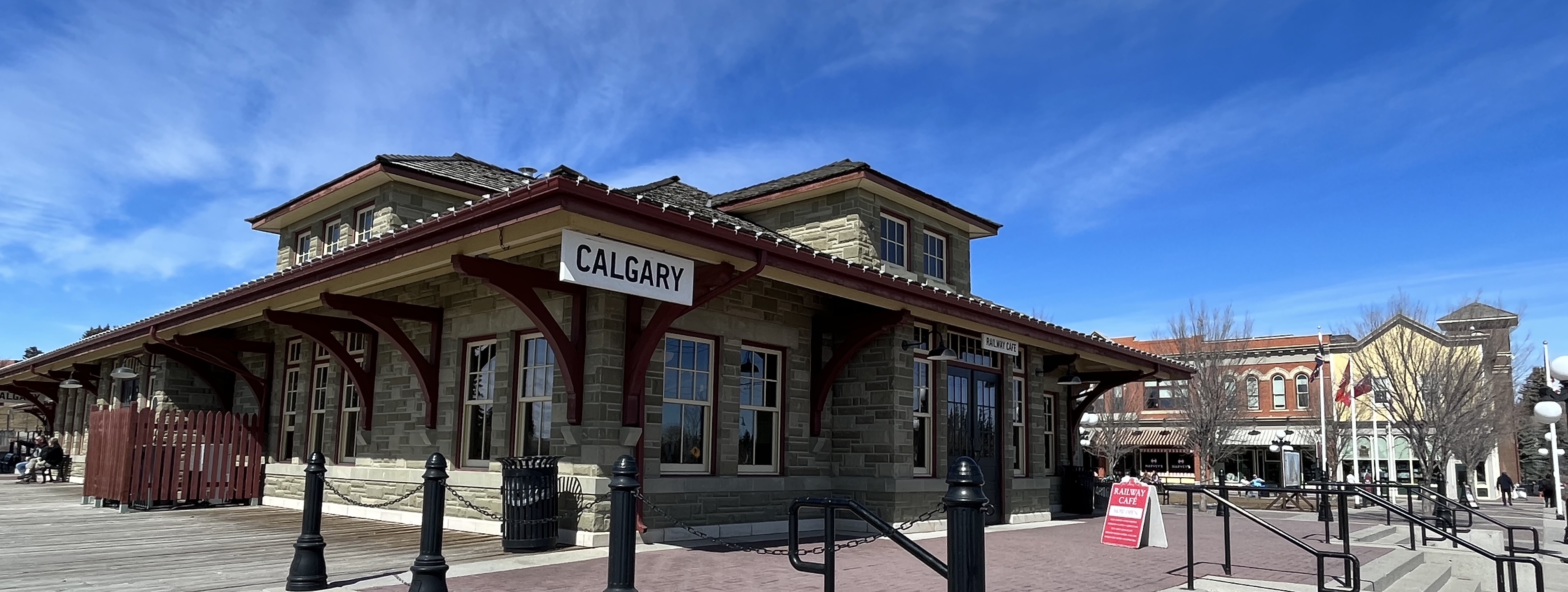
Stations on the prairie were usually template designs made of wood. These unique structures exemplify the local connection to the land. The stone was abundant in Calgary and widely used after the fire of 1886 destroyed the earlier wood building stock.
Visit Emergent-Towers or Behind Stephen Avenue to explore spaces that reflect the railroad’s impact on the city. They showcase the Sandstone Building Legacy that extends beyond the city limits. These stations continued to operate until they closed in 1965 and 1971 in High River. It reopened as the Museum of the Highwood.
CLICK HERE to VOTE for the BEST Sandstone Building
DREAM BIG
Since the first explorers settled in this area, they have followed their dreams. This story is told in Heritage Park. It is demonstrated by projects like the Glenmore Dam. These projects build the infrastructure necessary to sustain an urban centre.
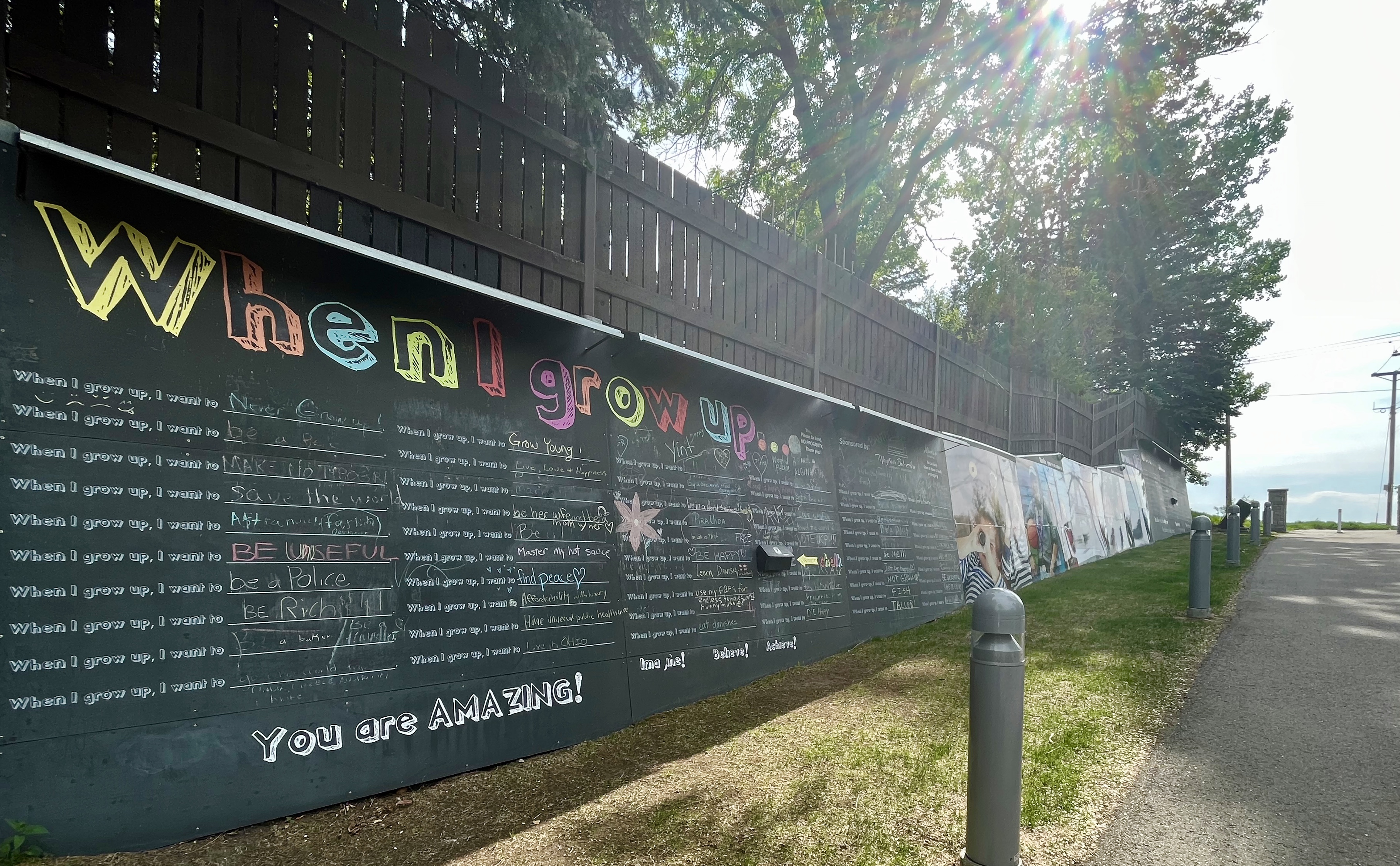
Located by the dam, on the access path to the communities of Mayfair and Bayview. You or your little explorers can make your mark and share your dreams with the rest of the community.

Next steps – where to go from here
For an activity inclusive of our furry friends, head to the Elbow River side of the dam. Enjoy A Dog-Friendly Urban Hike or explore the Elbow River pathway.
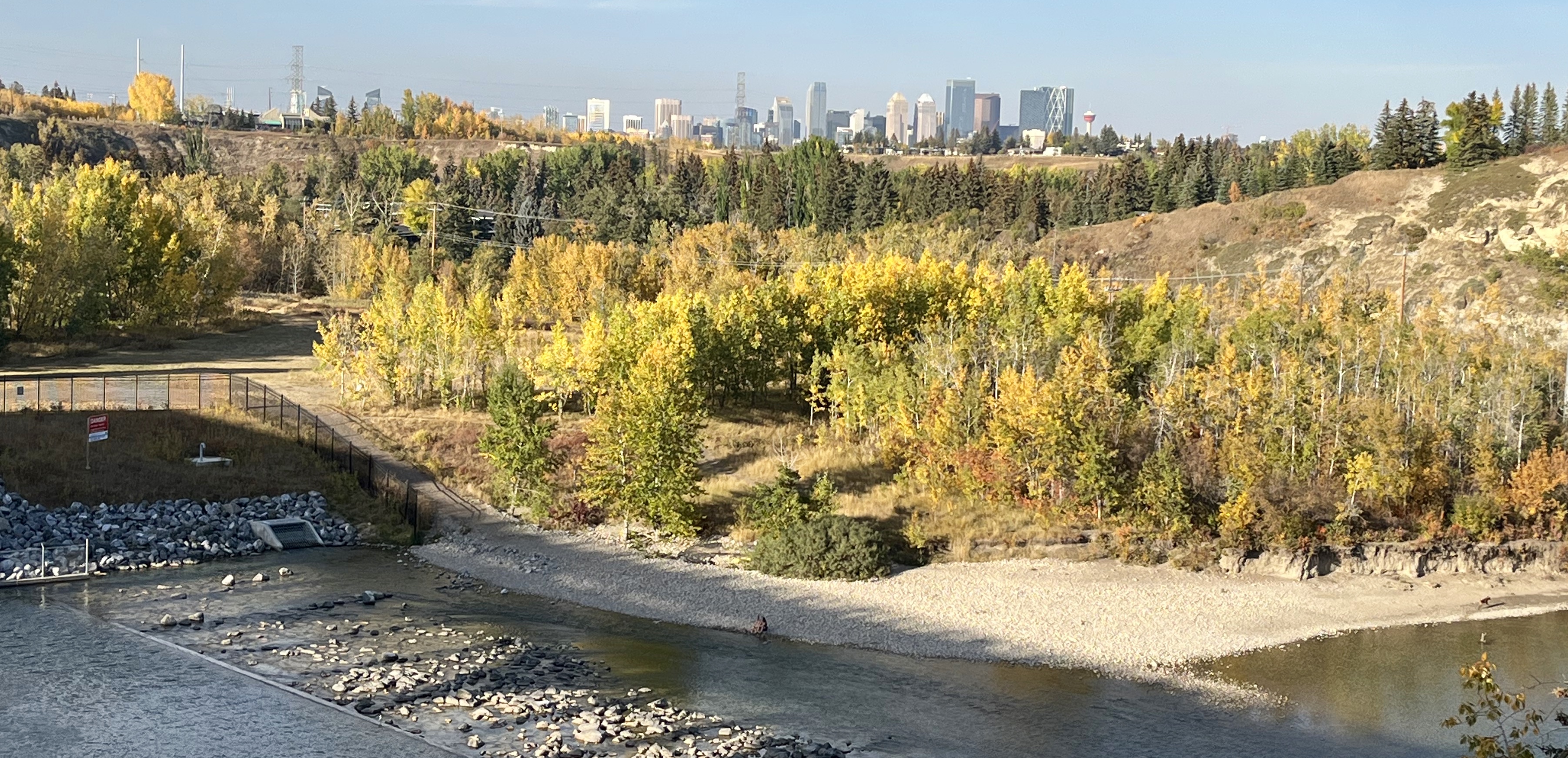
This 9 km journey follows the Elbow to its confluence with the Bow River. It demonstrates that cultures often develop through a connection to the land. Long before settlers established a community here, Indigenous peoples gathered and held ceremonies. It was known as Mohkinstsis or “Elbow” in the Blackfoot language.
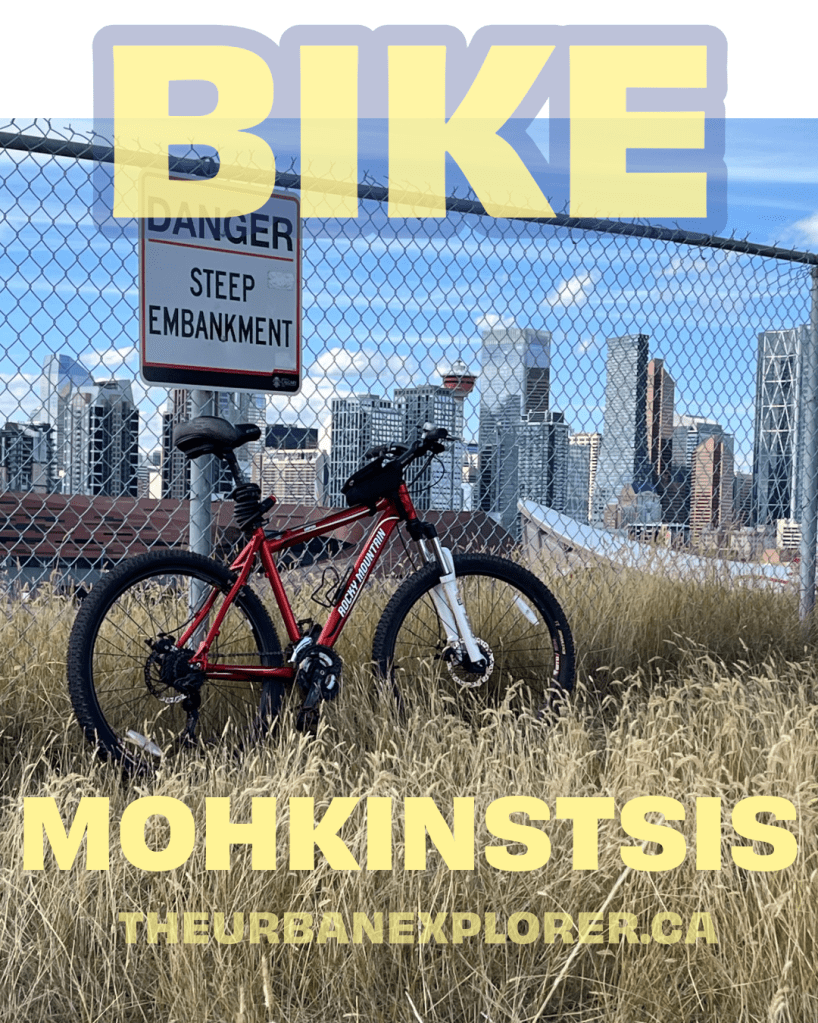
The legacy of the Elbow River as a place for the community to gather continues today. Explore the city’s parks, history and future Biking Mohkinstsis – Where Calgary Comes Together.
Did you know the Mawson Plan identified riverbank protection as a priority for Calgarians in 1914?
 The Urban Explorer