
In an era of rapid urban development, saving old houses is about more than just preserving physical structures. It is about safeguarding our collective heritage, celebrating architectural diversity, and fostering sustainable practices. There is intrinsic value in saving these historical structures that go beyond sentimentality.
Environmental Considerations
Preserving old houses is an environmentally responsible choice. Retrofitting and renovating existing structures is often more sustainable than demolishing and rebuilding since the greenest building is the one that is already there. Even if they reach net zero energy, all buildings start with a carbon deficit. Environmental costs of building replacement include:
- Embodied Energy: All non-renewable energy consumed to acquire and transport materials, construct, maintain, operate, demolish and dispose of an existing building and then build a new one measured in gigajoules (Gj).
- Embodied Carbon: The monetized value of a building’s carbon footprint measured in tonnes of greenhouse gas (GHG).
- Landfill cost of demolition materials.
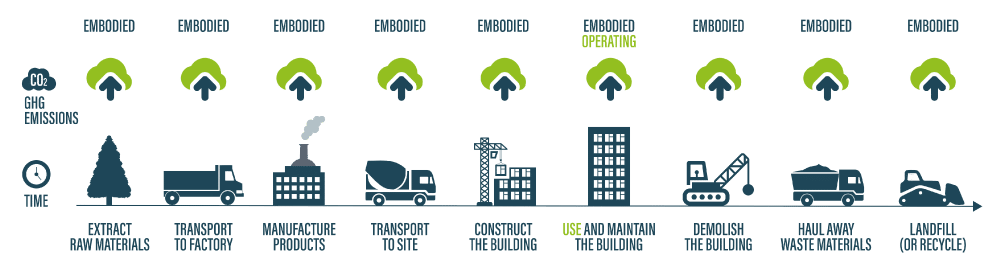
Reuse is climate action; deconstruction is waste reduction.
If Calgary retained the identified pre-1945 residential heritage assets, 150,000 metric tonnes of GHG emissions would be saved in wood alone. The City of Vancouver passed a Green Demolition bylaw in 2014, requiring three-quarters of materials from homes built before 1950 to be recycled. A city report concluded that the bylaw was responsible for stopping 40,000 tons of construction waste from ending up at the landfill. Portland is the leader, requiring deconstruction for all homes older than 1940 and recovering more than 300 million pounds of material for reuse since 2014.
Additionally, old houses are often constructed with durable materials like solid old forest wood and brick, which can have a longer lifespan than some modern construction materials. Retrofitting them with energy-efficient systems can significantly reduce their environmental impact.
CULTURAL AND HISTORICAL SIGNIFICANCE
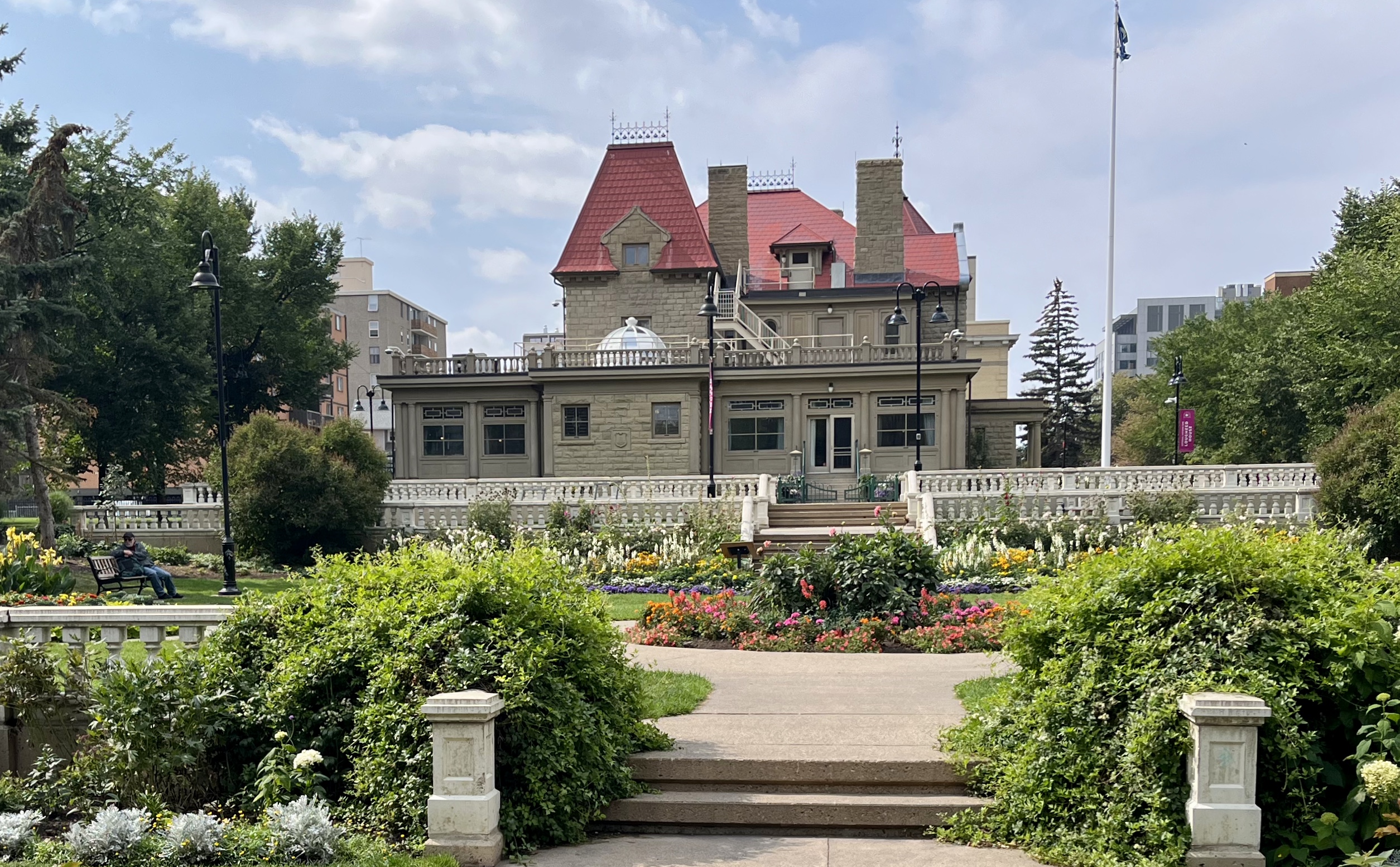
Old houses are irreplaceable, often having unique features and details that are difficult, if not impossible, to replicate in modern construction, making them invaluable artifacts of our cultural heritage.
Old houses serve as tangible links to our cultural and historical roots, offering a glimpse into the architectural styles, craftsmanship, and lifestyles of the past.
ARCHITECTURAL DIVERSITY AND AESTHETICS
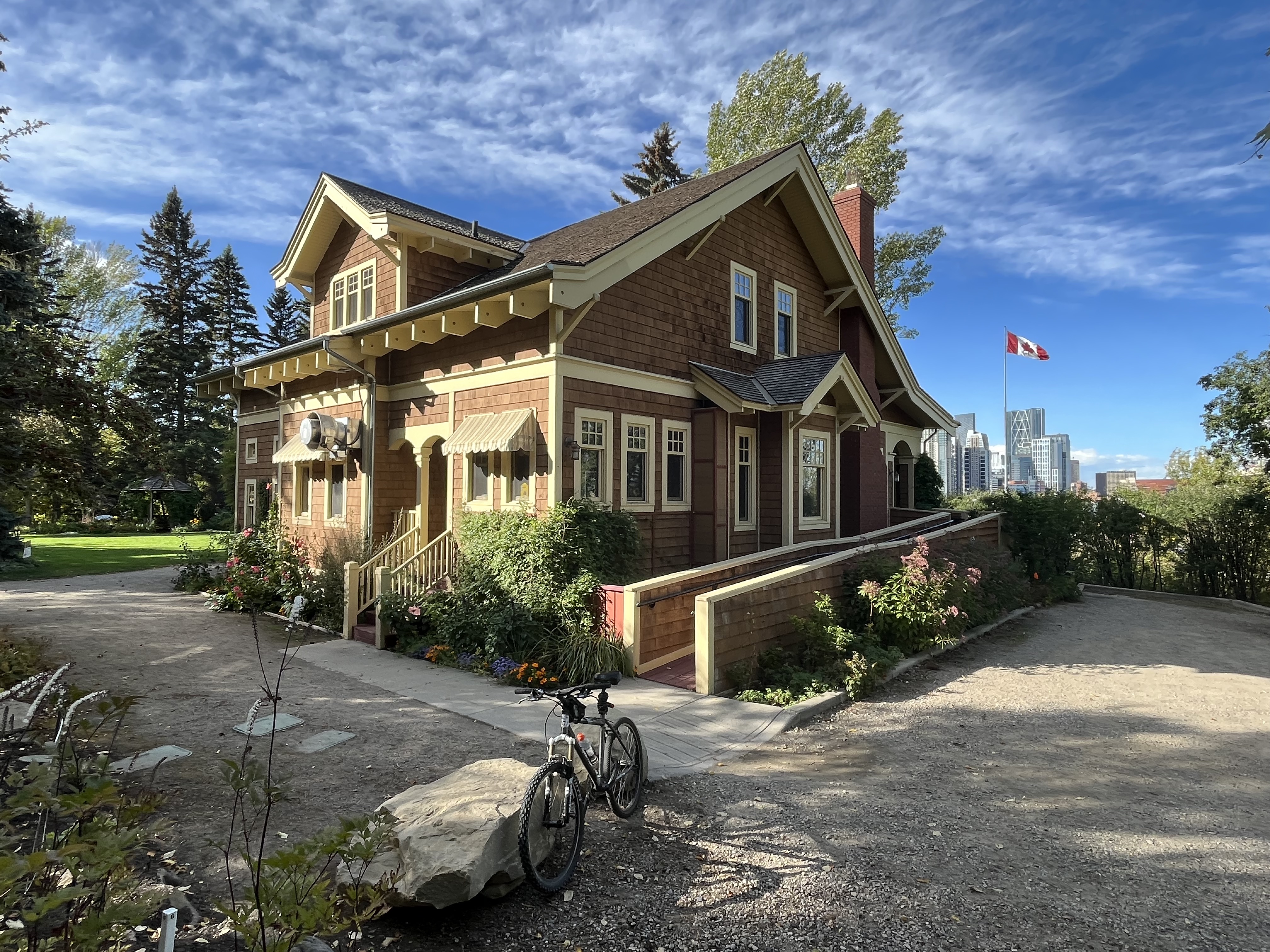
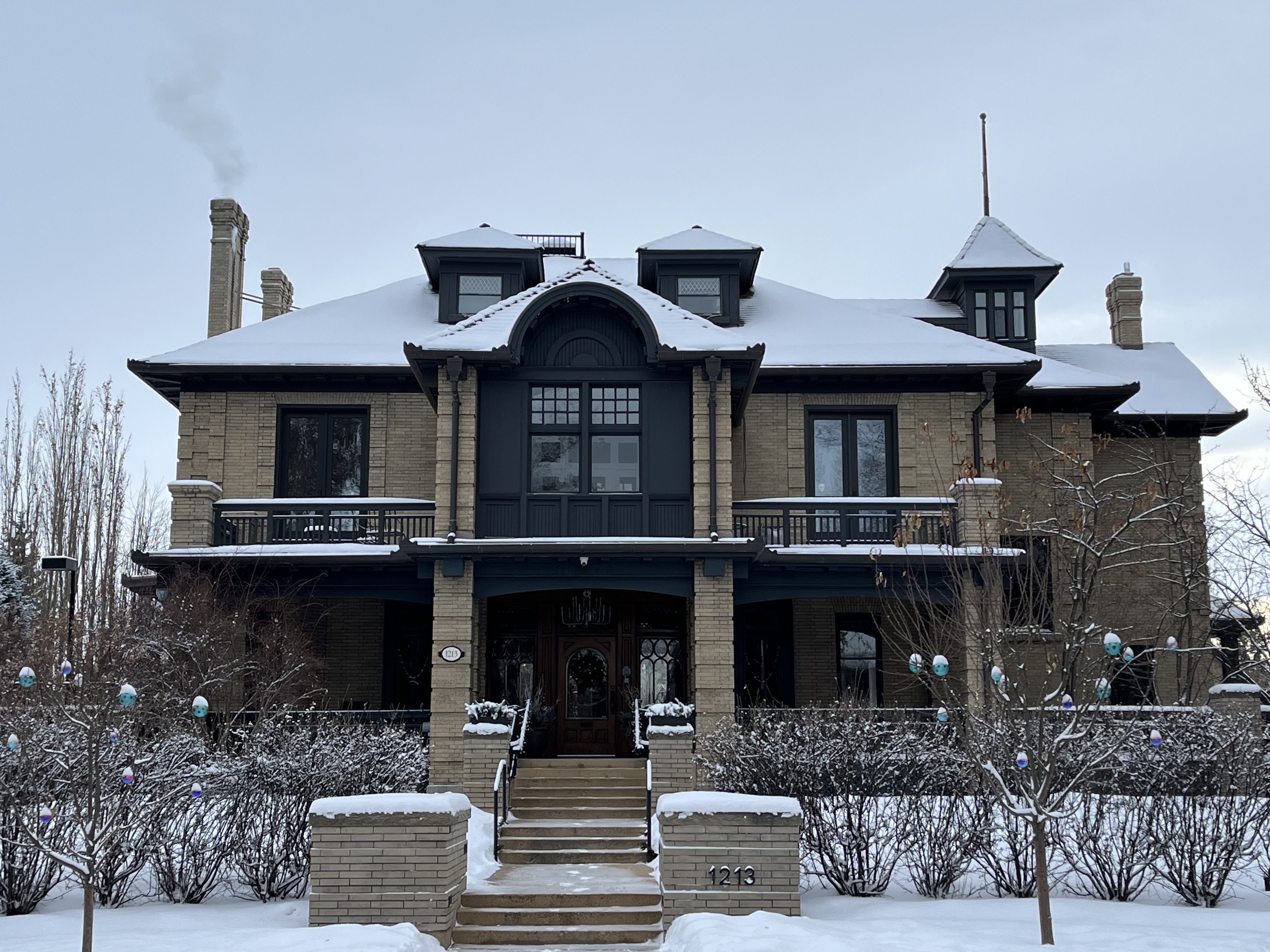
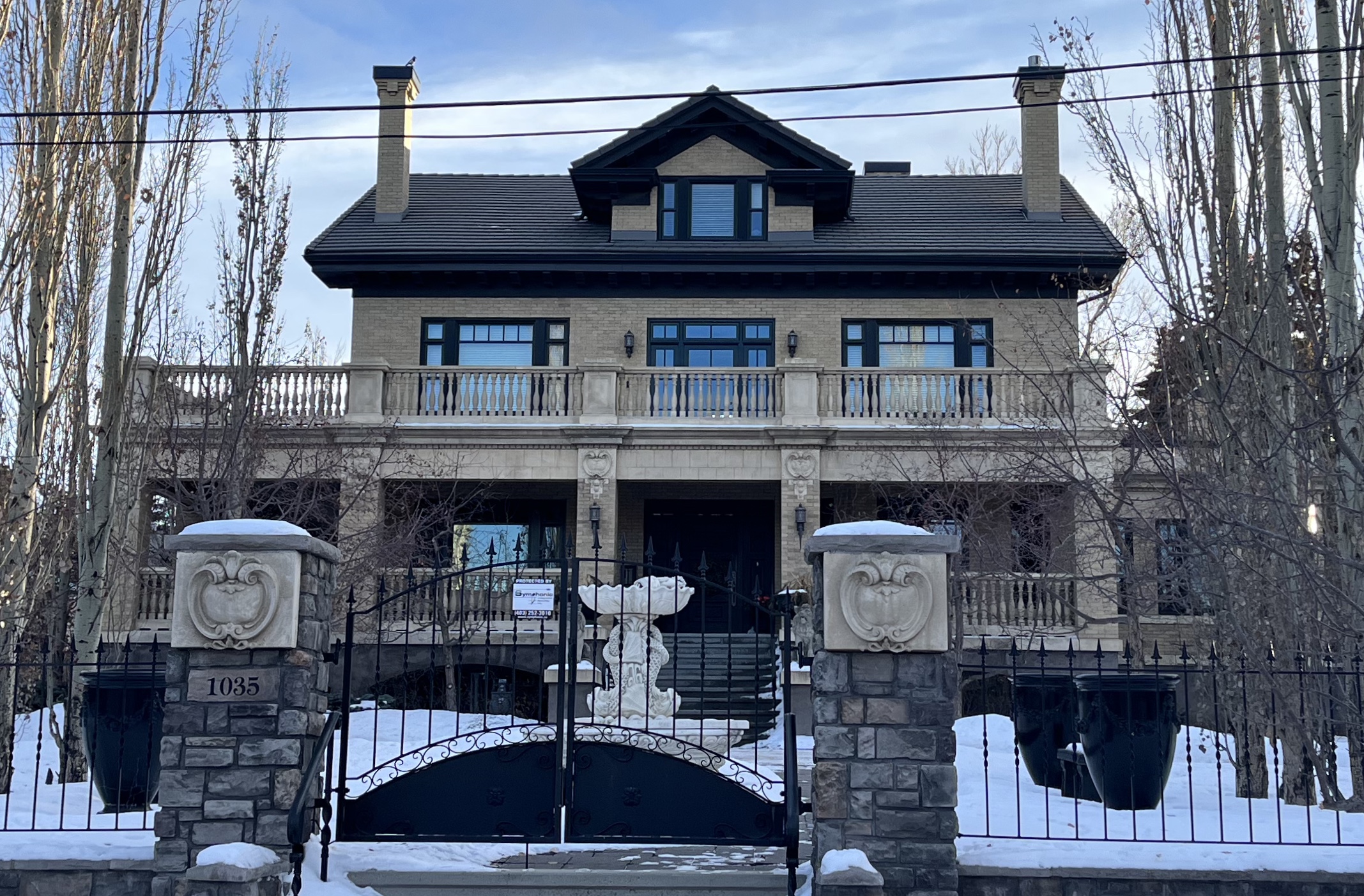
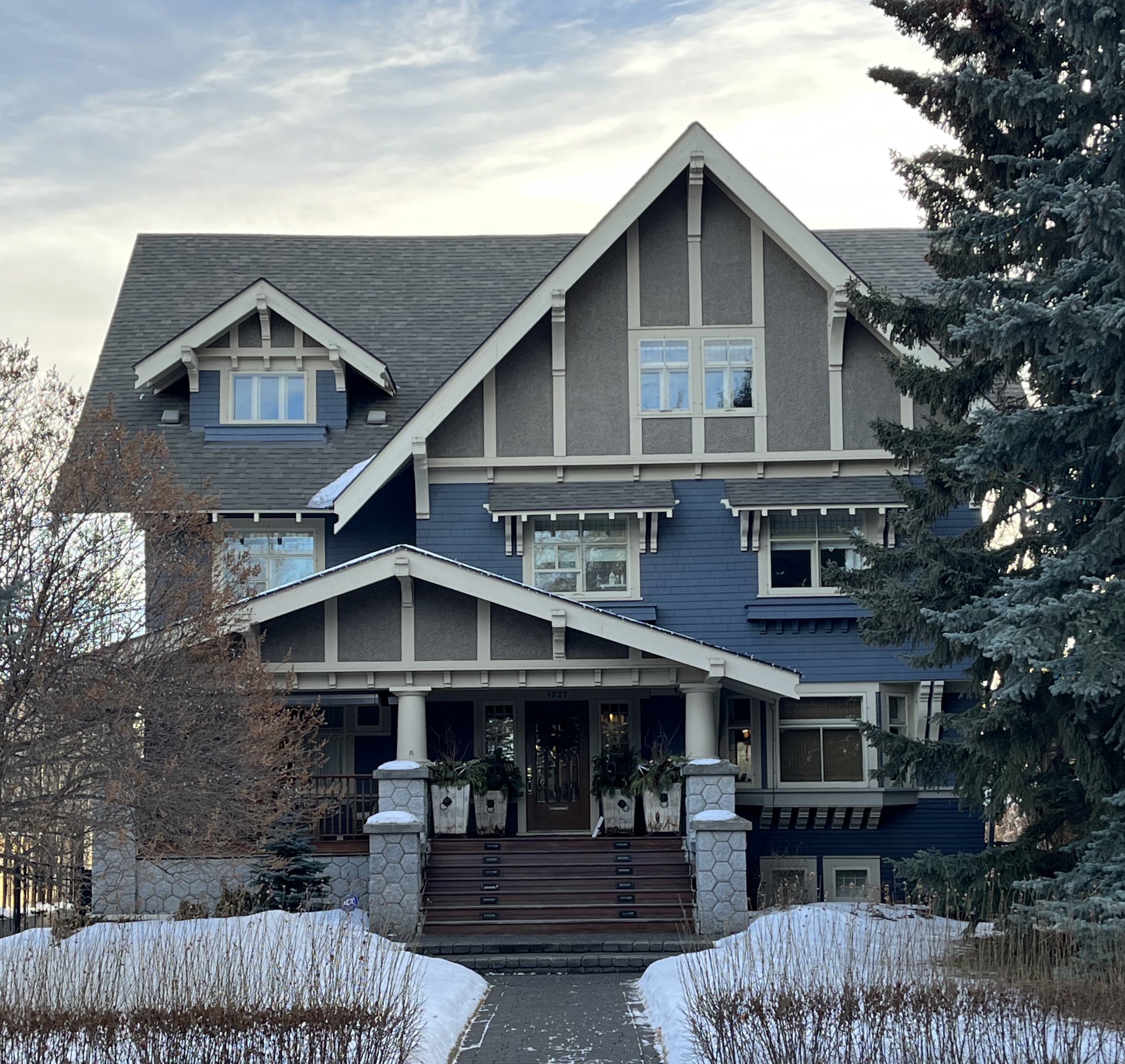
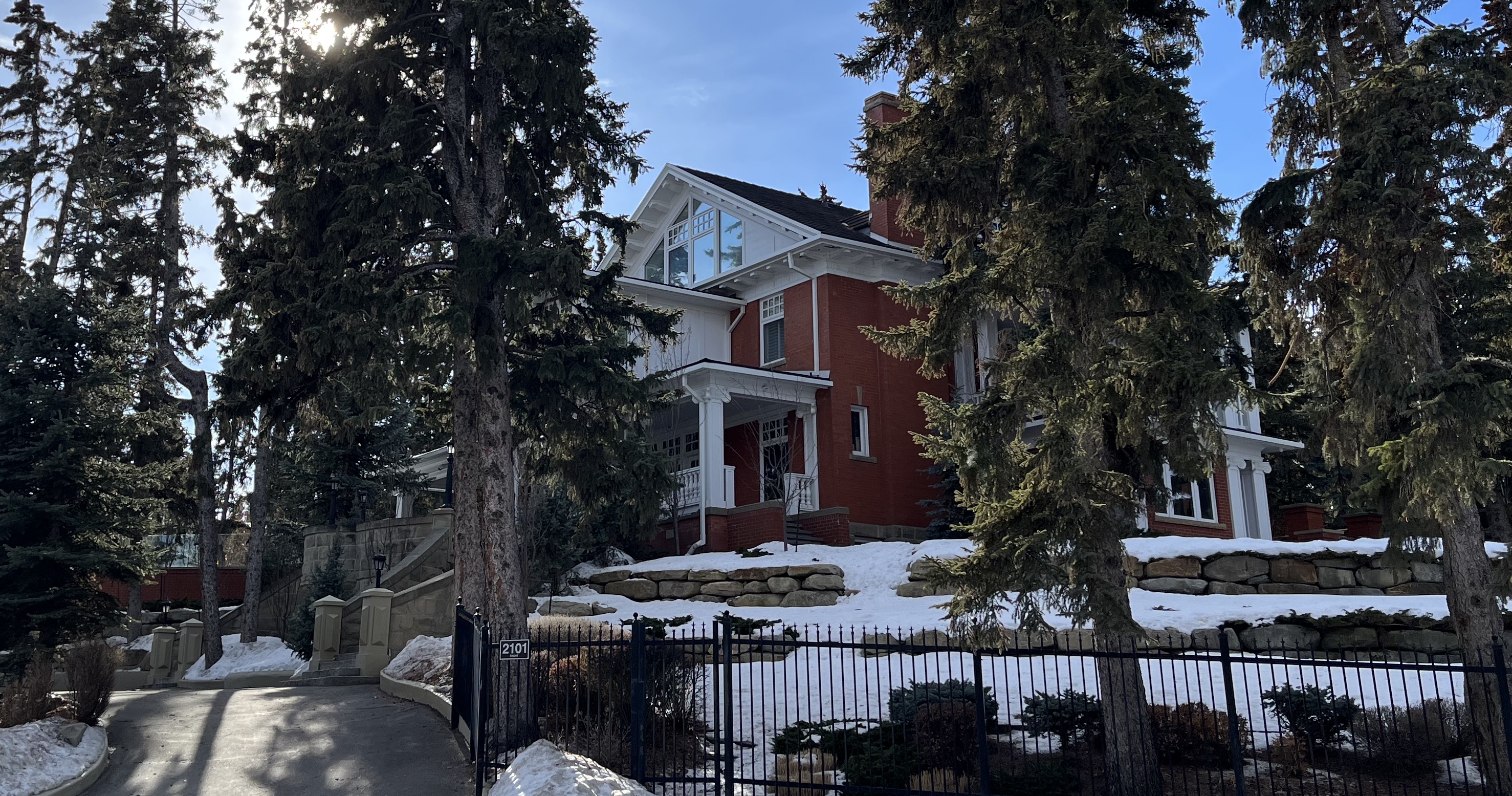
Old houses contribute to the architectural diversity of our communities. They showcase design styles, from Victorian and Georgian to Craftsman and Colonial. These distinctive architectural features add character and charm to neighbourhoods, creating a sense of place and identity, ensuring they remain visually appealing and retain their unique character.
ECONOMIC BENEFITS
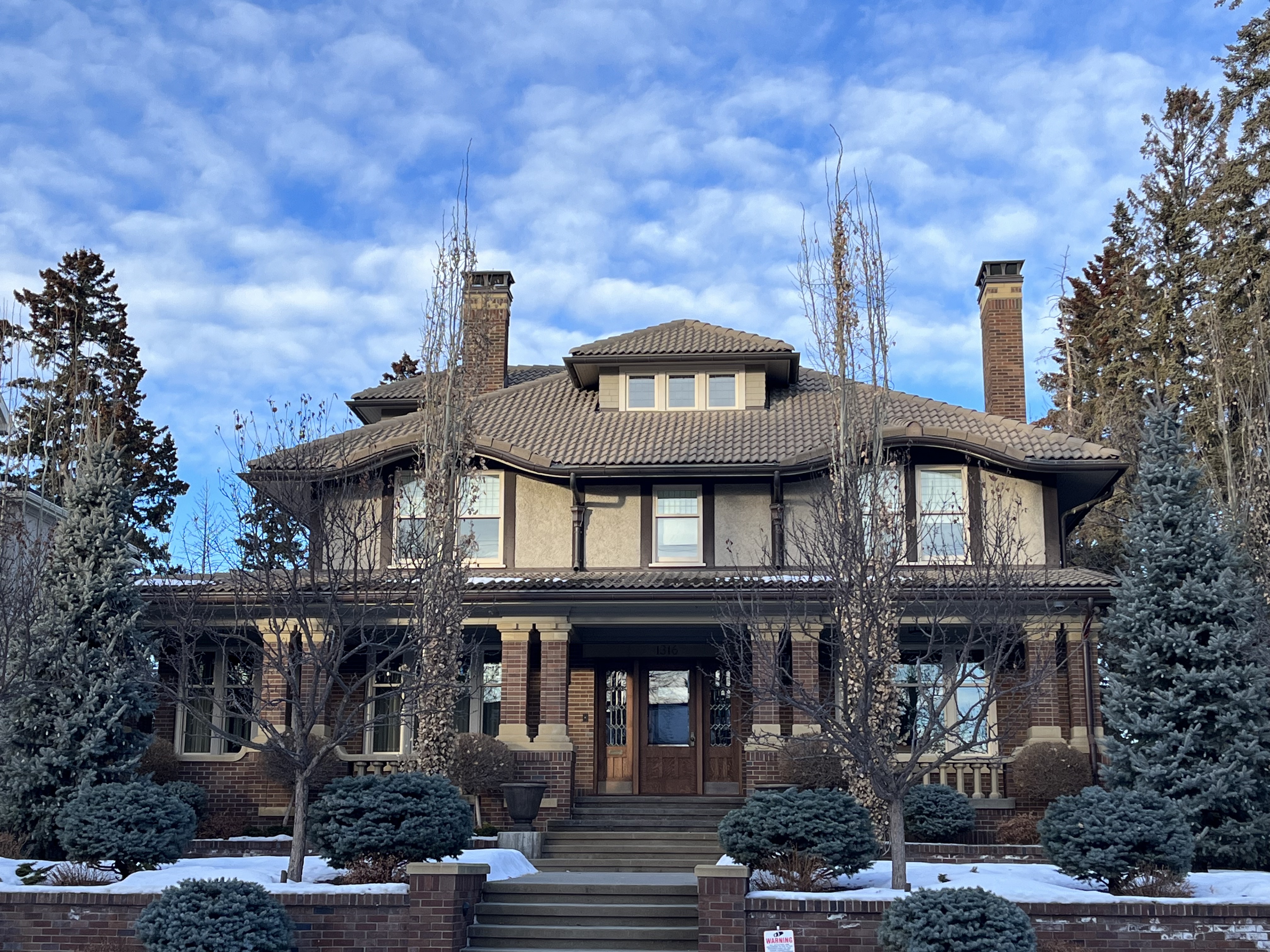
Saving old houses can have positive economic effects on both individual homeowners and communities as a whole. Rehabilitating historic properties creates job opportunities for skilled craftspeople, architects, and contractors. It also attracts heritage tourism, generating revenue for local businesses. Studies have shown that neighbourhoods with preserved historical architecture tend to have higher property values and can become attractive destinations for businesses and residents.
NIMMONS’ RESIDENCE
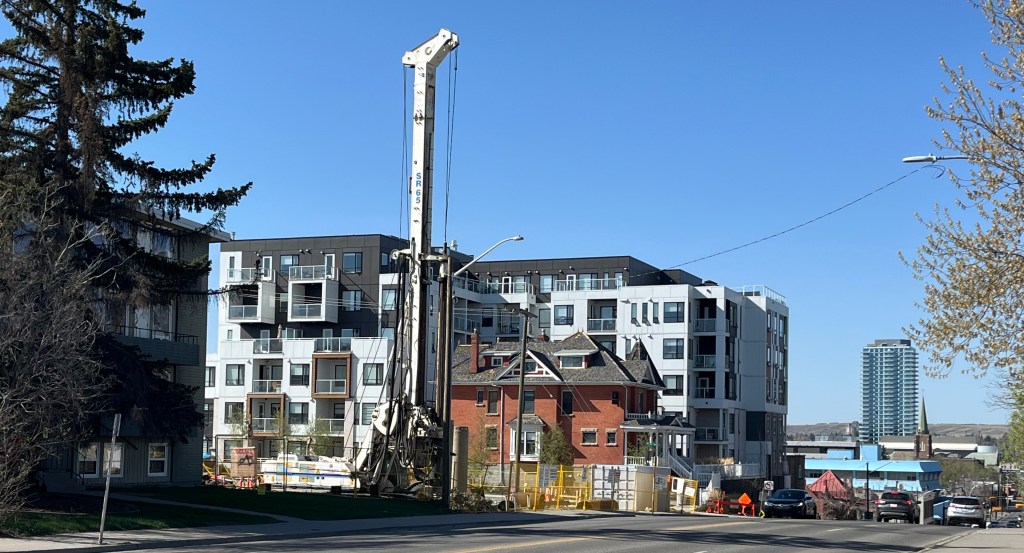
The development on the site of the Nimmons’ Residence is noteworthy because of its historical significance and the effort made to save it at its prominent original location – 1827 14 St. SW.
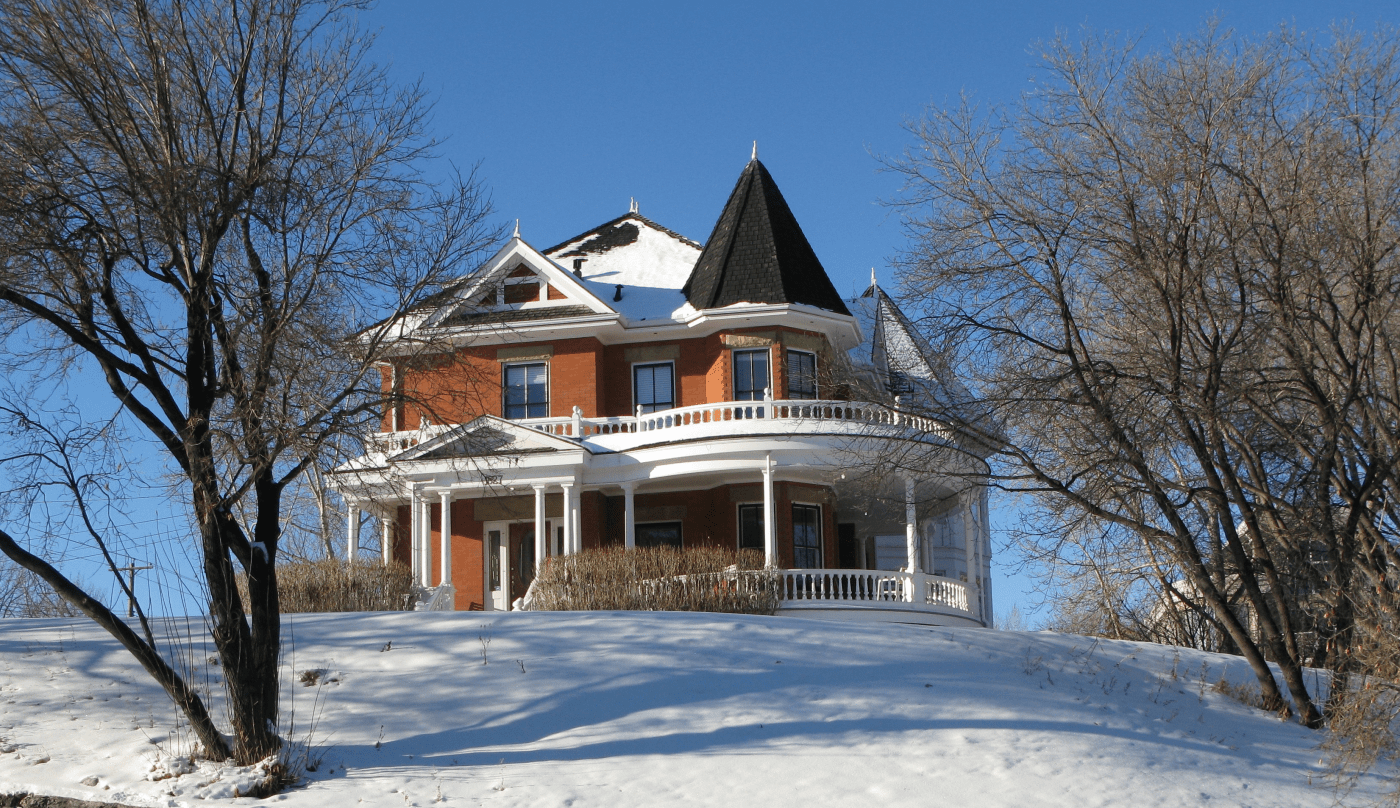
The home was built in 1898, overlooking the prairie with a view of the village of Calgary in the distance. It is one of the last surviving examples of grand ranch houses. Built by pioneer William Nimmons who purchased a half-section of land from the Hudson’s Bay Company in 1882 for eight dollars an acre.
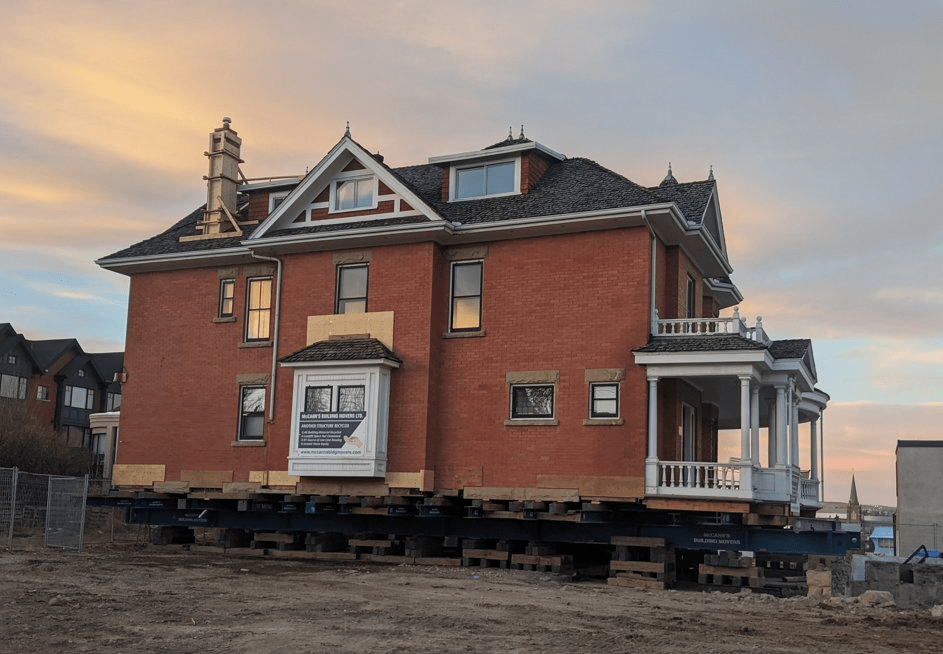
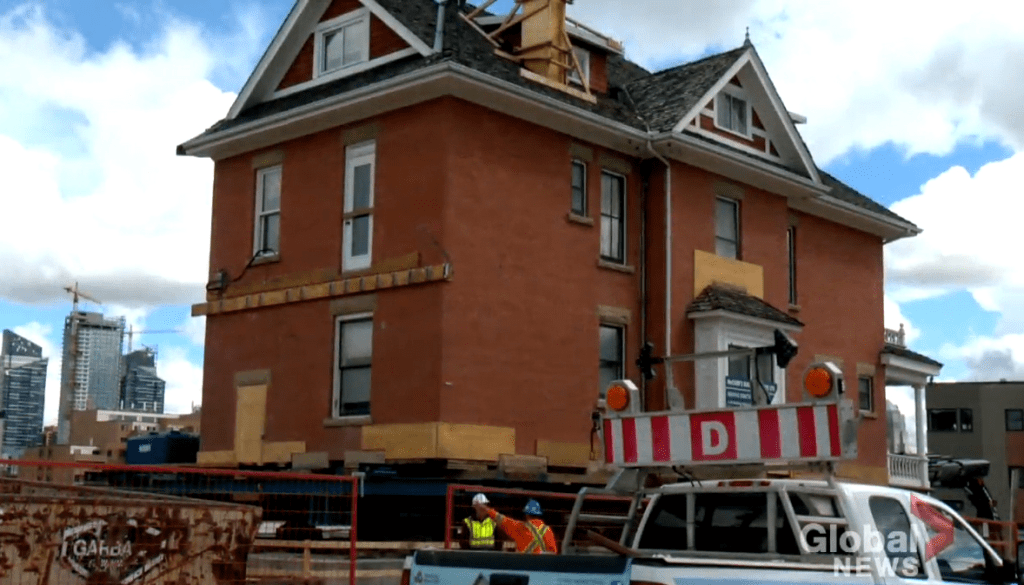
Niimmons established one of the most well-known ranches in the area, the 3-D-Bar Ranch ranch. The quarry and brickworks operating on the property; made a significant contribution to the early construction of the city. He subdivided the property in 1905, and in 1912 the subdivision of Bankview became part of Calgary.
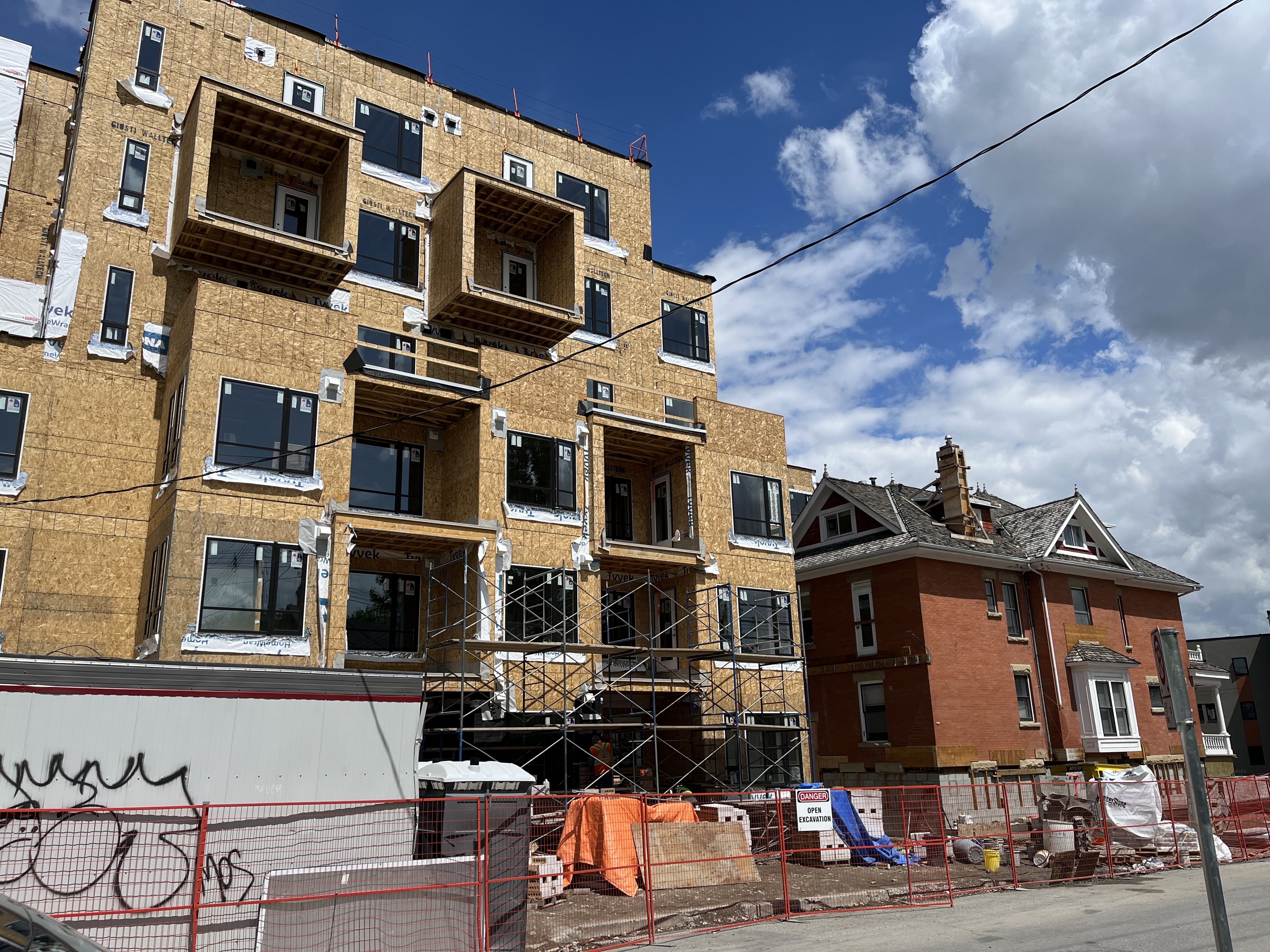
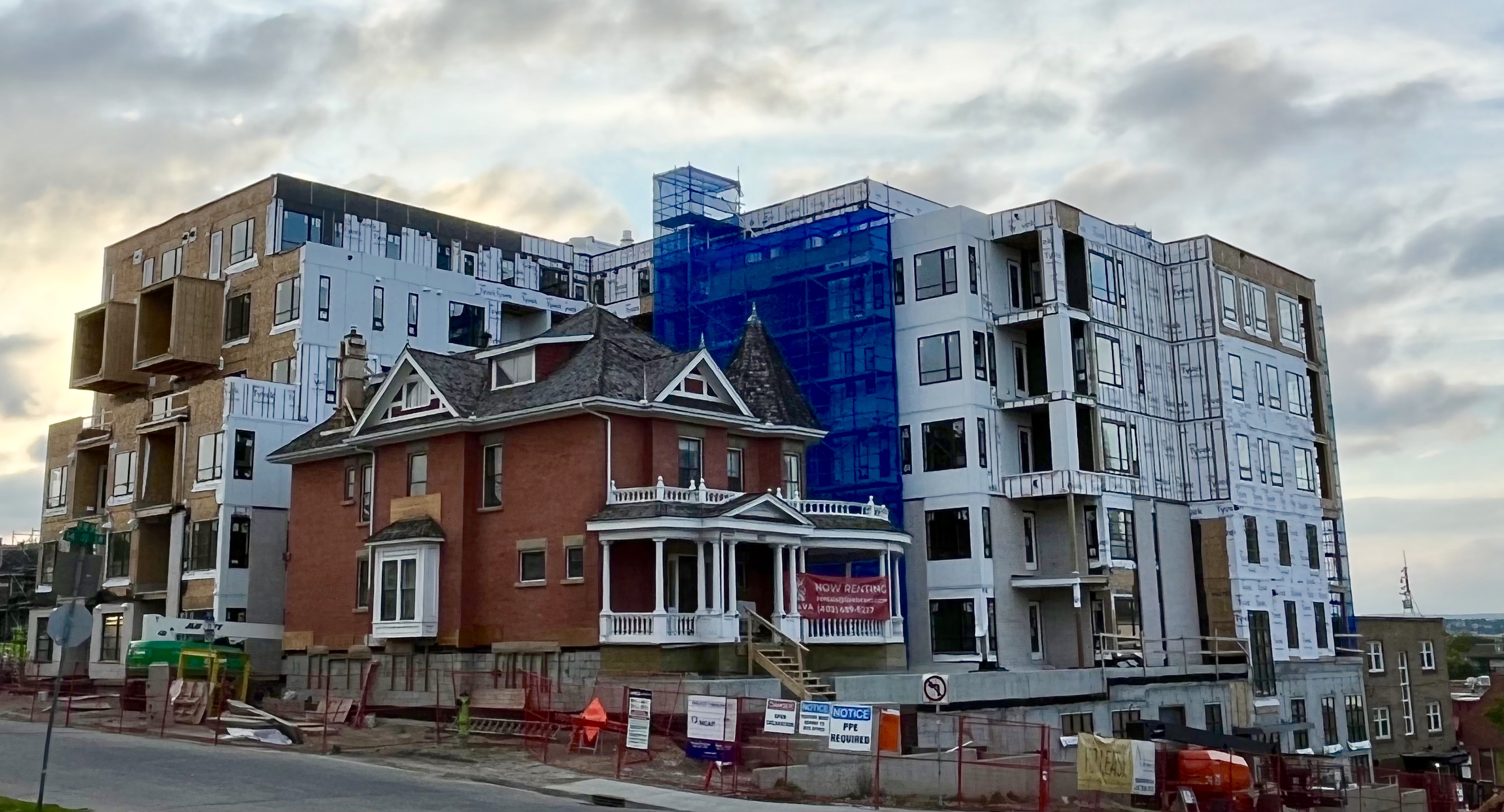
The completion of Nimmons’ Court, by Brava Development Corp. and designed by Casola Koppe Architects, marks the culmination of decades of consultation by the City of Calgary. Part of the 1981 Bankview Area Redevelopment Plan was to facilitate the preservation of the Nimmons’ Residence by designating it a Municipal Historic Resource and allowing for its adaptive reuse.

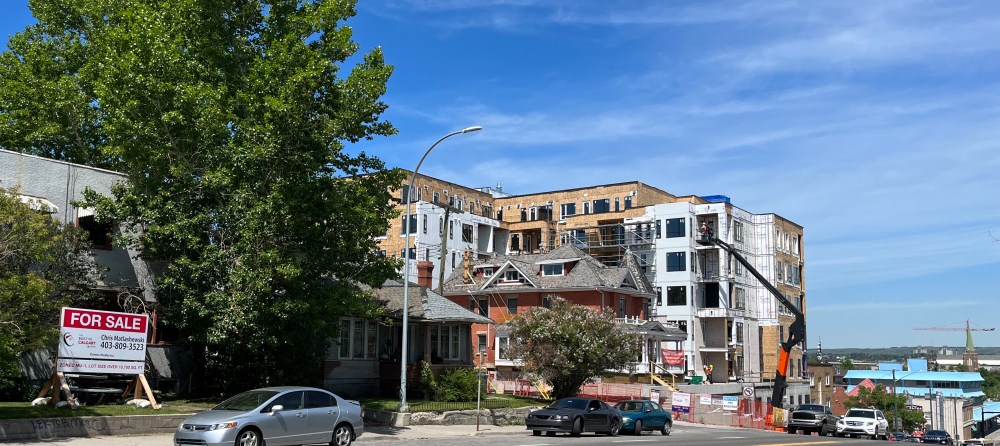
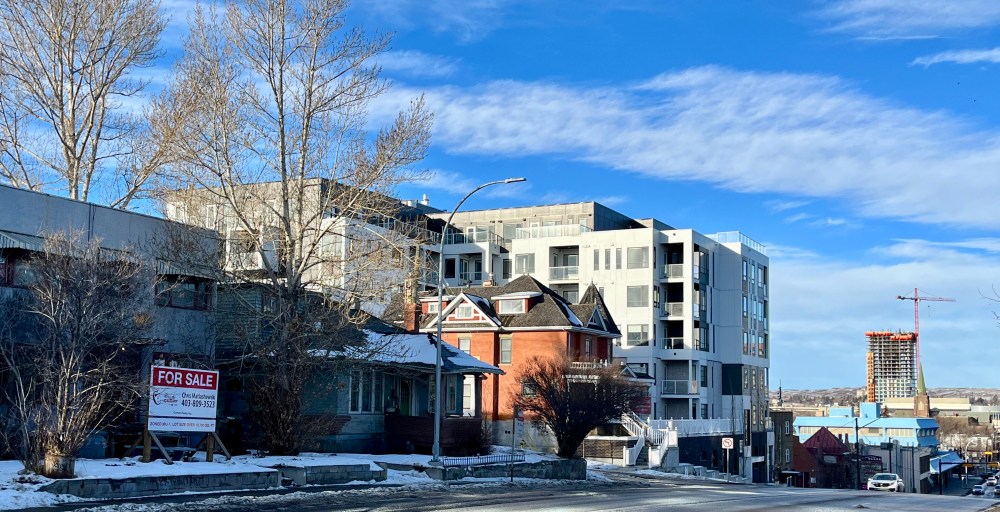
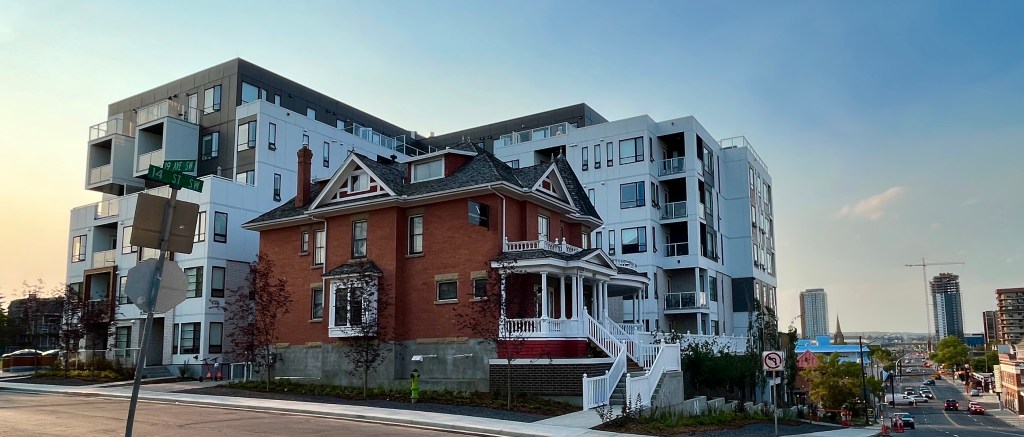
In 2018, an accommodation to relocate the home resulted in the structure being lifted and moved from its original foundation to the SE corner of the property. This will allow it to be incorporated into the new development of a six-story, 84-unit apartment that wraps around the two-story Victorian Queen Anne revival-style residence.
Next Steps – Where to go from here
Explore retail and entertainment districts, plus the historic residential community of Mount Royal. The Best 5K Urban Hike features lookouts of the city skyline, green space, heritage buildings, public art and urban design. There is a mix of terrain and elevation, fit for an inner-city workout. The journey includes:
Opportunity to Engage with the City
Help shape how this community and the surrounding area evolve over the next 30 years. You can connect with the City of Calgary here and have your voice heard.

The West Elbow Communities Local Area Planning project includes the communities of Altadore, Bankview, Cliff Bungalow, Elbow Park, Erlton, Garrison Woods, Lower Mount Royal, Mission, North Glenmore Park (north of Glenmore Trail SW), Richmond (east of Crowchild Trail SW), Rideau Park, Roxboro, Scarboro (east of Crowchild Trail SW), South Calgary, and Sunalta and Upper Mount Royal.
Apply for the West Elbow Heritage Guidelines Working Group – Provide feedback on heritage guidelines so that new development complements identified heritage assets within the West Elbow area.
 The Urban Explorer