
Glenbow closed to the public in 2021 to undergo a massive transformation.
The museum opened in this concrete box, lacking windows and style, in 1976. This overbuilt structure served more like a vault to store its growing collection. The building was a product of the Brutalist architectural movement that was already in decline. This led many to criticize the structure for producing an unwelcoming visitor experience.
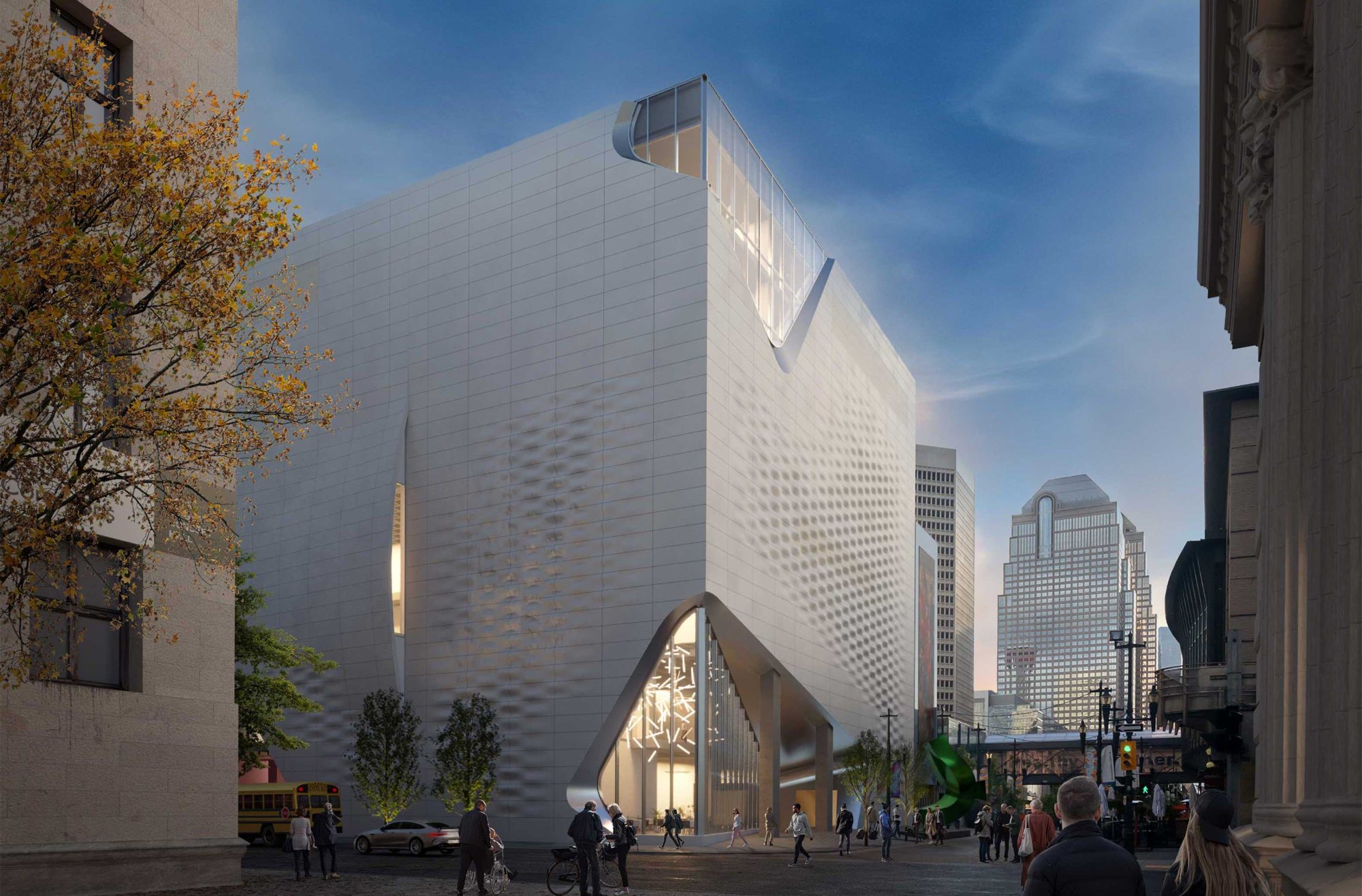
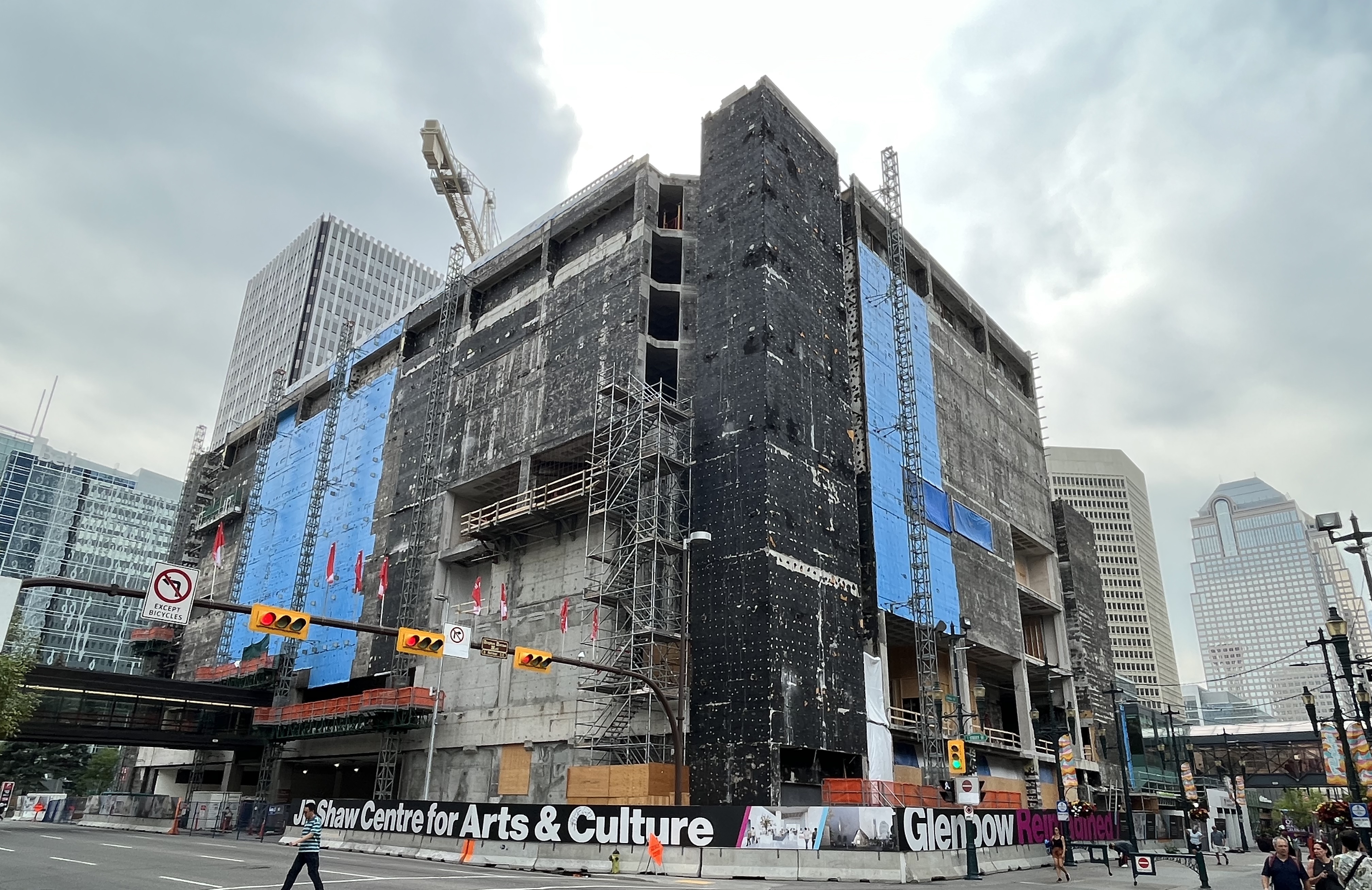
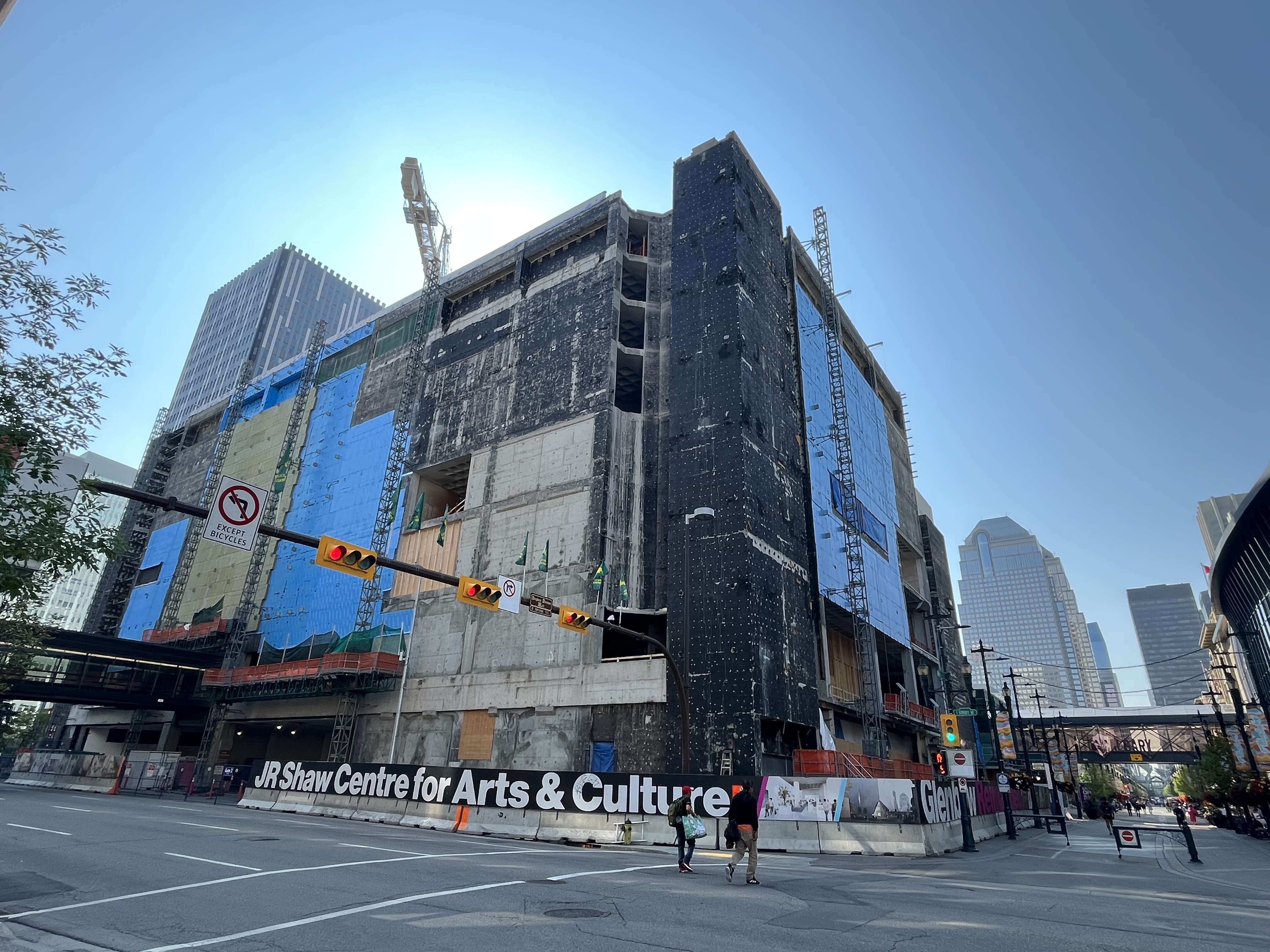
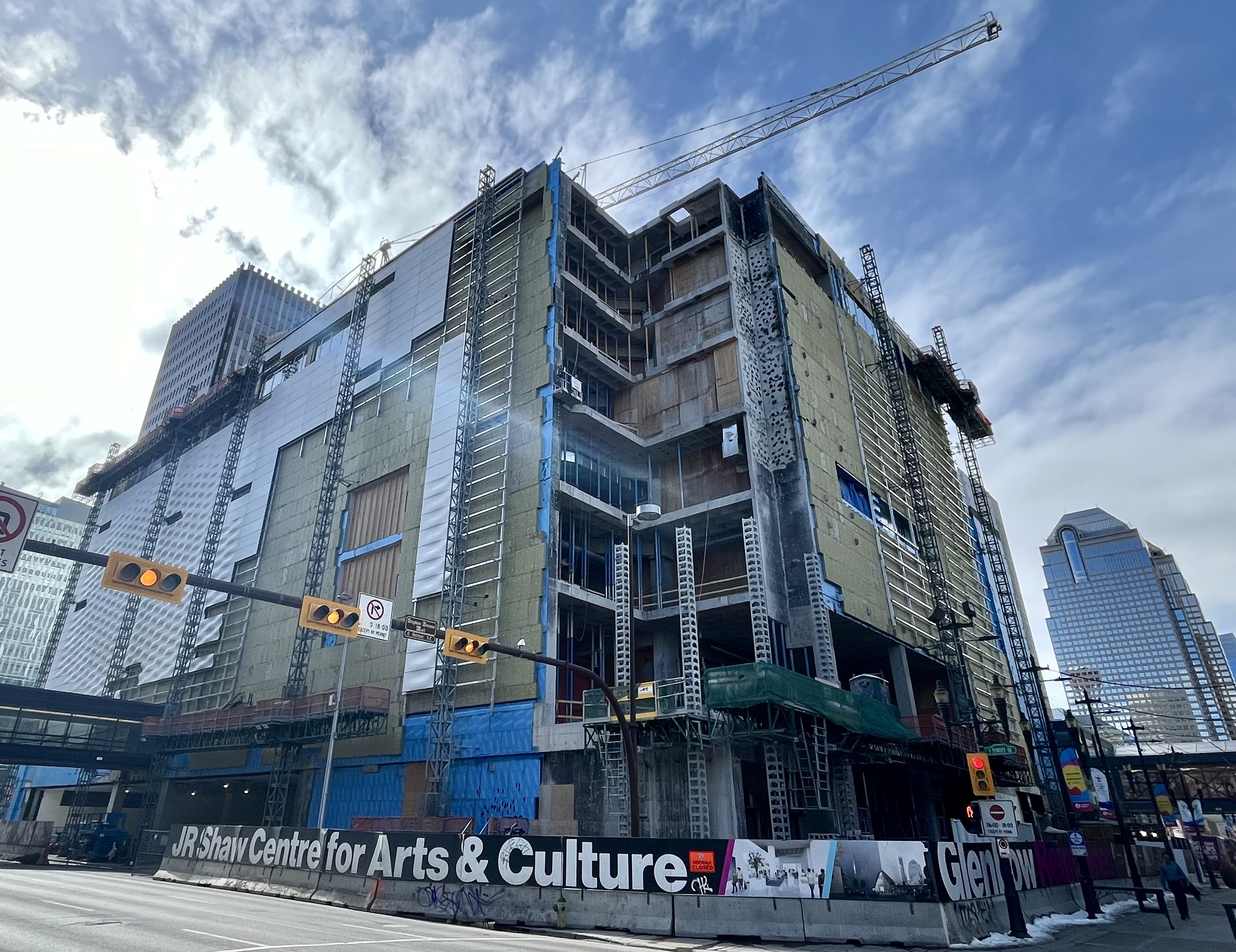
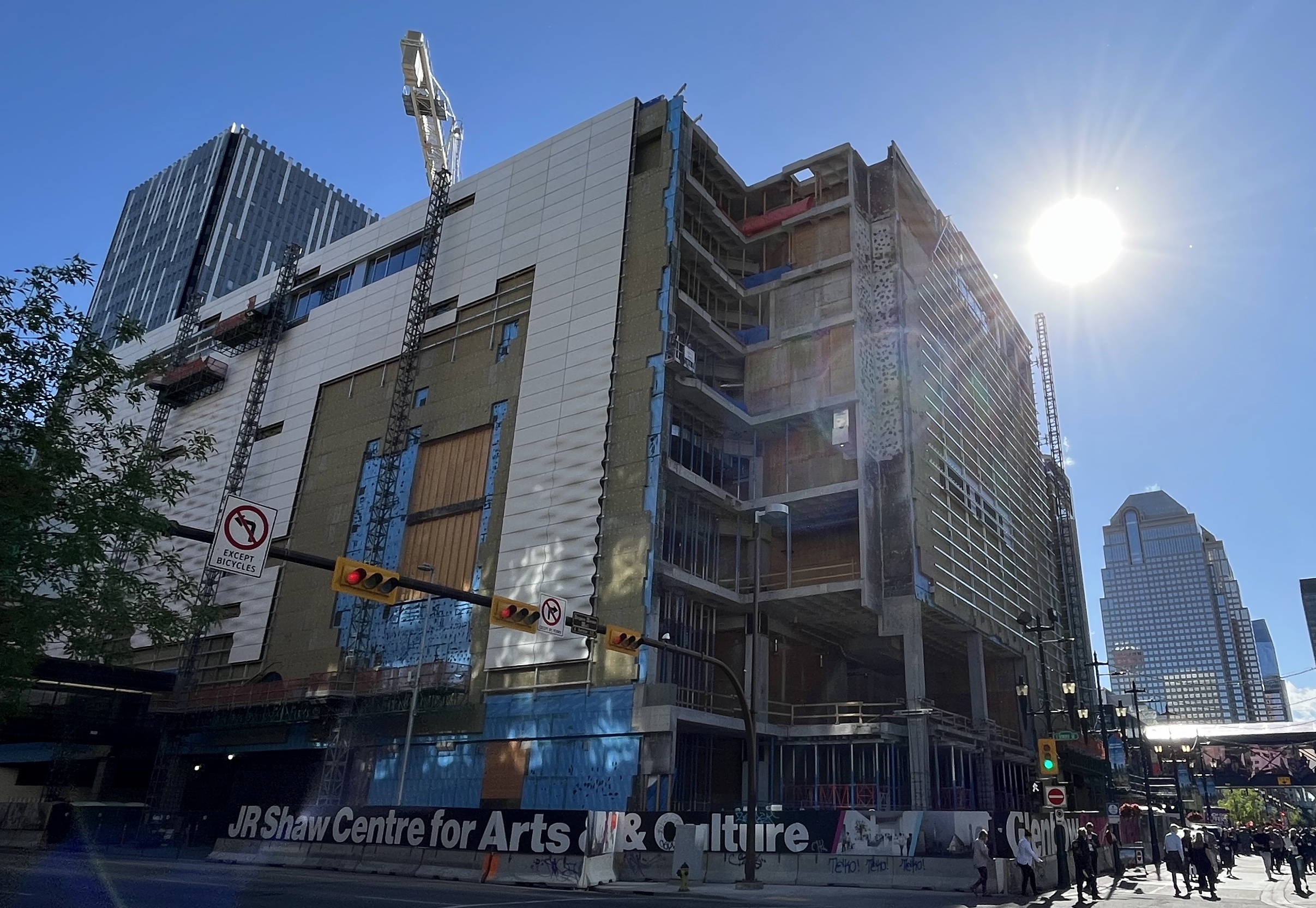
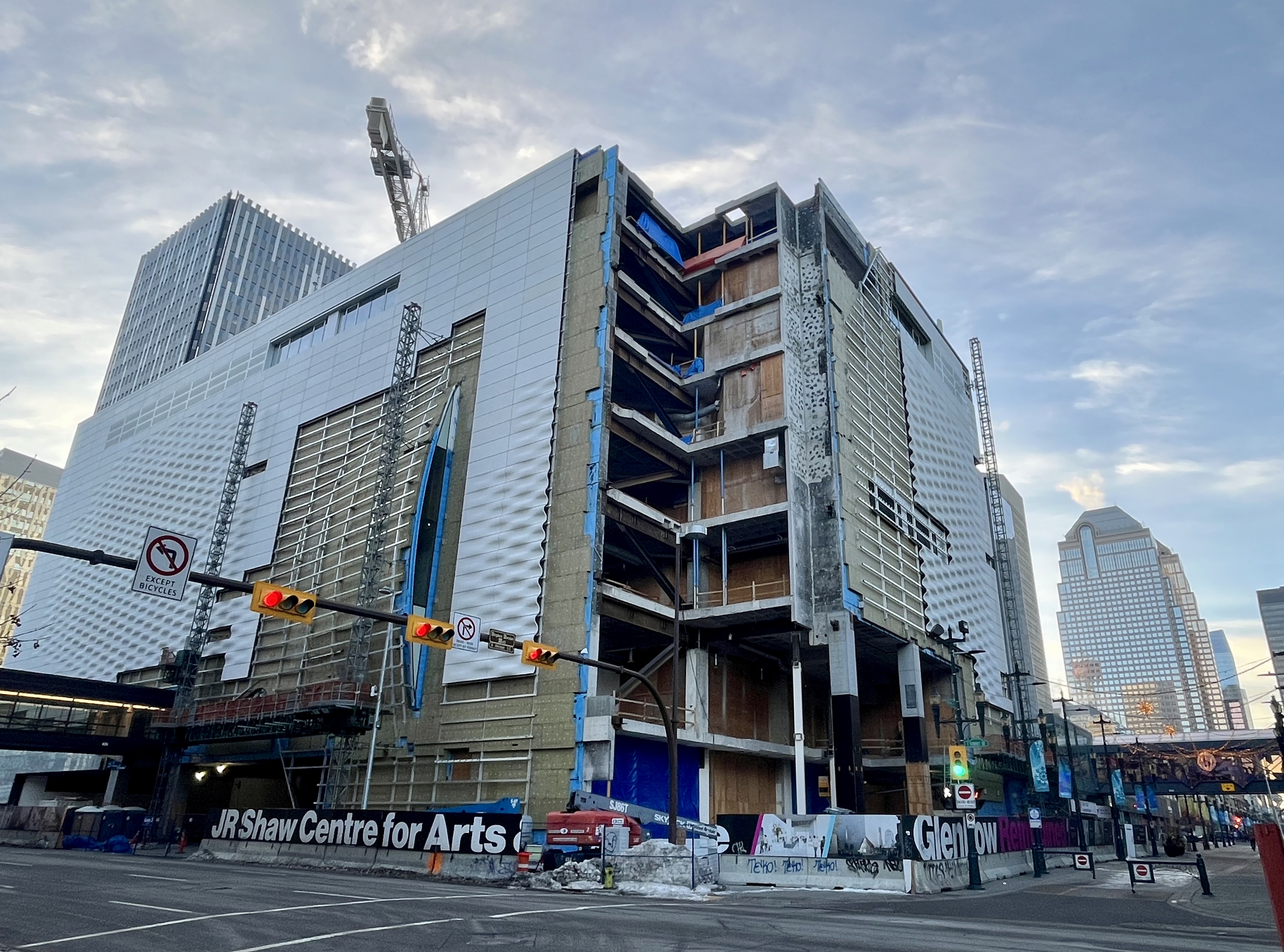
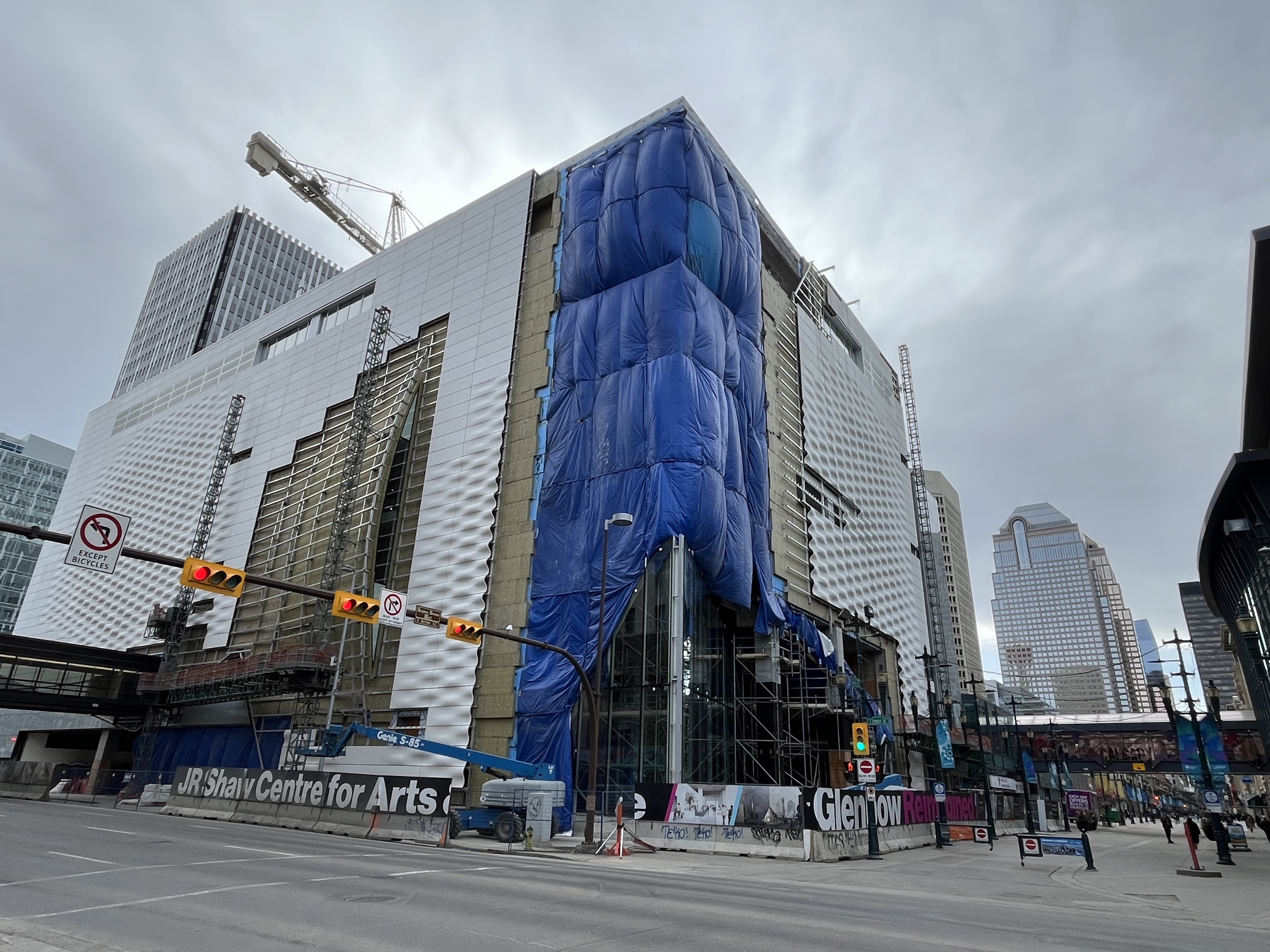
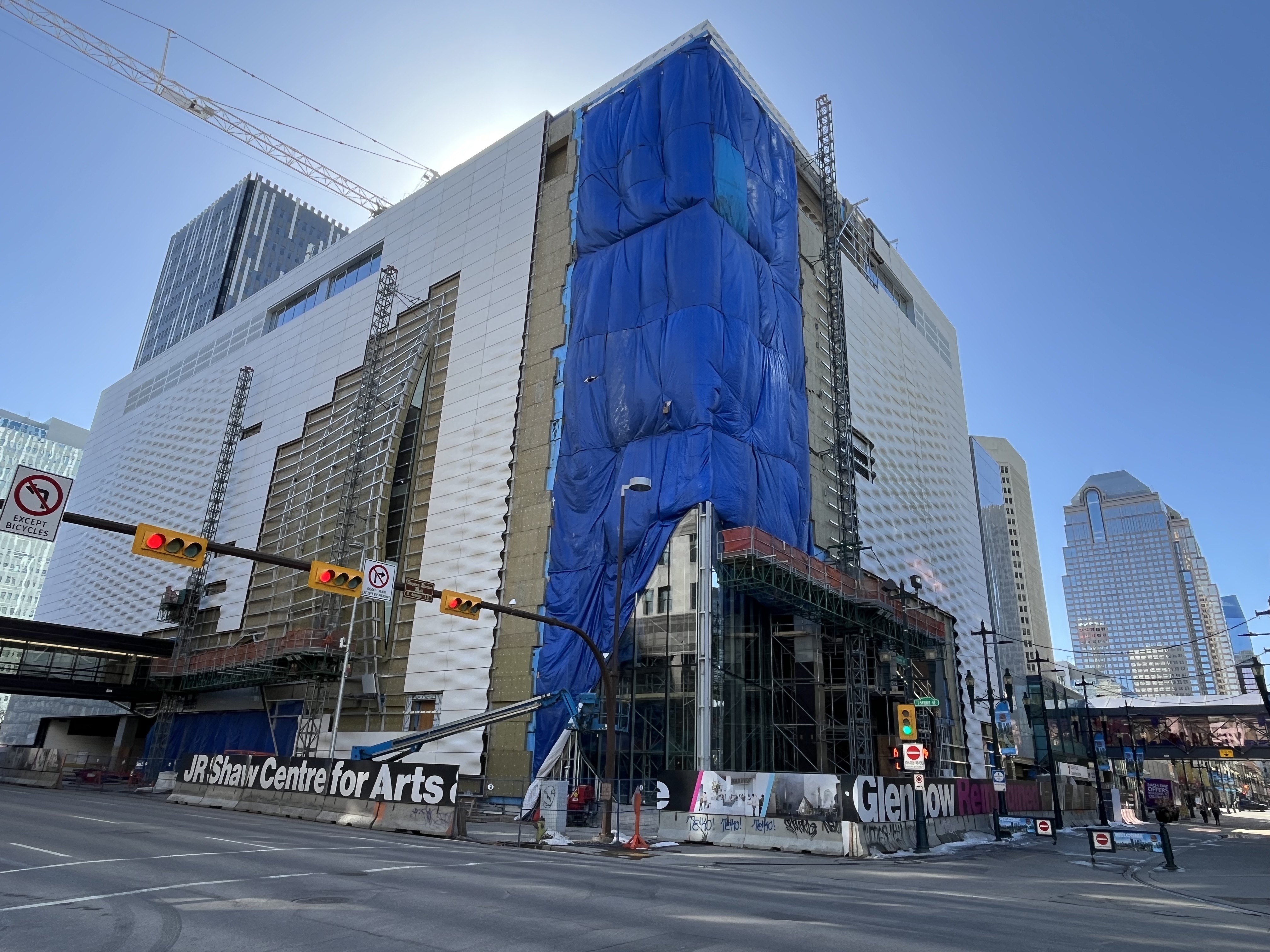
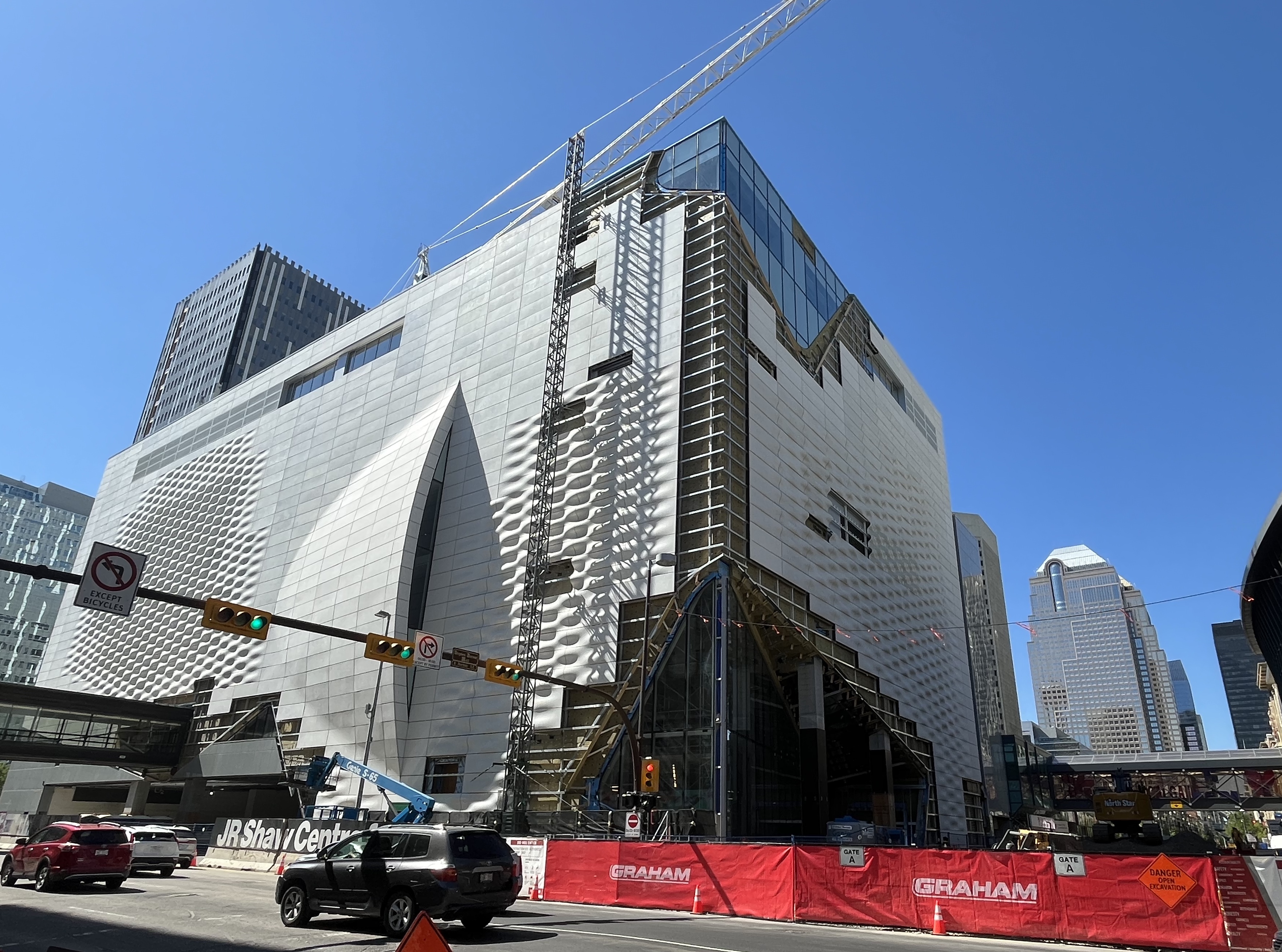
Glenbow Museum will re-emerge after the renovation as the JR Shaw Centre for Arts & Culture. When it does, it will welcome visitors with a new look and experience. It will feature a new lobby with street access. There will be a terrace and retail spaces. Visitors can enjoy a restaurant and a redesigned exhibition layout. The gallery areas will be updated, and a new theatre will be added.
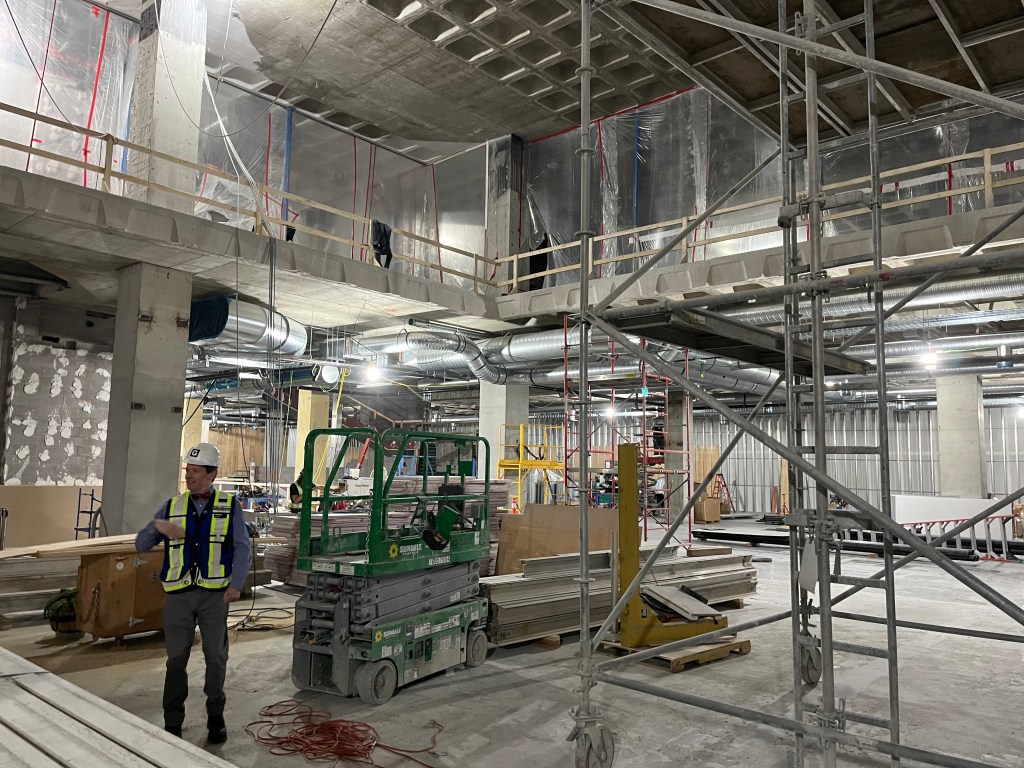
On a recent tour with Nicholas Bell, the president and CEO of the Glenbow Museum. We were presented with how the “need for renovation created an opportunity to make this a more attractive place.”
Thinking Outside the Box
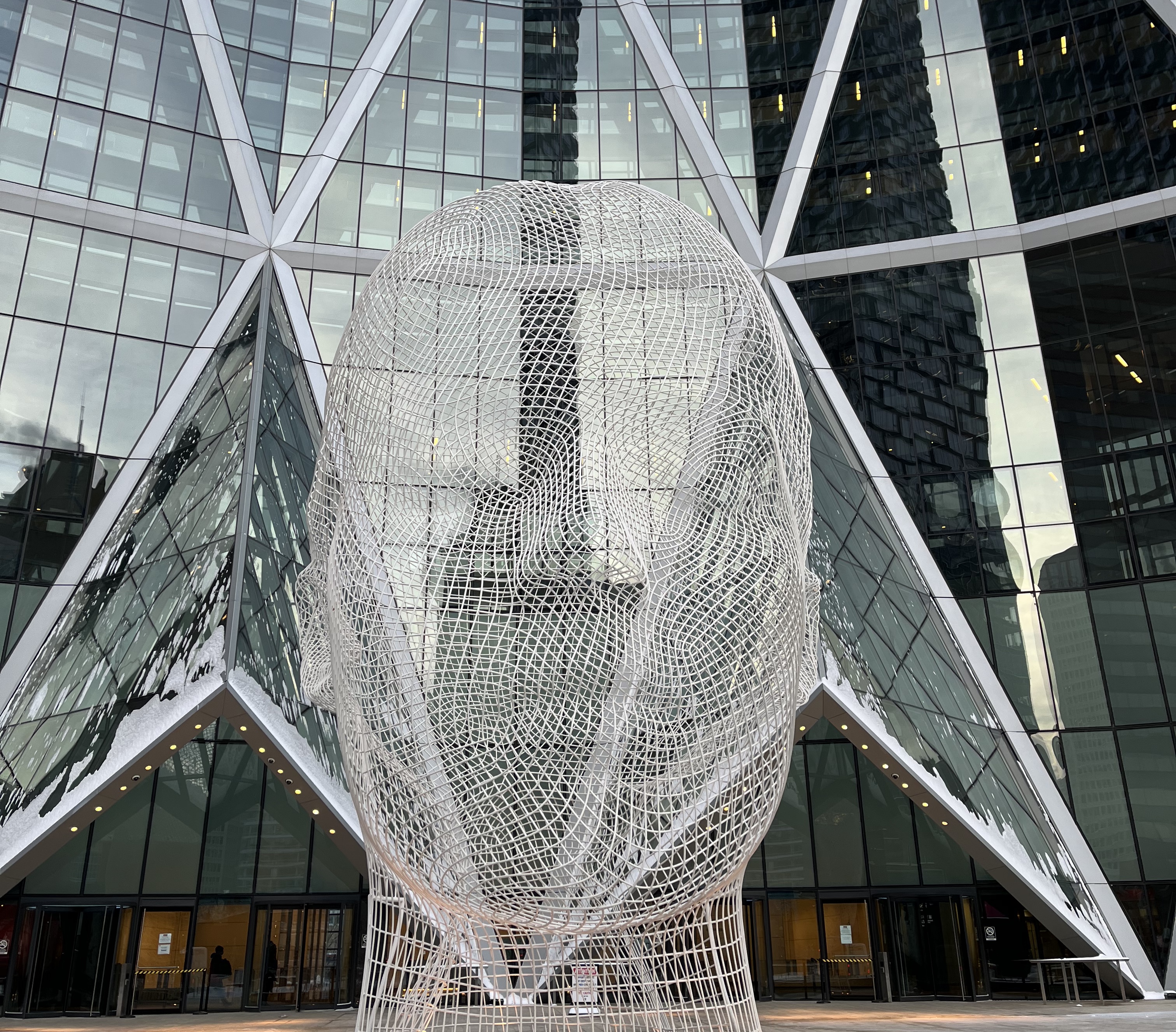
Workers are removing the precast concrete panels from the outside of the building. The original 1556 concrete exterior panels were well past their usable life, at risk of failure, and no longer safe. A new exterior manufactured locally by Heavy is replacing them. The same company also worked on the iconic public art installation: Wonderland.
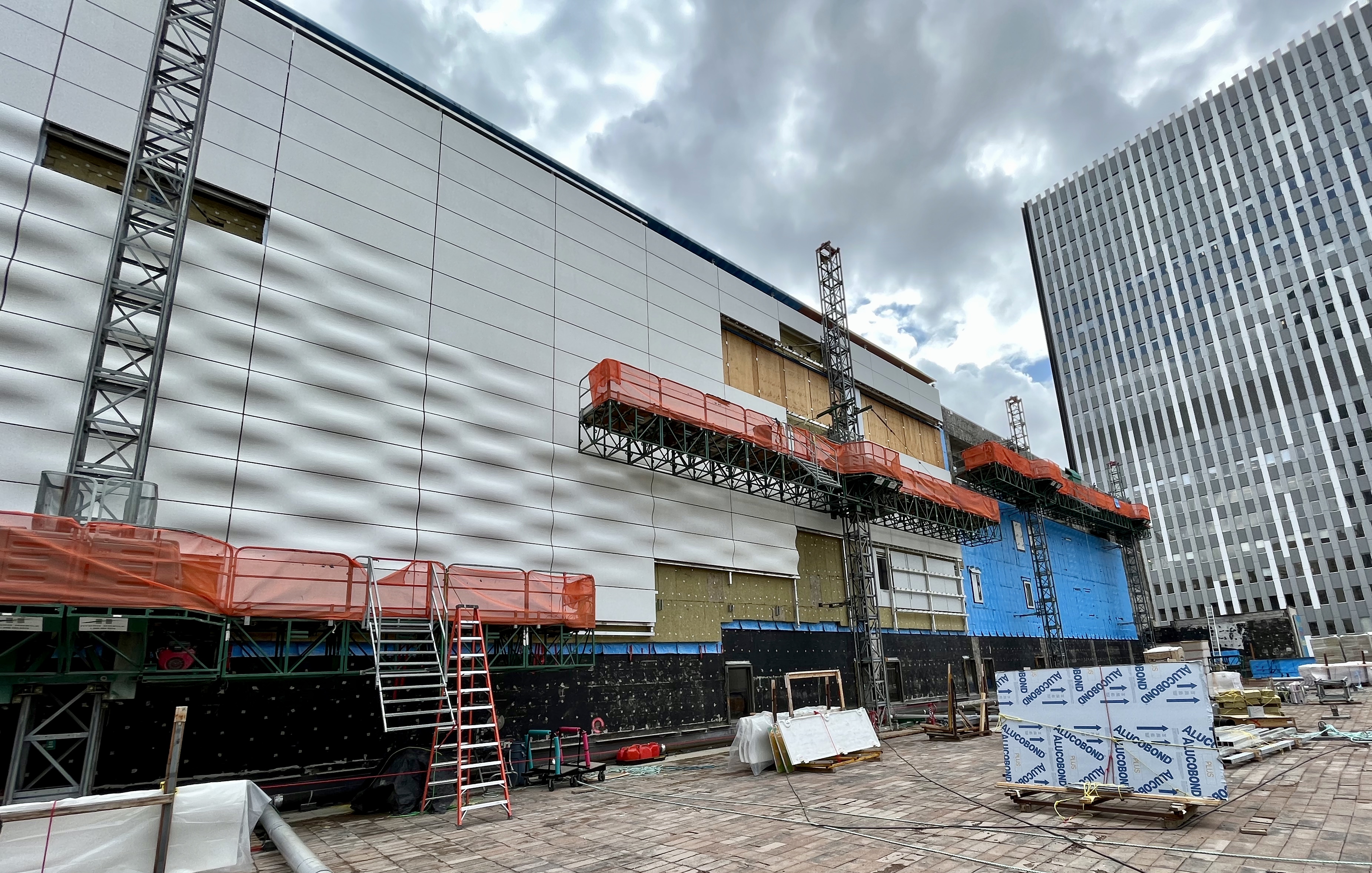
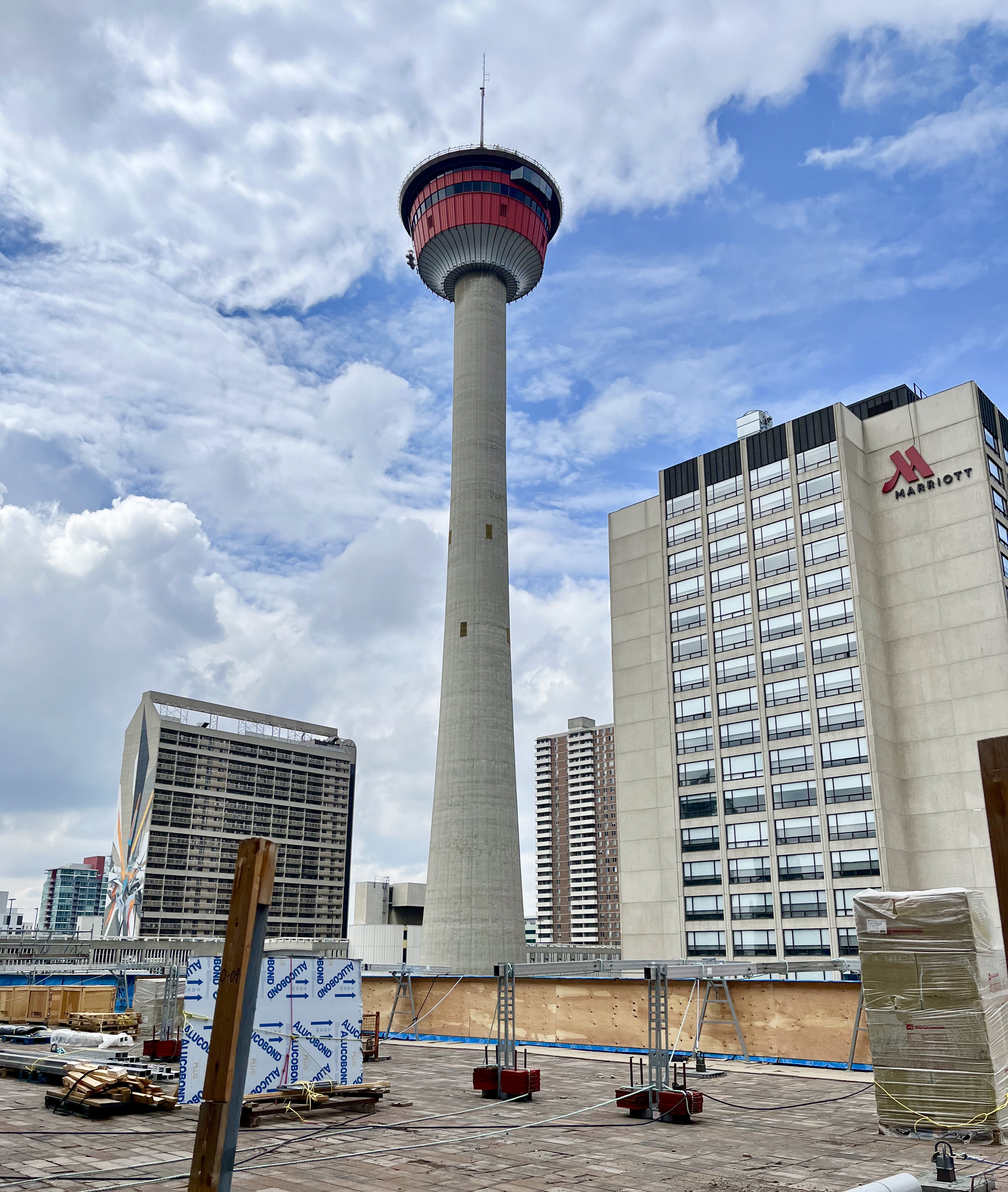
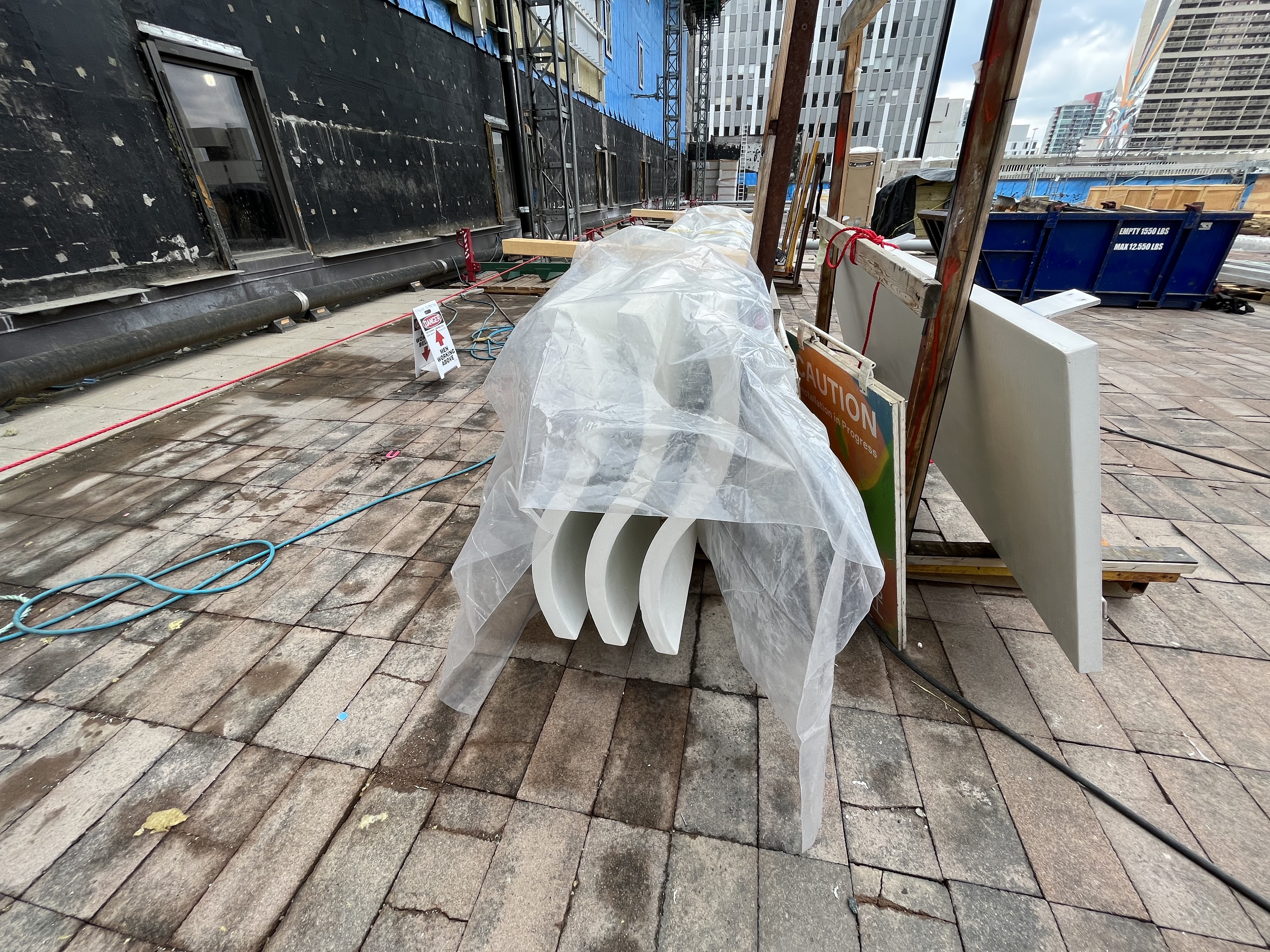
Moulds are cast on-site from a glass-fibre reinforced concrete called Cloudcrete. These panels will pick up and reflect light, dramatically changing the appearance of the building. We saw this taking shape from what will become the fifth-floor terrace. An inviting space for future visitors to experience an outdoor area overlooking the heart of downtown.
Opening Up What’s Inside
The revitalized building will offer diverse visitor experiences across a more transparent museum. Access to 9th Avenue to engage passers-by with enticing views into the building, and for the first time, there will be an entrance on the street level along Stephen Avenue
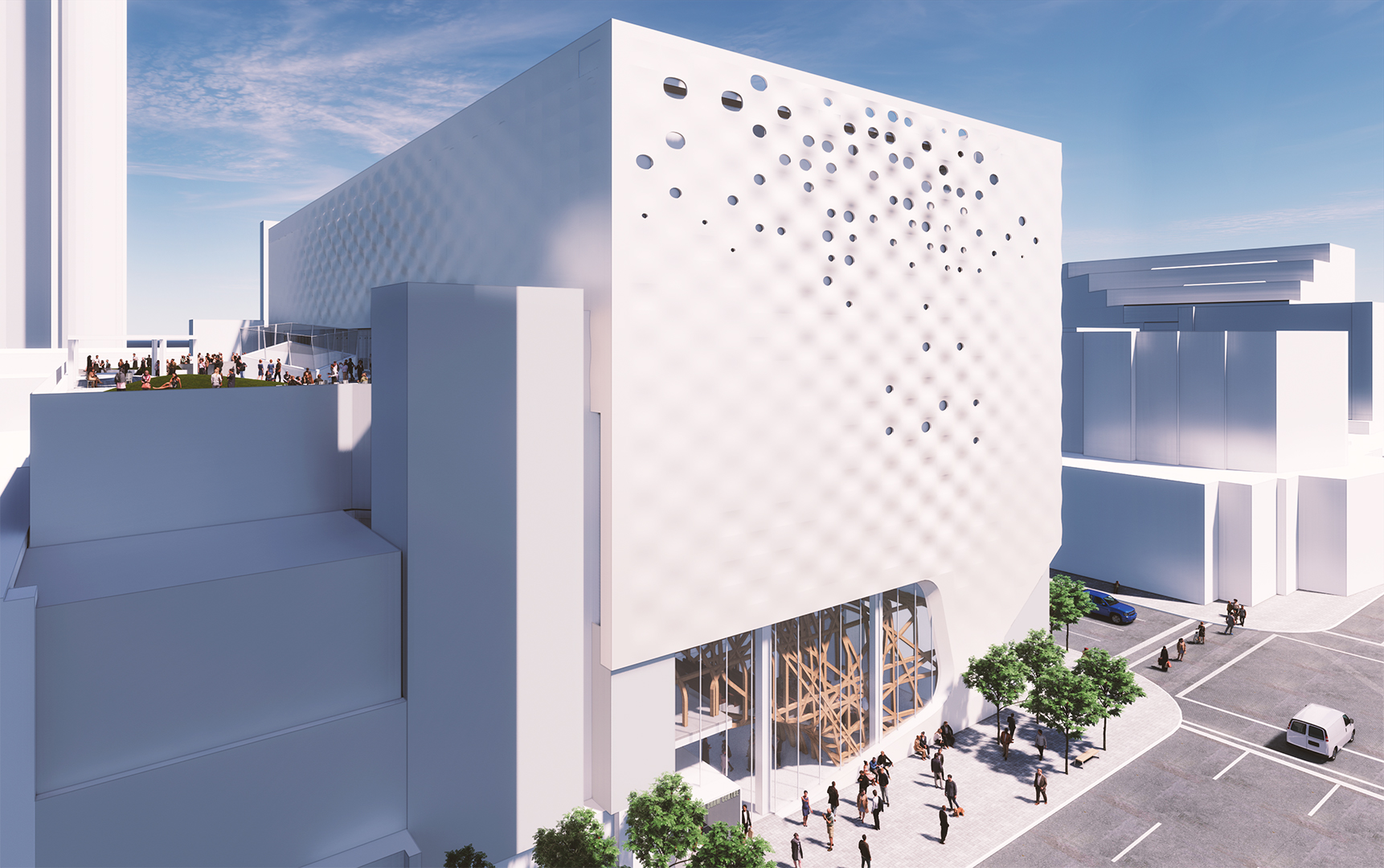
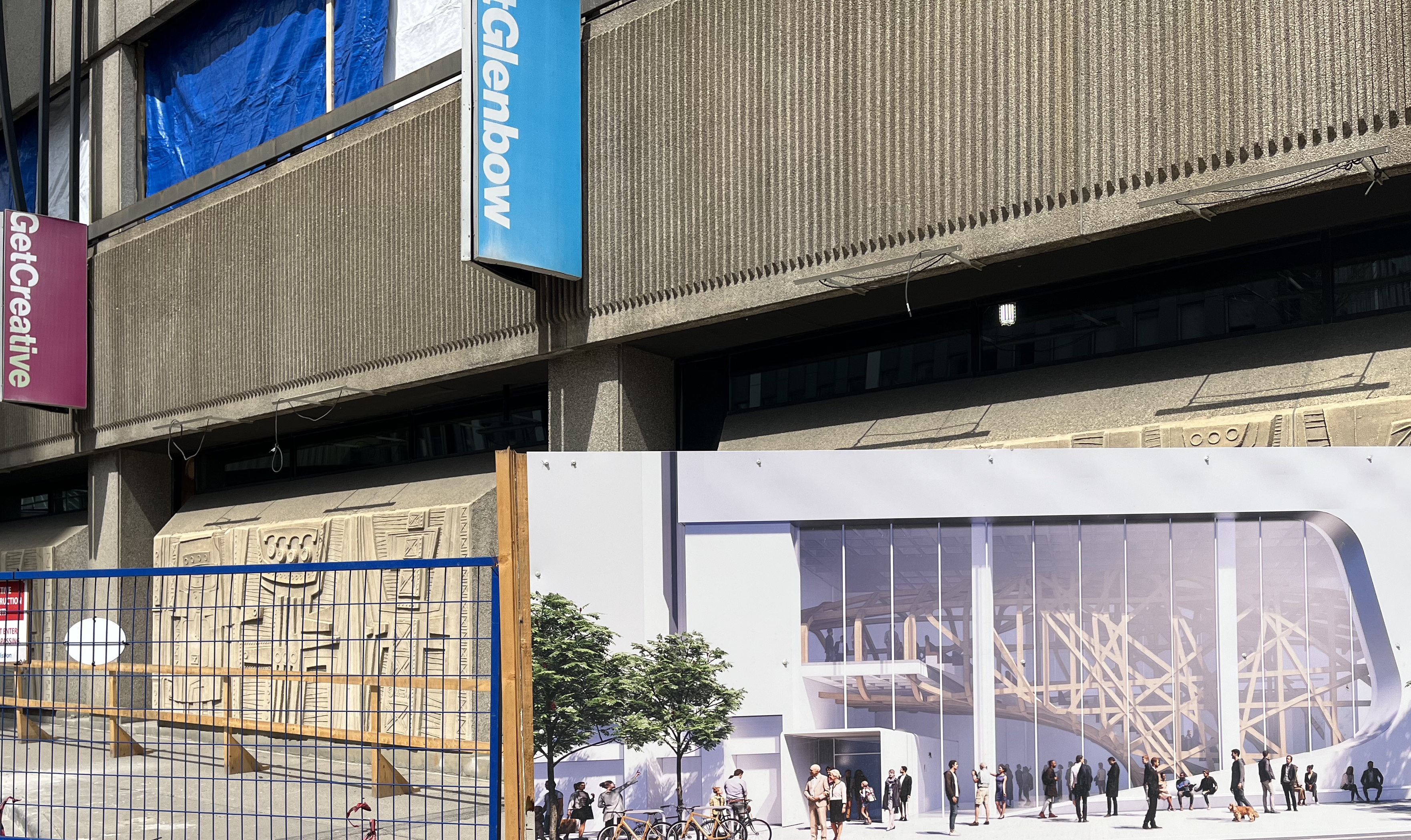
The new space will be open and accessible for everyone in the community. The project addresses physical accessibility. Thanks to a donation from the Shaw Family Foundation, eliminating general admission will remove affordability barriers. The new design opens all eight floors to the public, eliminating the old four-level staircase.
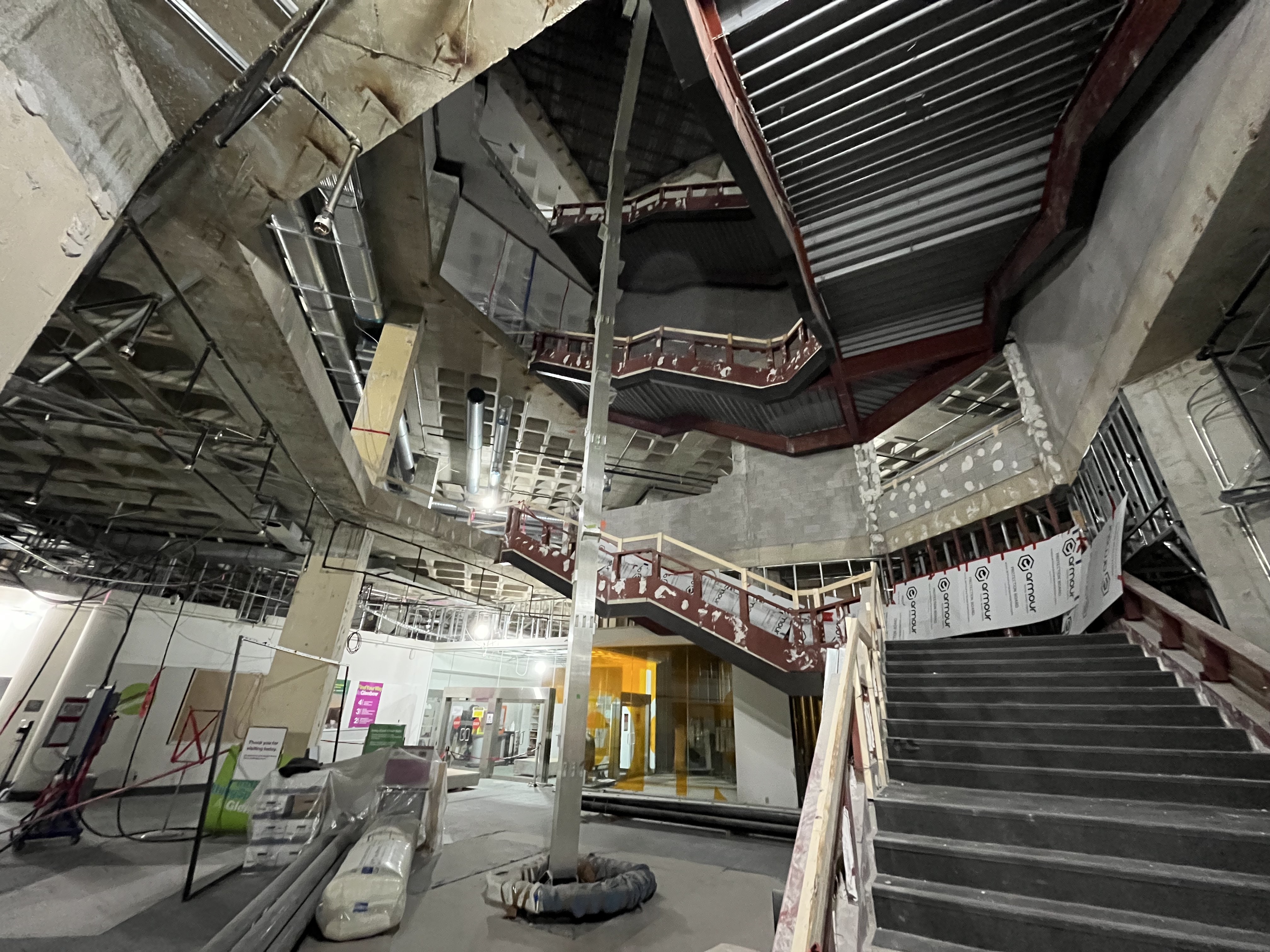
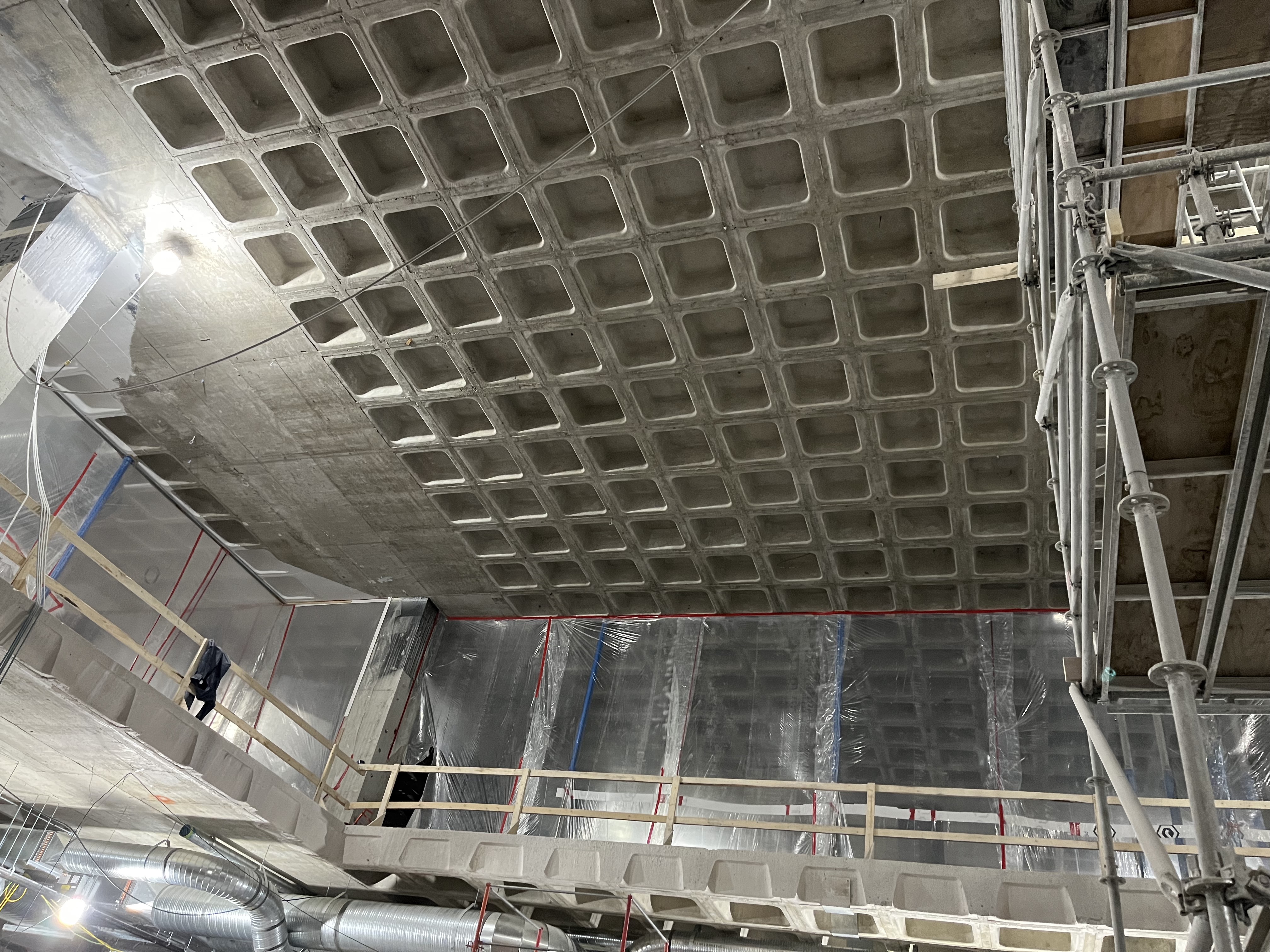
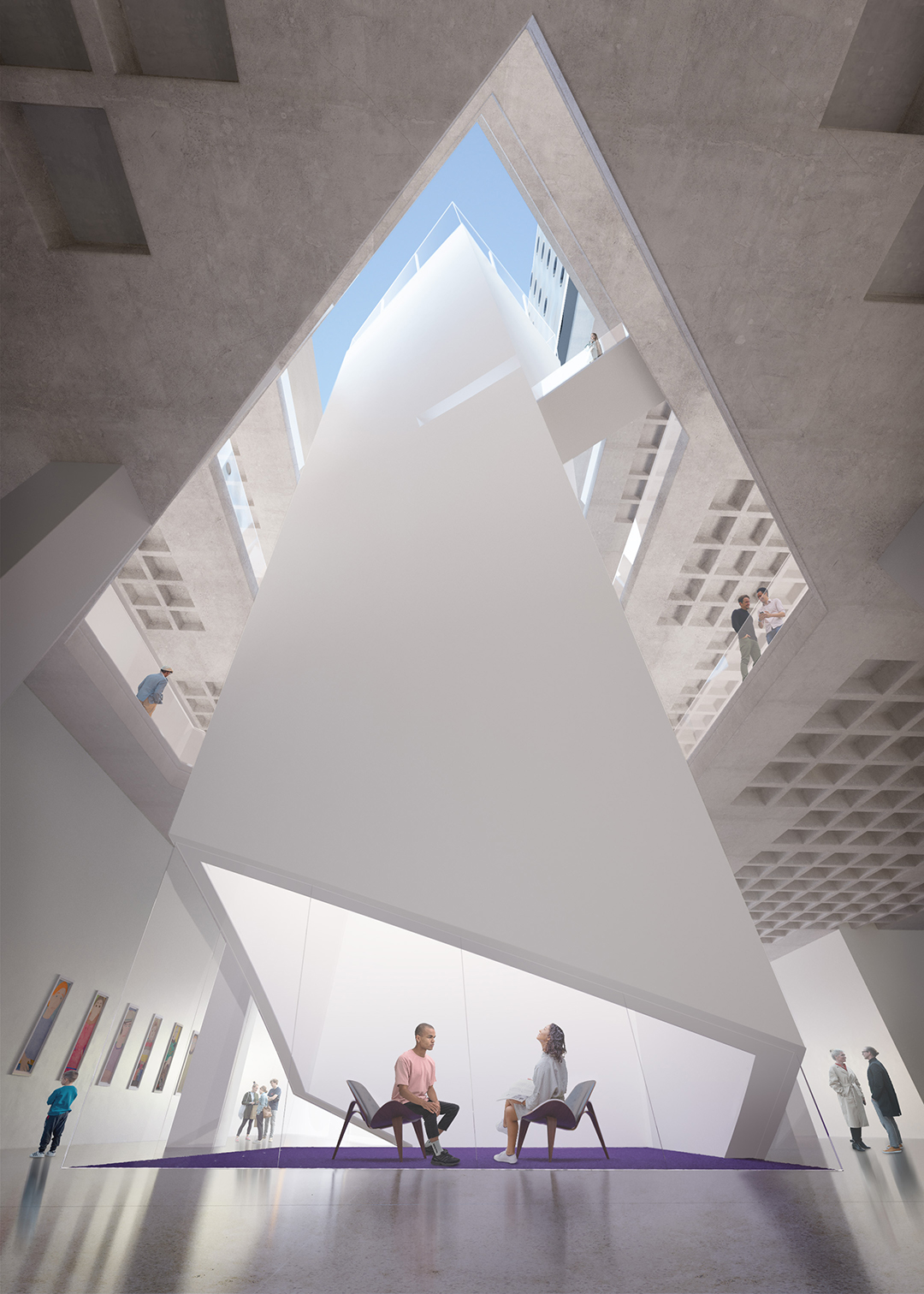
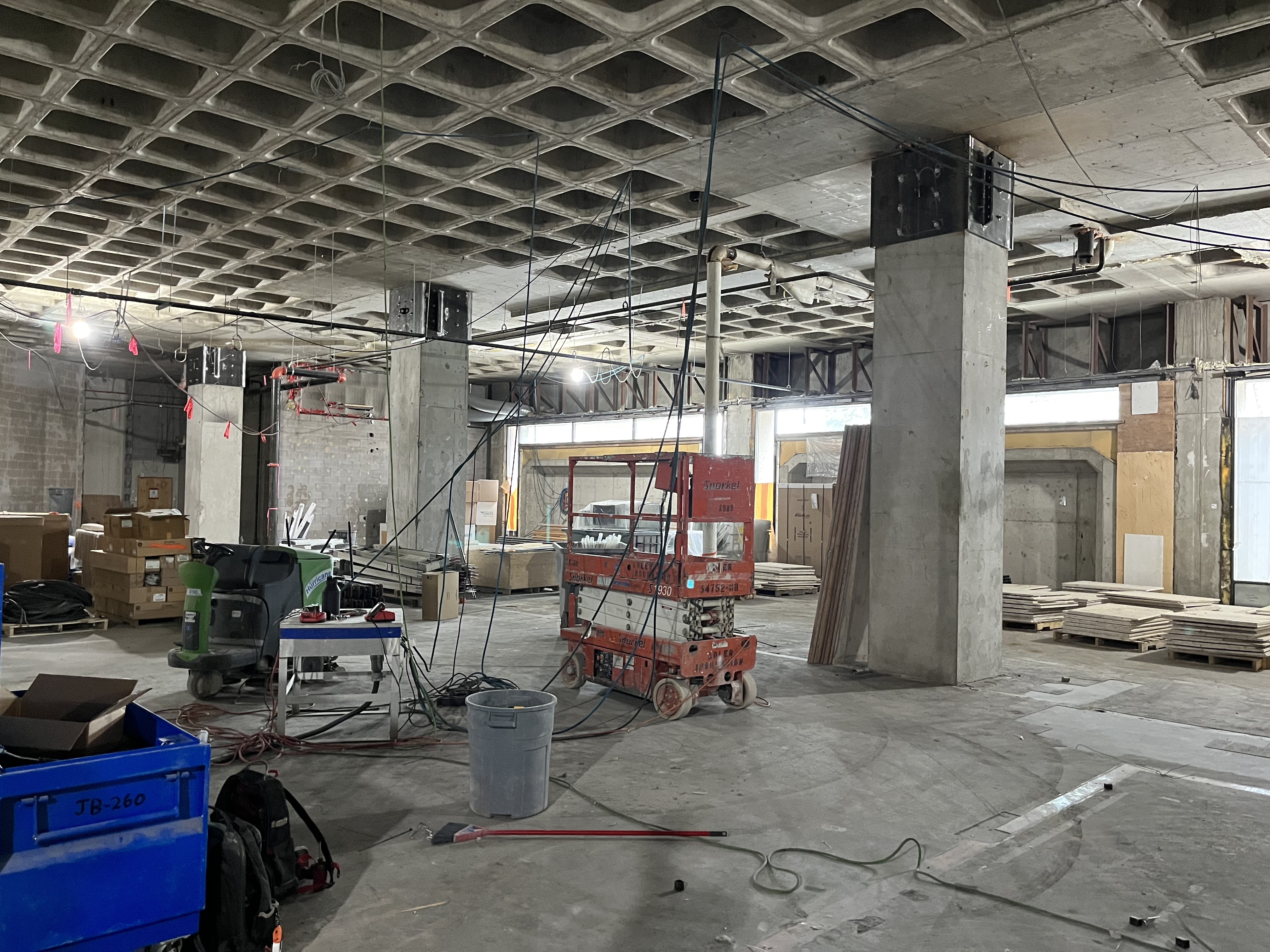
The original, overbuilt floor plates will be exposed to feature the original waffle slab ceiling on every level. The demolition of the galleries on the third and fourth floors will create a new salon gallery. This change allows the facility to host larger-scale exhibitions. It also provides a new theatre space for film screenings, artist talks, and live performances.
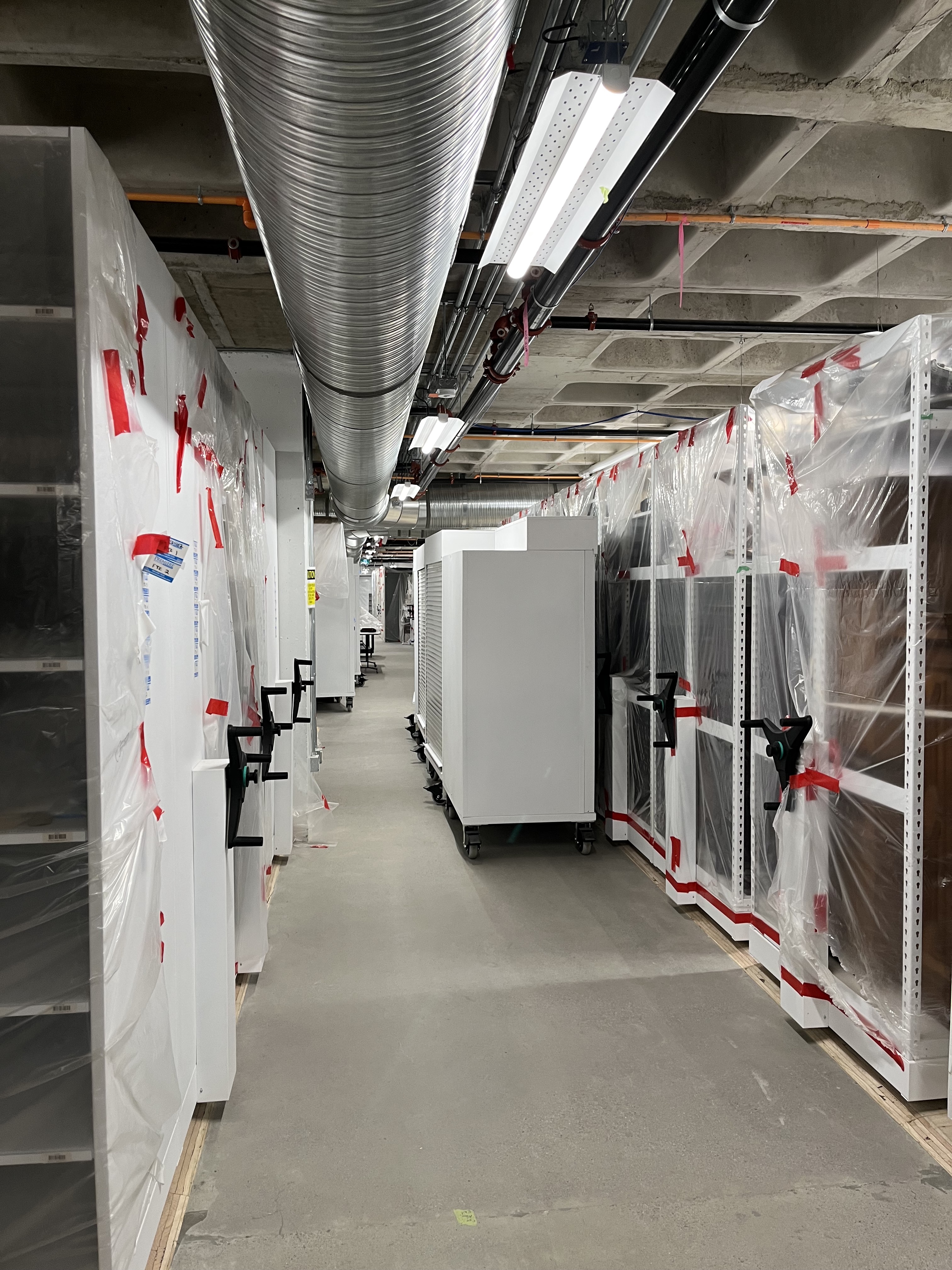
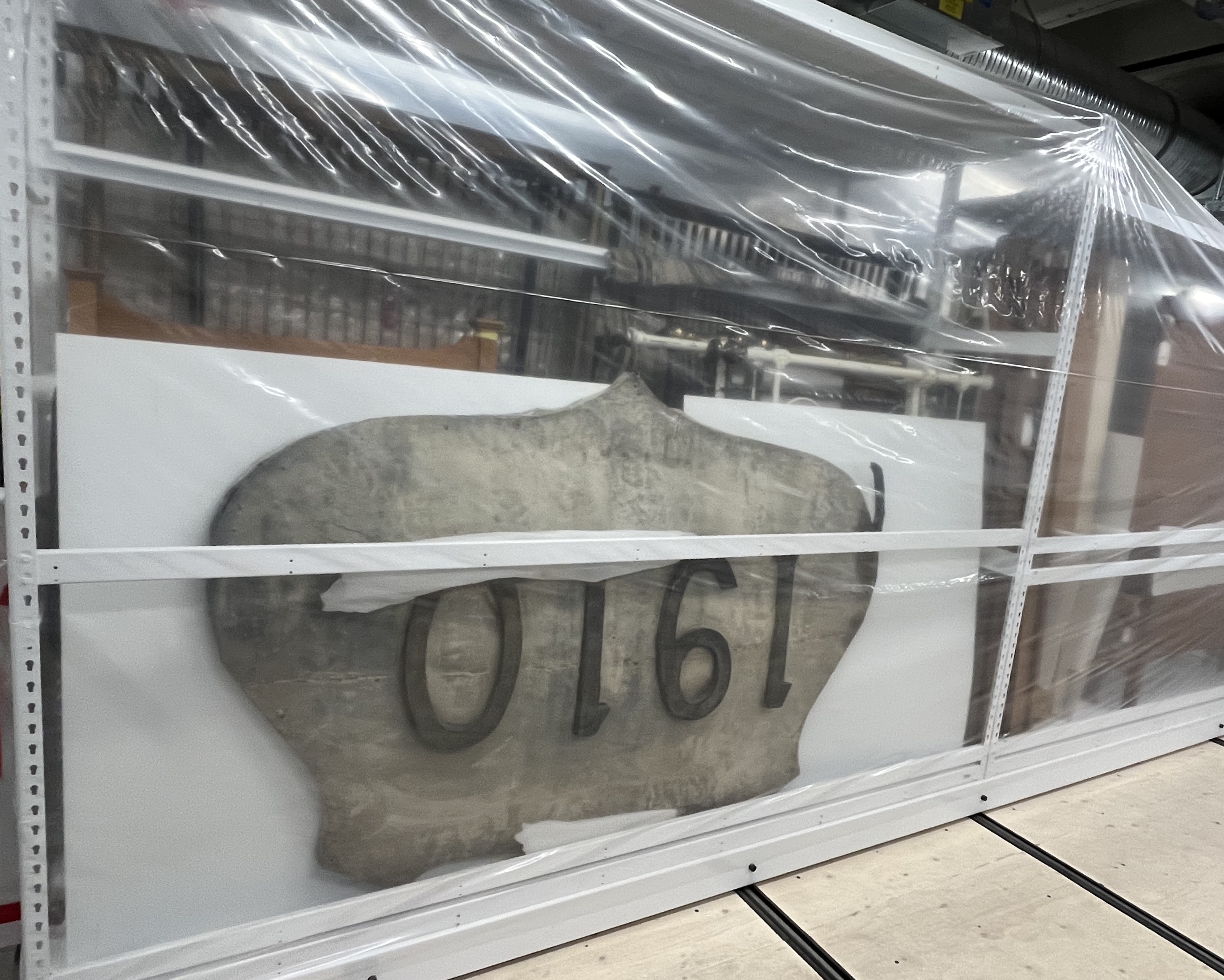
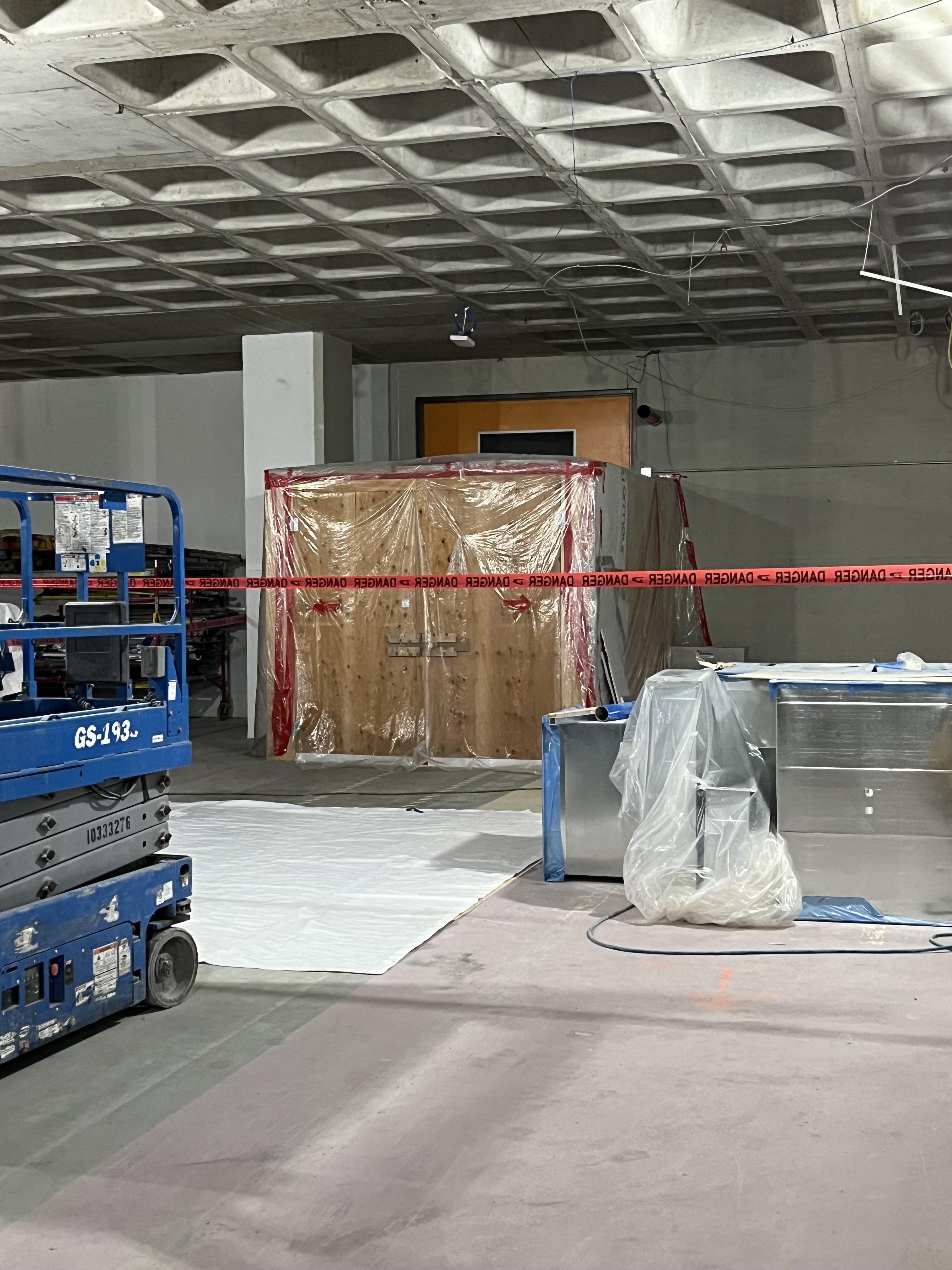
With all this work ongoing, one impressive accomplishment is that the museum continued to house its collection. It holds over 250,000 items. The museum moves and protects the artifacts from dust and other elements of the construction process.
Sustainable Future
Deciding what to do with the collection was a major consideration. It was a key reason why tearing down the existing building was not an option. Rehabilitation was also a cost-effective alternative. The project has become a model for architectural reuse. It achieves this by incorporating features into the design that leverage its inherent value and promote sustainability.
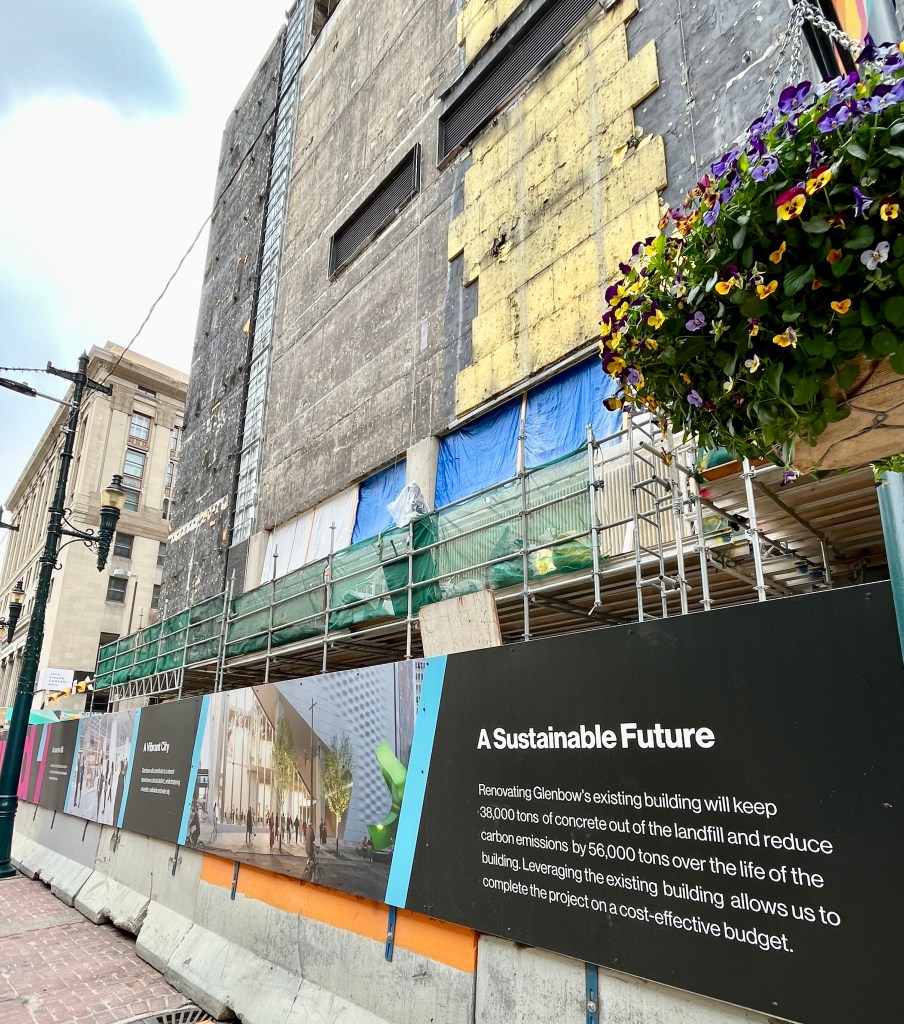
Economically, the future home of Glenbow will increase revenue opportunities. It will also reduce operating expenses. This will be achieved by improving the performance of the building’s envelope and replacing the existing obsolete systems.
Environmentally, it will prevent the production of 56,000 tonnes of new carbon over the lifespan of the building. Additionally, it will keep 38,000 tonnes of concrete out of the landfill. The replaced material will be crushed and resold as aggregate.
Investing in Culture
The Glenbow is not just reframing its infrastructure but its entire relationship to arts and culture. These play a significant role in vibrant communities, contributing to social, economic, and intellectual life.
All levels of government, including The City of Calgary, recognized this and are investing in the project. They are working alongside the Arts Commons Transformation (ACT) as part of the Greater Downtown Plan. These projects will act as an anchor for a new Culture + Entertainment District.
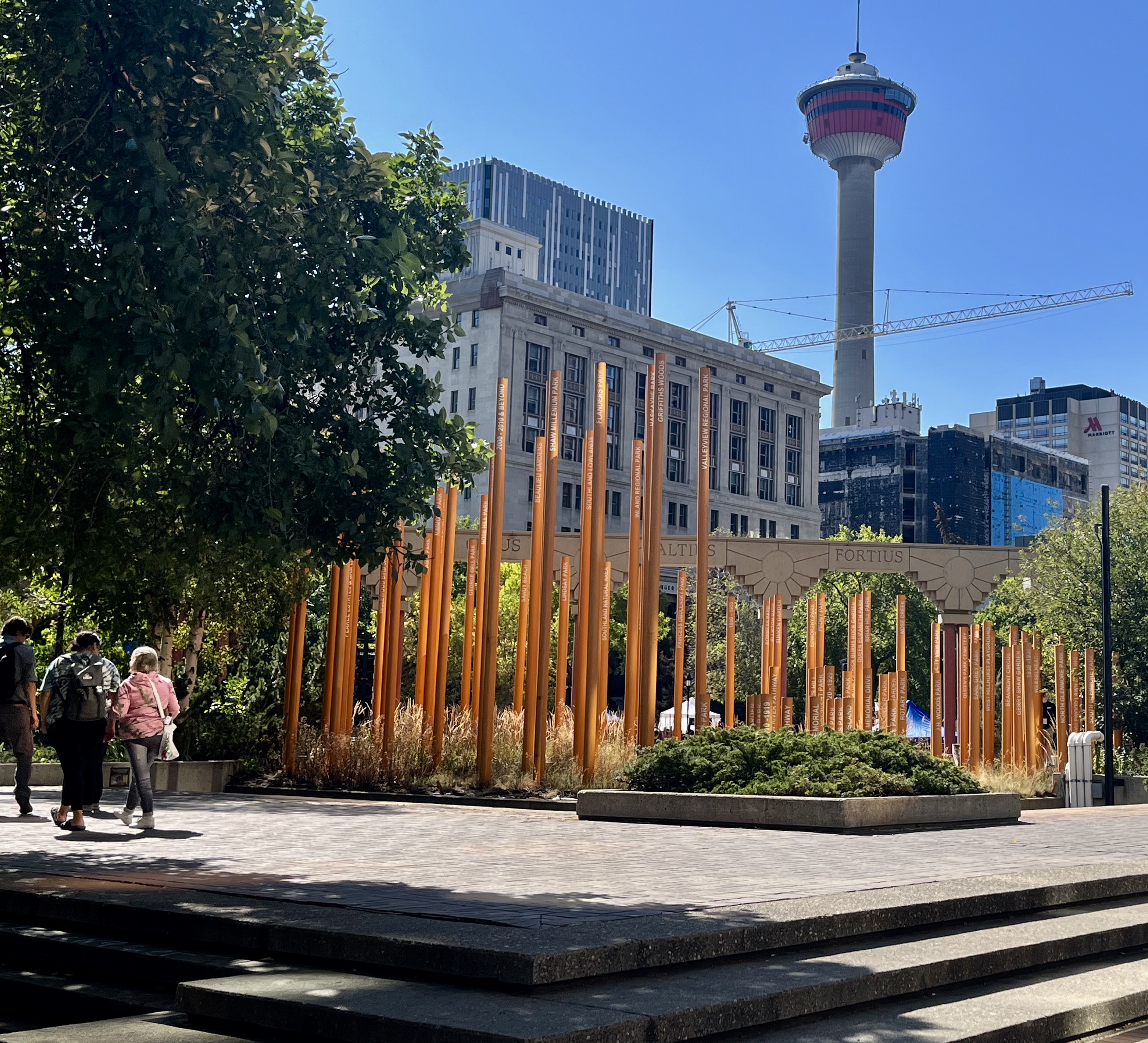
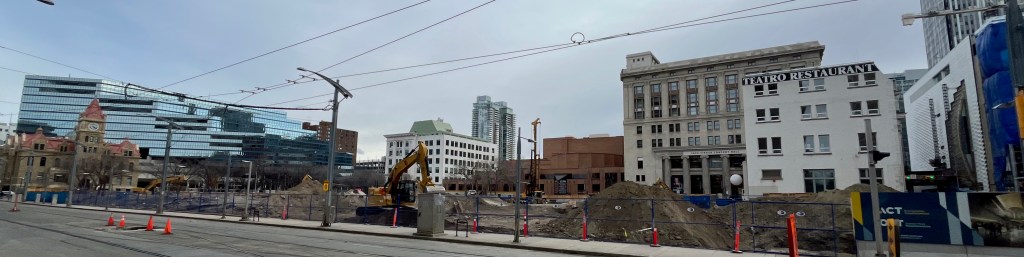
Update: Olympic Plaza was flattened in March 2025. Work has begun across the street for Arts Commons to welcome a new era as Werlund Centre.
NEXT STEPS – WHERE TO GO FROM HERE
See what else is Behind Stephen Avenue or explore Arts Commons across the street. You are within walking distance of other public art installations. You can visit urban lookouts like Wonderland – Tallest Buildings and Emergent – Towers.
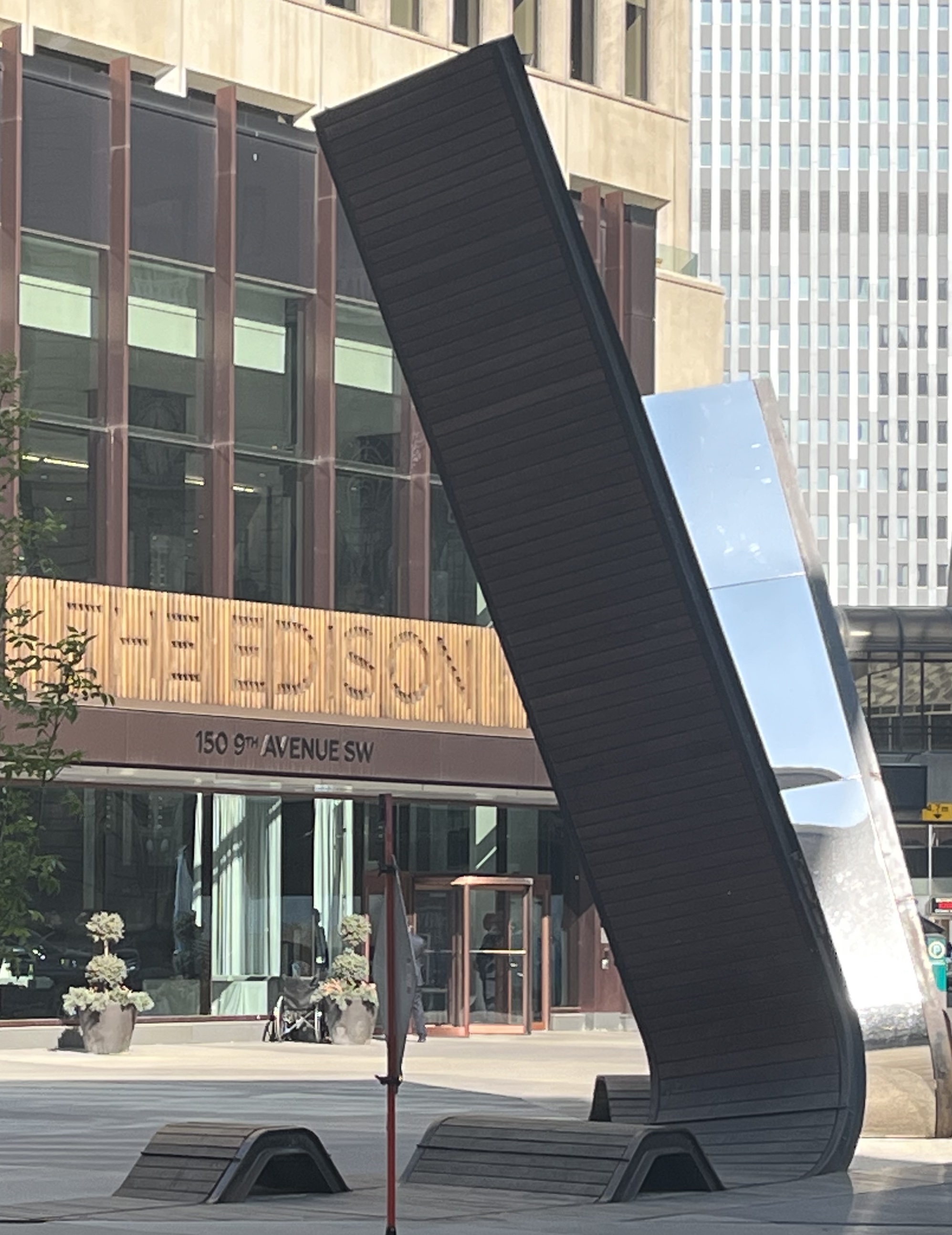
Emergent – Towers is located in the plaza of The Edison. During renovations, you can explore Glenbow at The Edison. It is a temporary gallery space on the 2nd floor that hosts travelling exhibitions.
 The Urban Explorer