
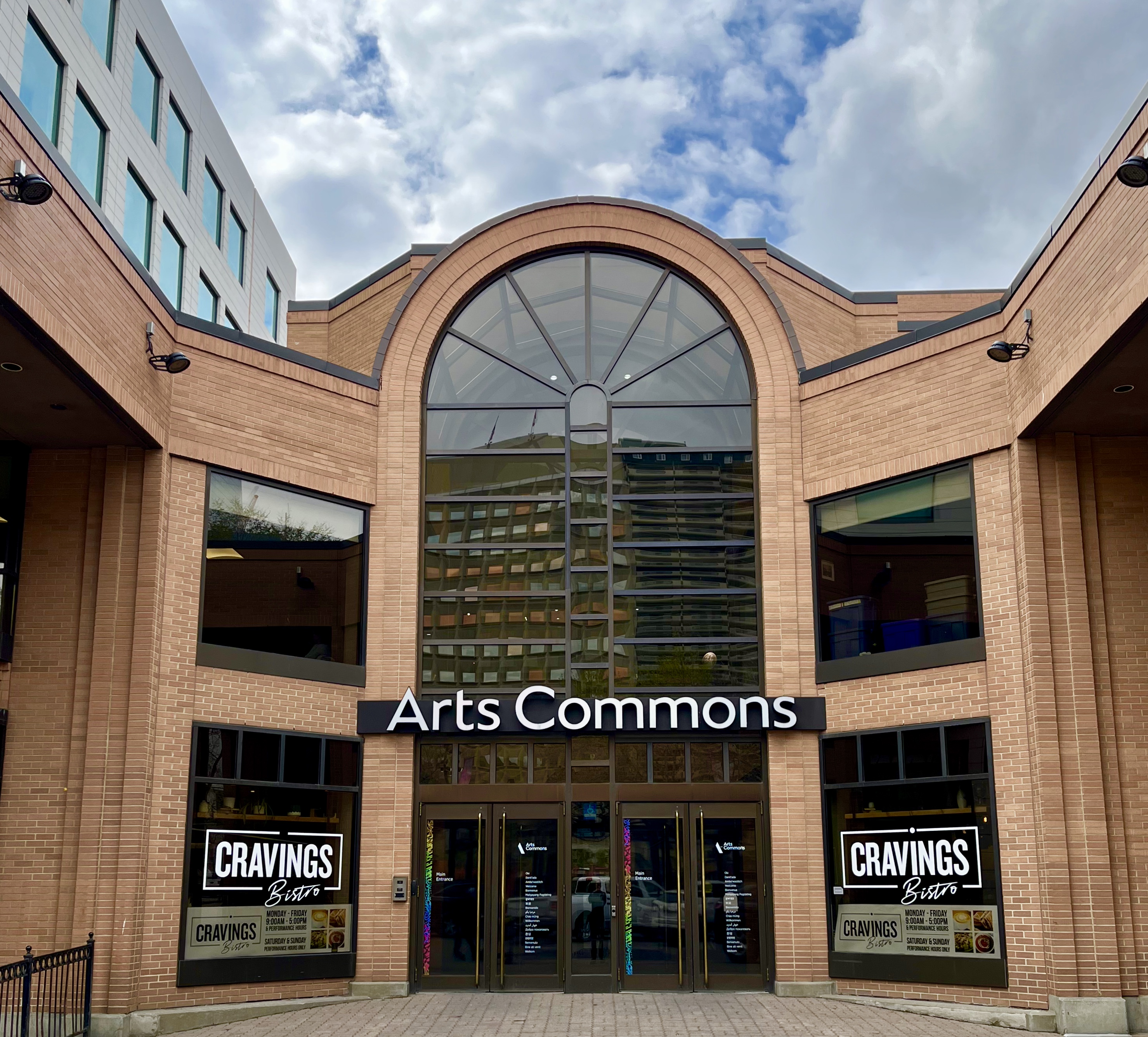
This guide examines the history of Arts Commons and explores this destination on Stephen Avenue. Significant for its role in the development of the arts and culture in the city. Its imminent transformation will impact more than the city block it occupies.
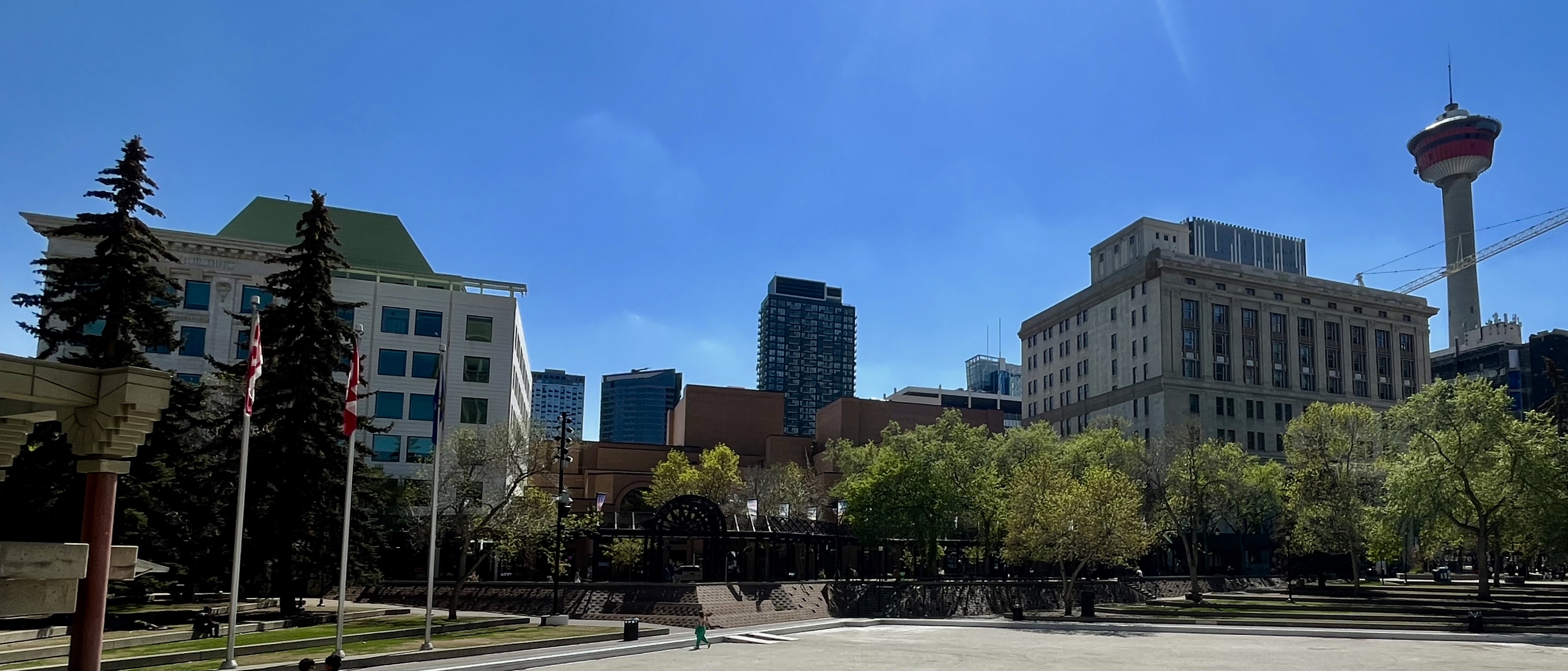
It is located across the street from historic City Hall and overlooks Olympic Plaza. A common area for community gatherings and events since it hosted medal ceremonies for the 1988 Olympics.
It is a multi-venue centre for the Arts, expanding beyond the performing arts to a wider variety of sound, media, visual art, movement and other genres. It also boasts the cleanest air of any indoor urban environment in the city.
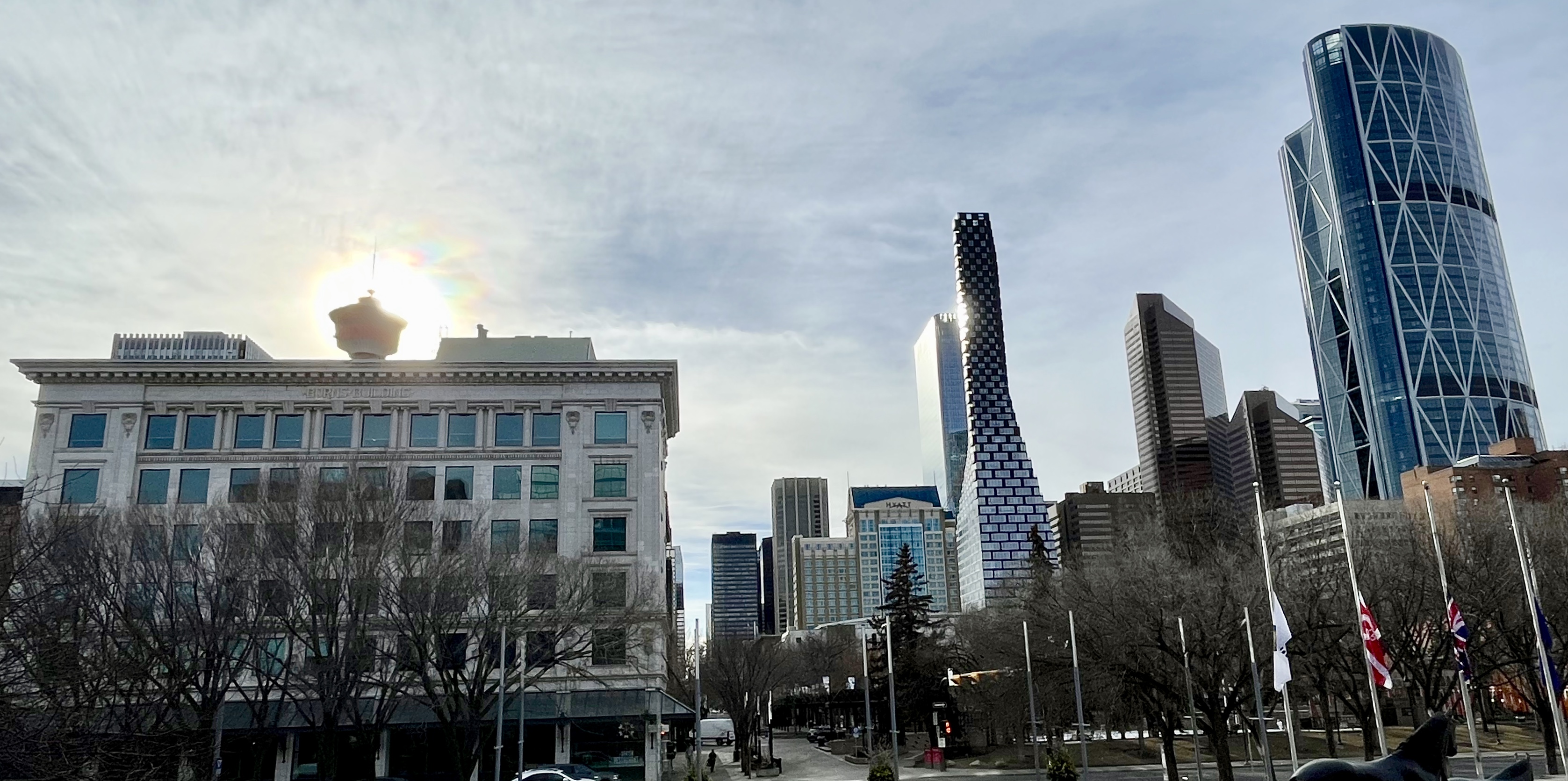
The creation of Arts Commons saved a heritage resource. It prevented the Burns Building from demolition by incorporating it into its design. The design also included the historic Public Building.
HISTORY
In 1970, Martha Cohen, Vera Swanson, and Sandra LeBlanc formed the Calgary Region Arts Foundation. This committee would shape the future of the arts in Calgary. They raised 16 million dollars. This achievement surmounted the biggest challenge to getting the project off the ground. It compelled the province and Peter Lougheed to make good on the promise to build a Performing Arts Centre.
The City of Calgary provided the land, which is located in the downtown core. It is on the previous site of the Empress Theatre. Some elements of the Empress Theatre remain in the new Engineered Air Theatre. The newly created Calgary Centre for Performing Arts was officially opened on 14 September 1985. It provides a home for Theatre Calgary, Alberta Theatre Projects and the Calgary Philharmonic Orchestra.
EXPLORING
Inside Arts Commons is more than just a space for patrons. You encounter installations, murals, and galleries that are free to explore. Unlike any venue of its kind, members of the public travel through the facility using the +15 system. This provides unique opportunities for community-driven exhibitions. These exhibitions feature the work of emerging artists and curators.
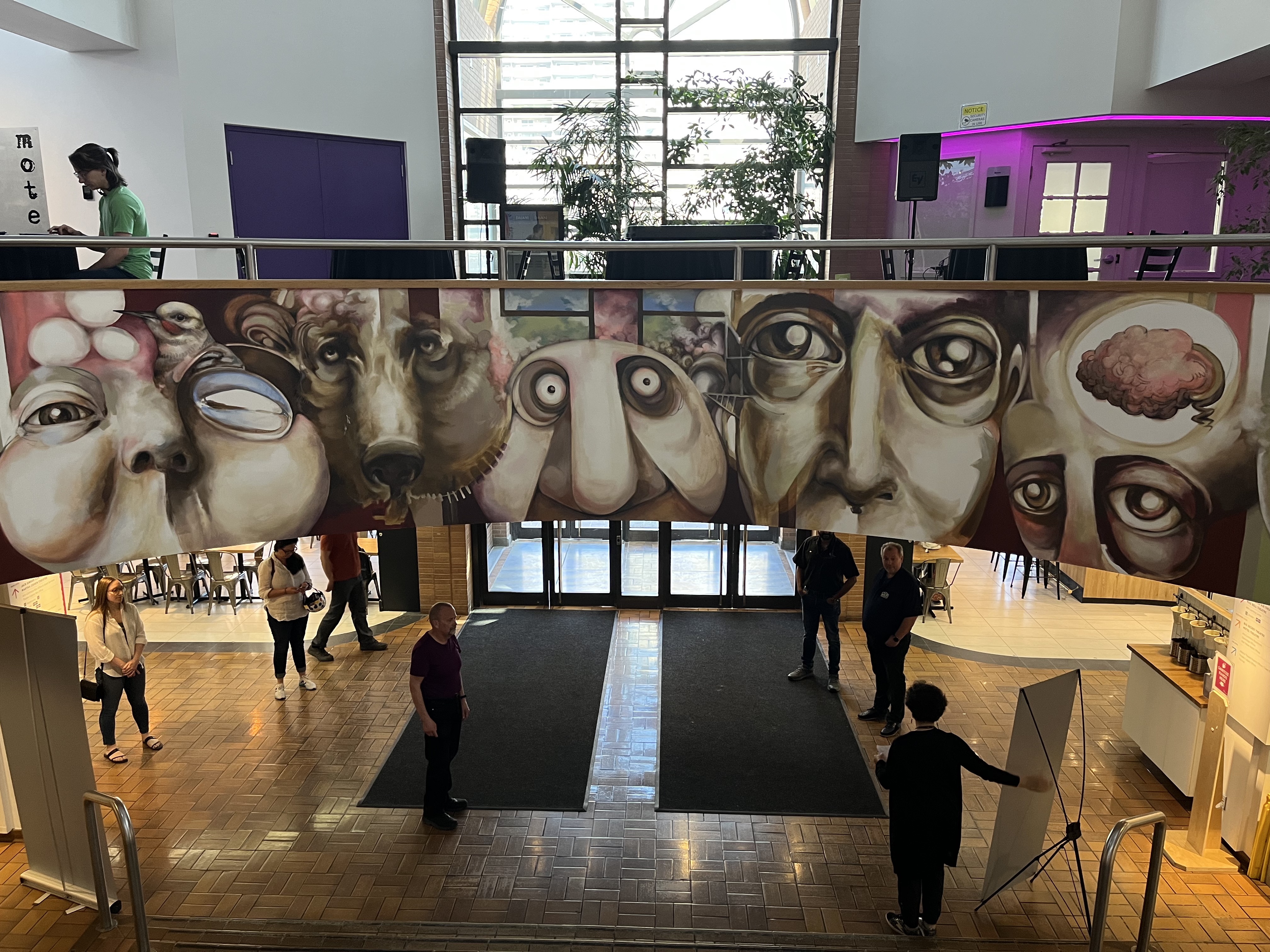
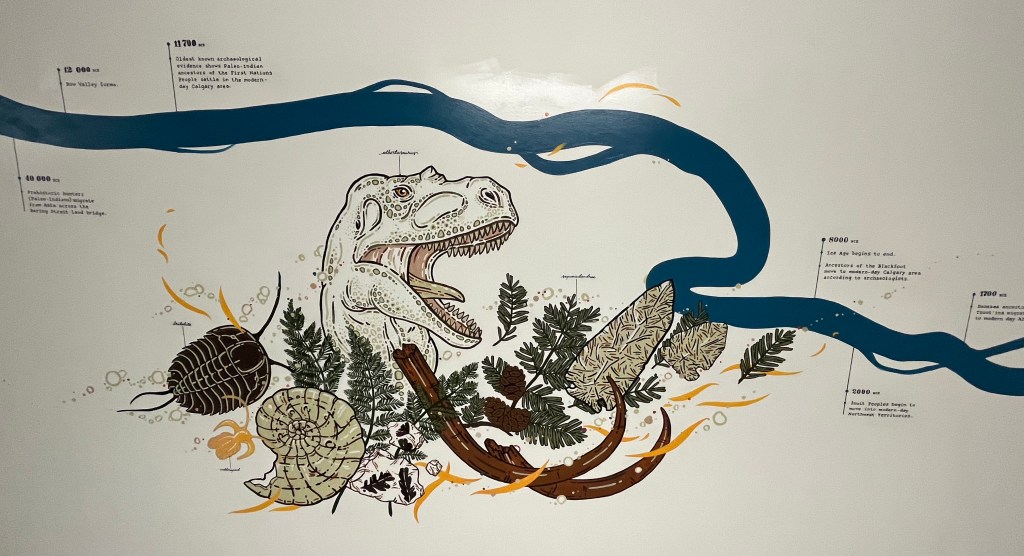
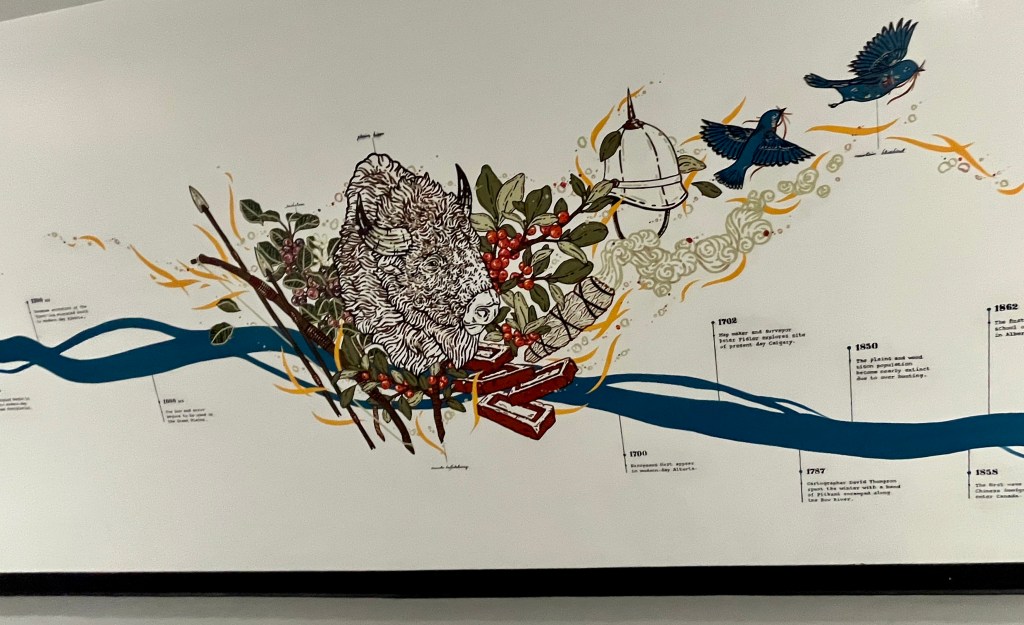
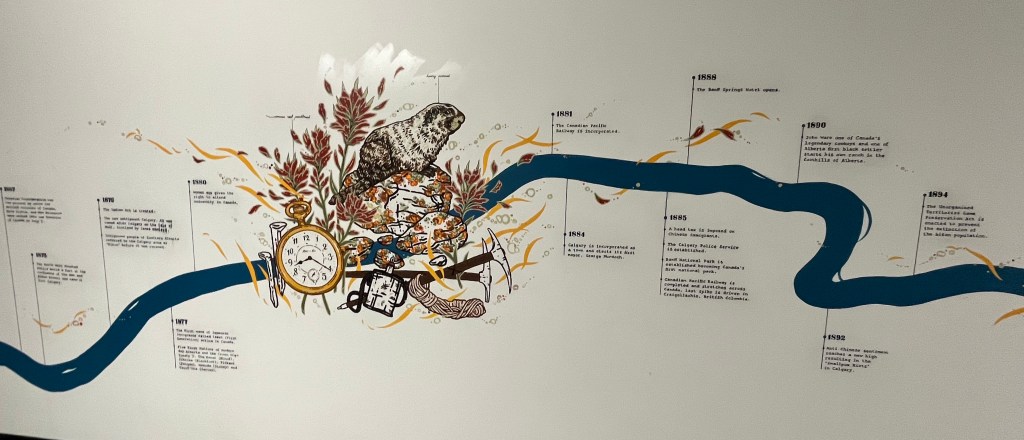
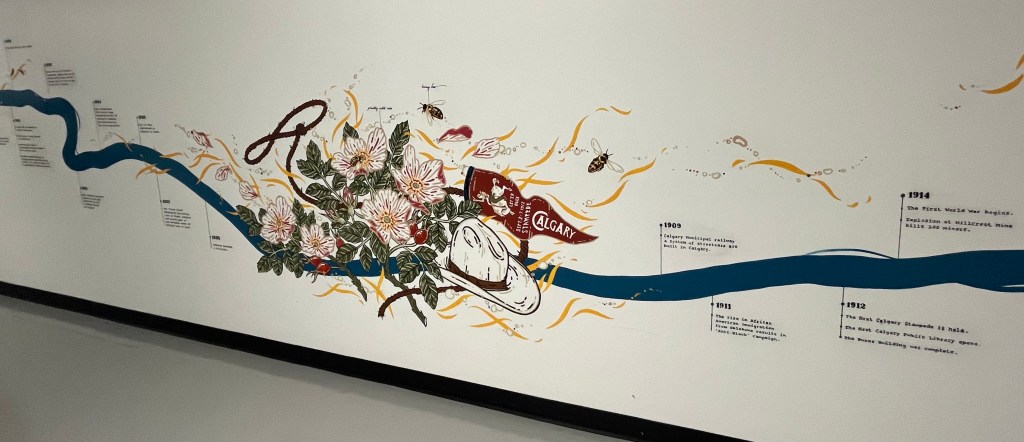
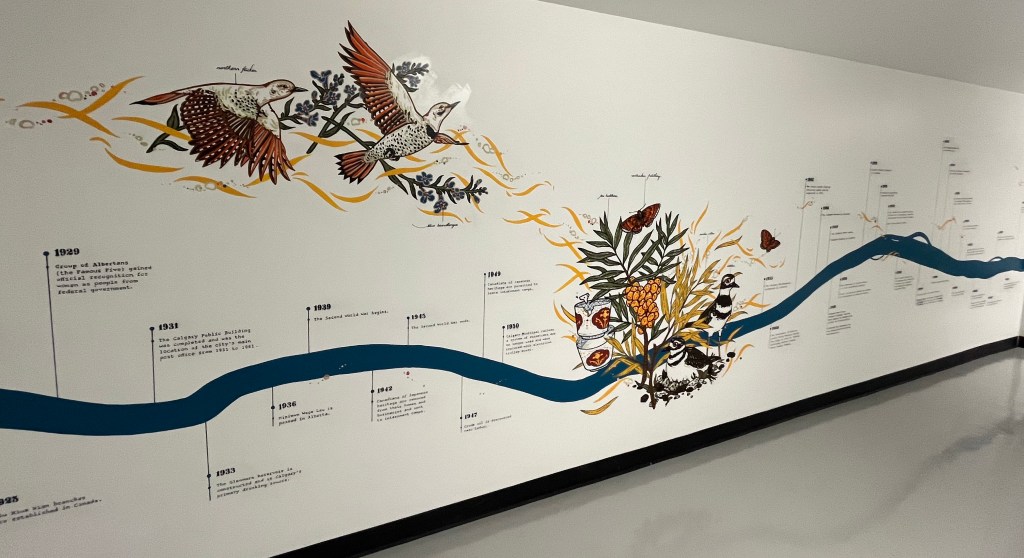
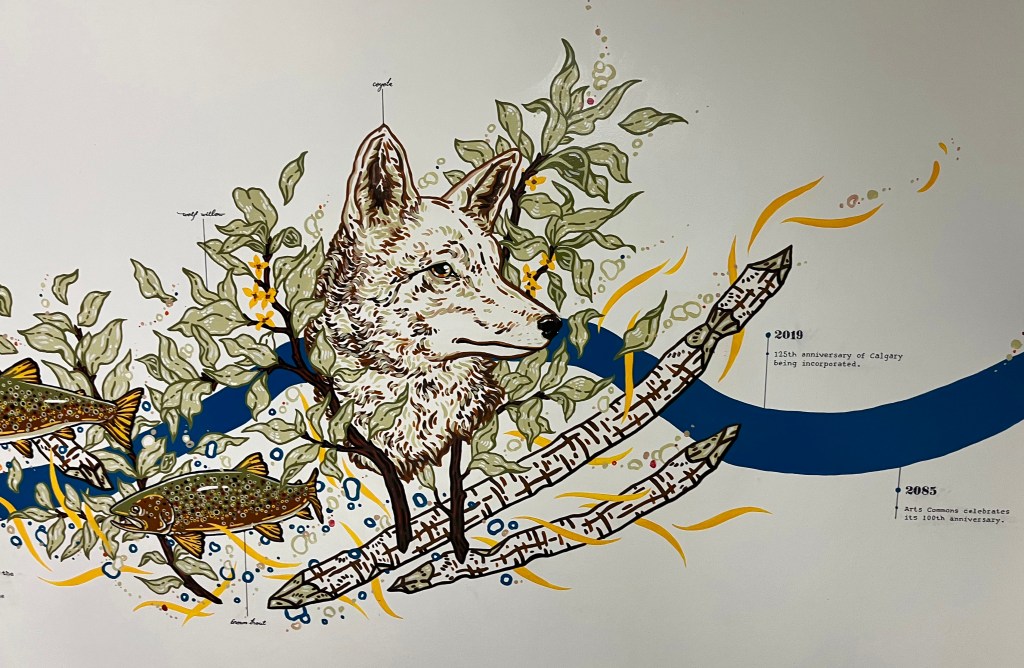
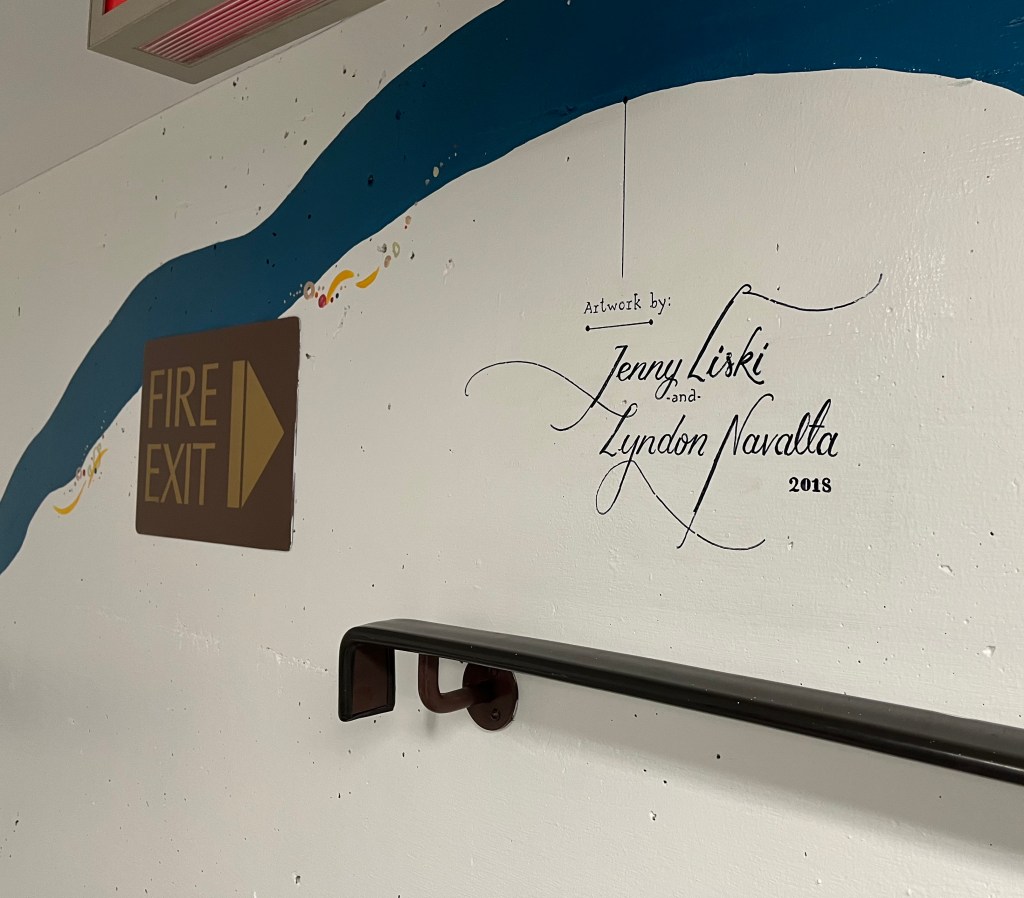
Away from public eyes, down in the basement, you can find a mural. It depicts a timeline dating from the time of the dinosaurs to the 100th anniversary of the centre in 2085. Exploring further into the basement, you find a state-of-the-art HVAC system.
CLEANEST AIR IN THE CITY
A fully automated system monitors the temperature to maintain an optimum 21 degrees. It adds water with an ultrasonic humidification system. This system conditions the air with micron-sized water particles. The venue is kept at a constant humidity to protect the instruments of the Calgary Philharmonic Orchestra. The system moves and cleans 220,000 litres of air per second around the 560,000-square-foot facility. This is more than many towers downtown that have a larger footprint.
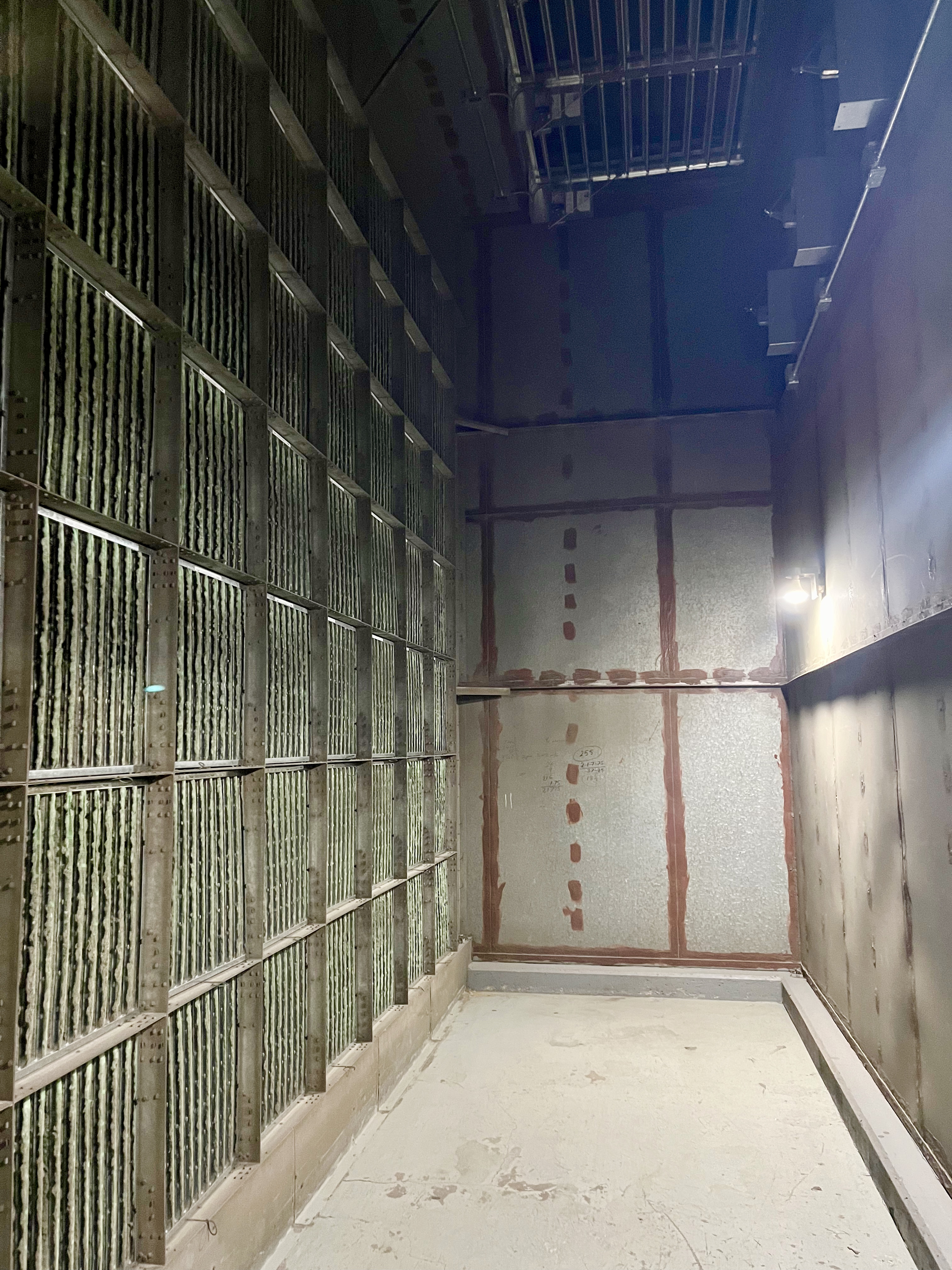
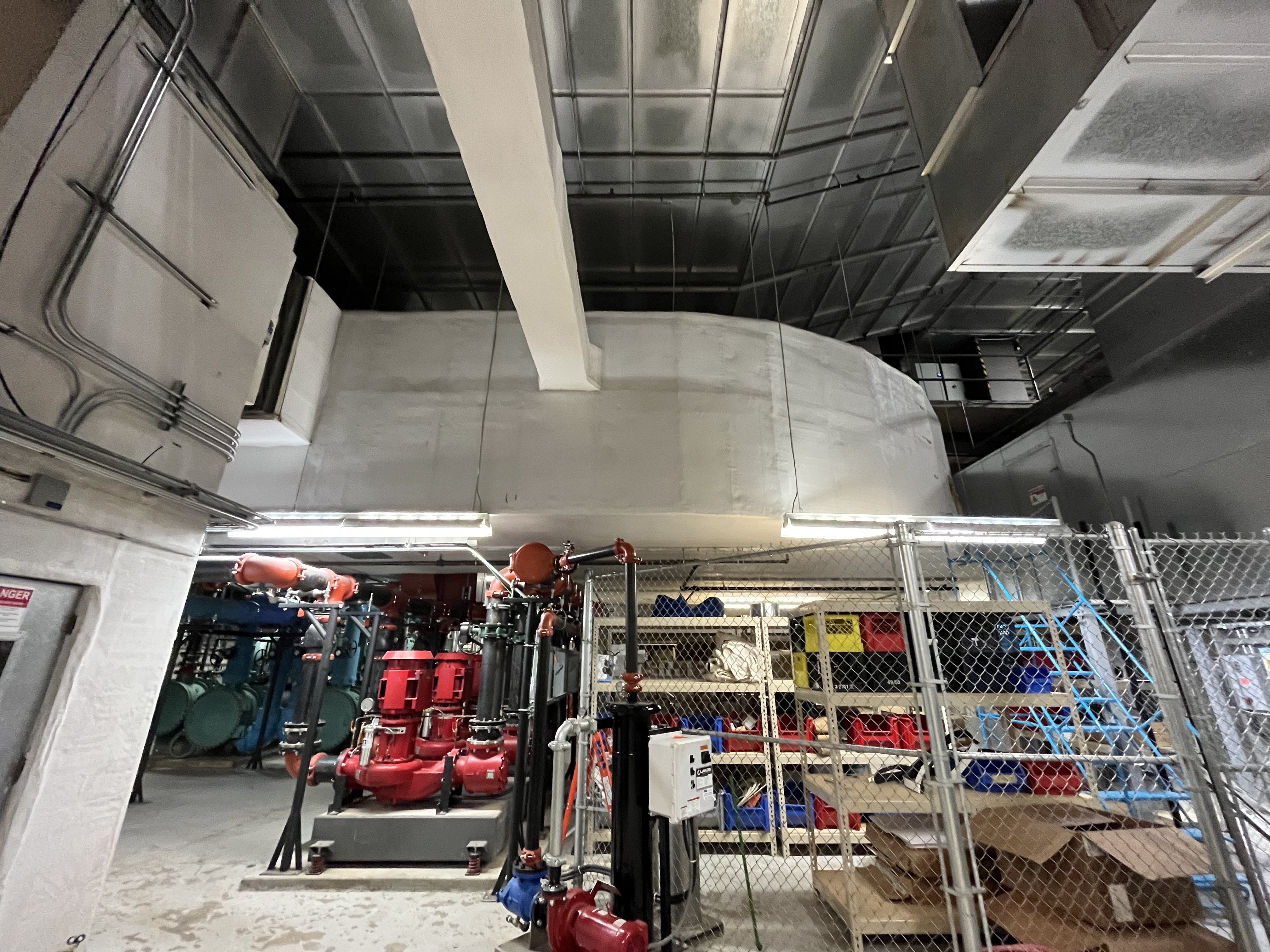
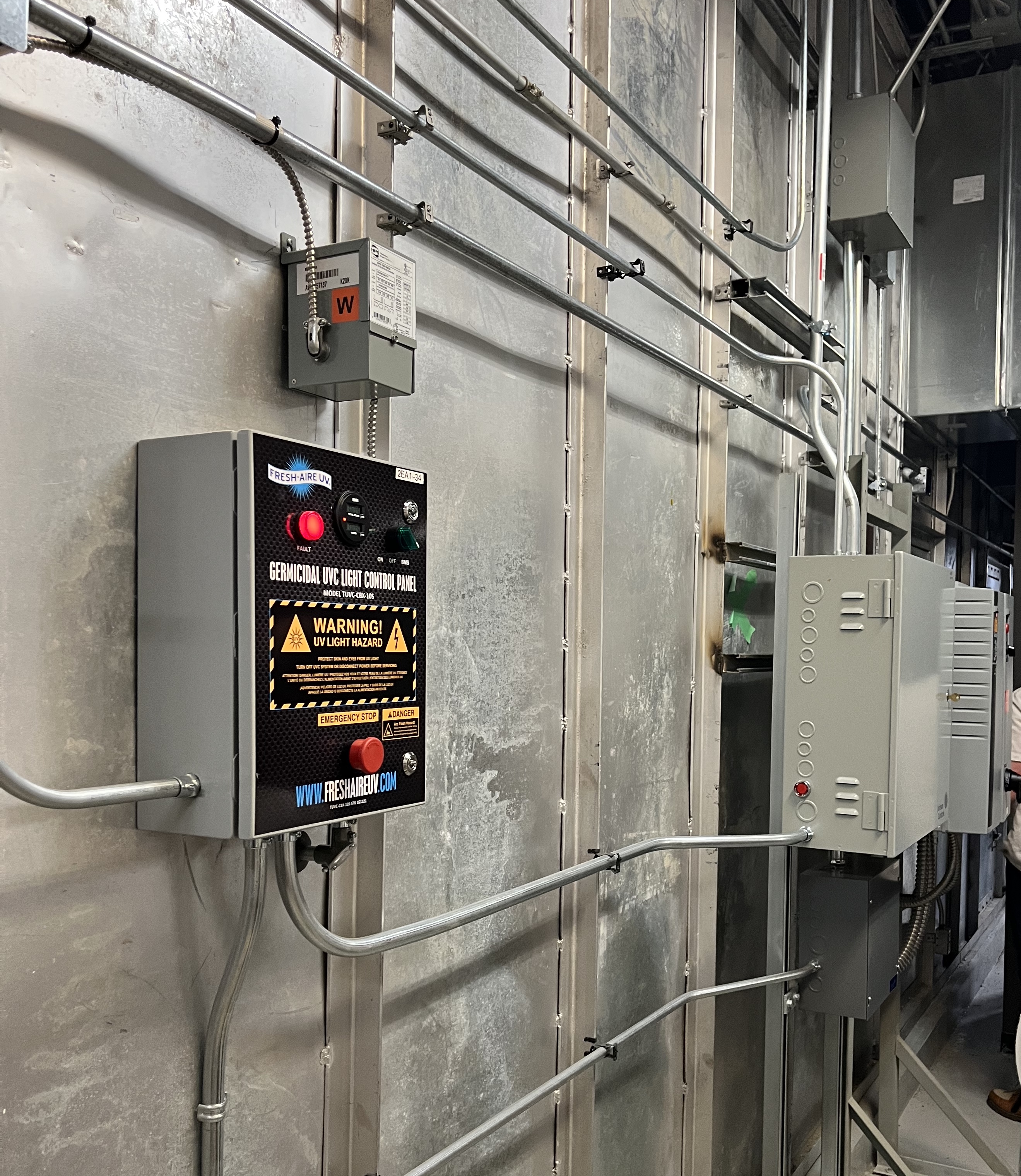
The air flows through a dual duct system. Each giant duct can be as large as 30 feet. These ducts play a role along with a bank of MERV 15A filters. UVC lights kill organic matter. Together, the system ensures that the air inside the building is nearly free of dust, mould, bacteria, and viruses.
VENUES
Jack Singer Concert Hall, with 1,800 seats, is home to the Calgary Philharmonic Orchestra. An acoustical canopy made of laminated spruce-wood, weighing 185,000 pounds, is suspended above the stage. It can be adjusted to tune the hall according to the specific needs of each performer.
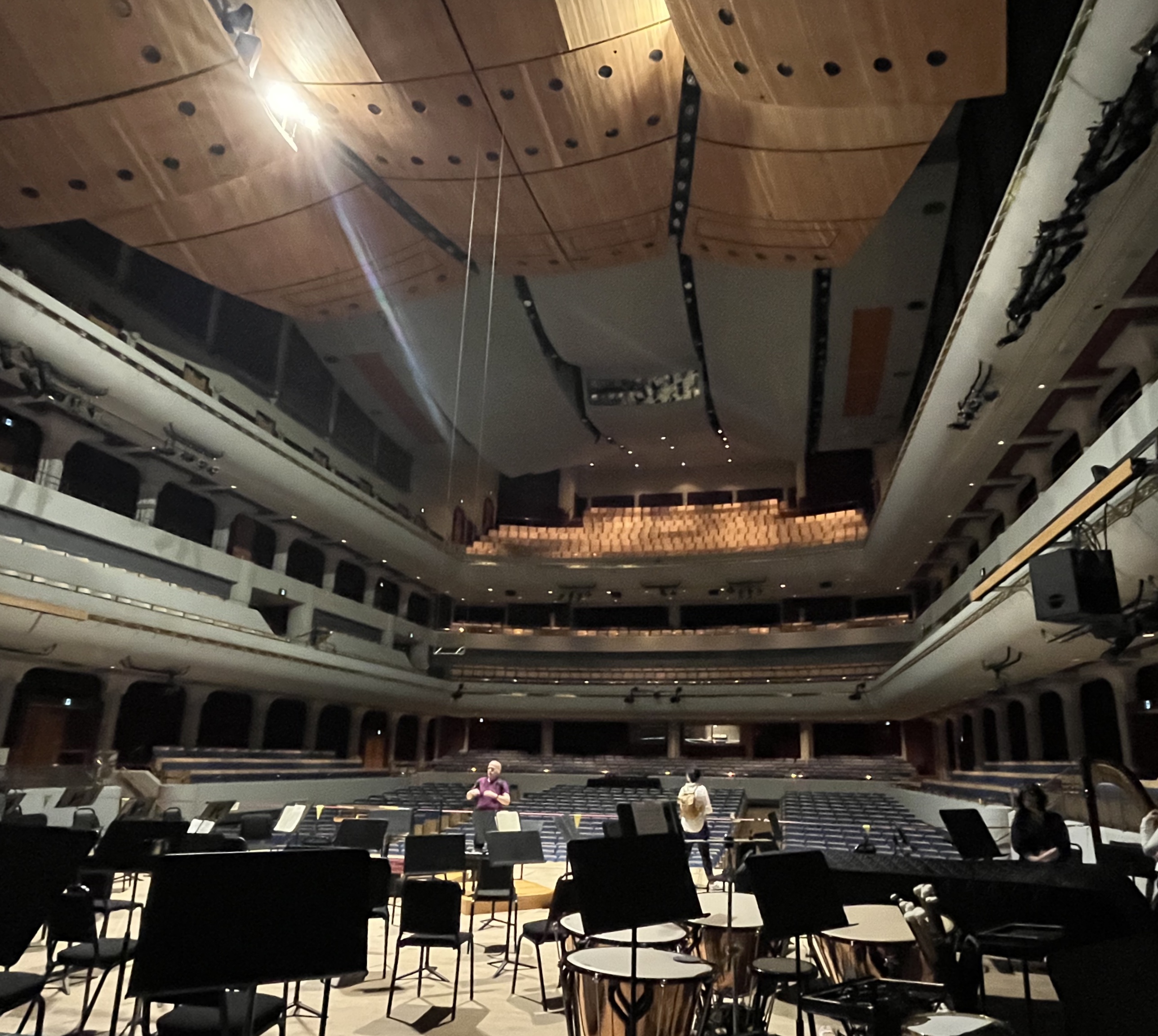
The Jack Singer Concert Hall underwent a complete overhaul during the pandemic shutdown. The speaker and electrical system were updated to support more powerful components. A line and subwoofer array system were added. This system increases the ability to reproduce low frequencies for rock and pop shows while still meeting the nuanced requirements of the Calgary Philharmonic Orchestra.
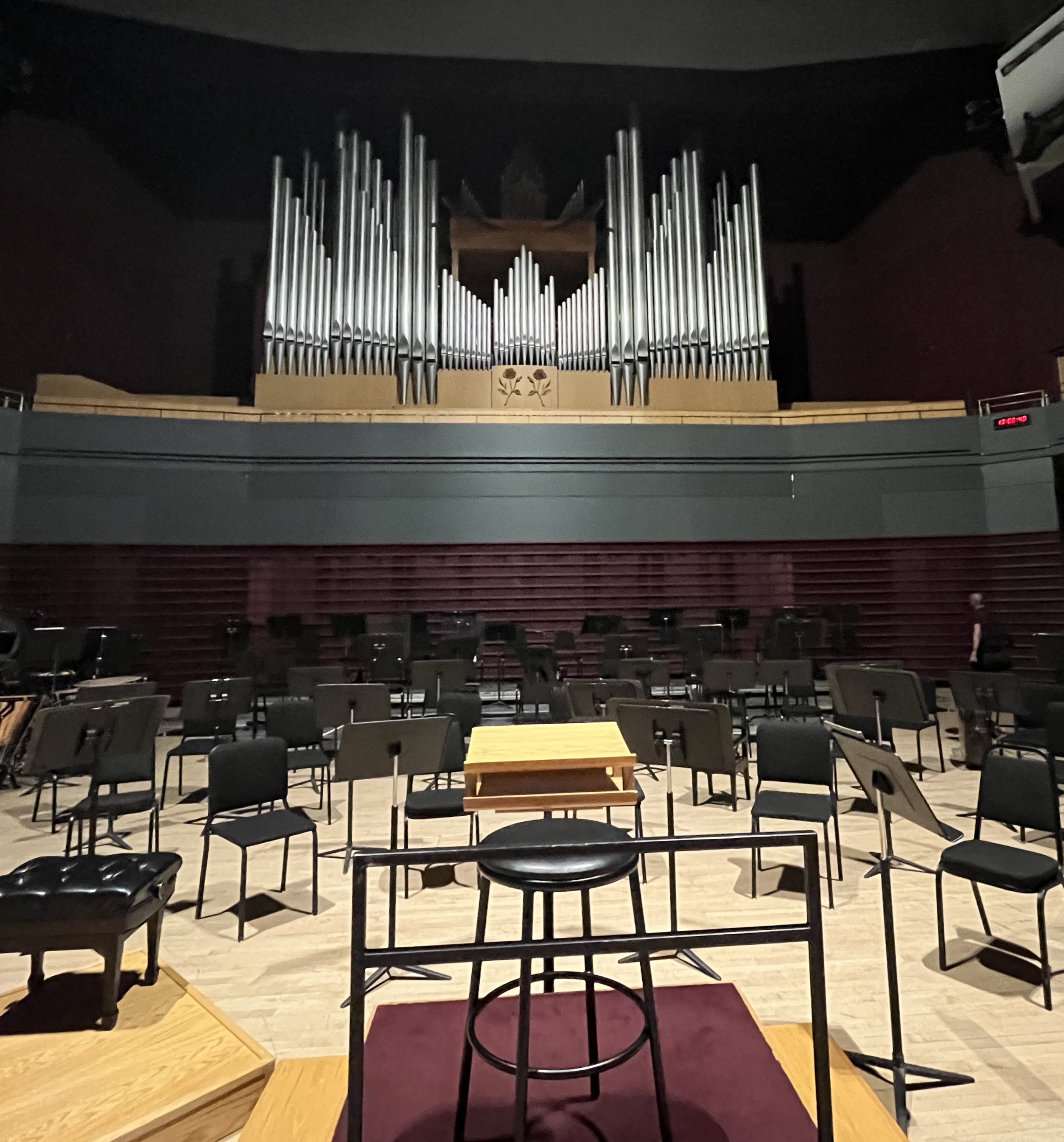
The 6040 pipe Carthy Organ took fifteen months to build. It took an extra four months to assemble. The organ also received a visual upgrade. LED lights can illuminate the organ with an array of colour customizability.
Max Bell Theatre is a 750-seat theatre that is home to Theatre Calgary.
Martha Cohen Theatre is a 418-seat theatre. Home to Alberta Theatre Projects (ATP).
Big Secret Theatre is a 190-seat theatre added in 1995.
Engineered Air Theatre, added in 1994, seats up to 185 theatre-style.
Motel Theatre is a 50-seat black box. A multi-purpose venue used for plays, experimental theatre and performance art added in 2005.
HISTORICAL & HERITAGE RESOURCES
Pat Burns started construction on the Burns Building in April 1912. After the Calgary cattle mogul and Canadian Senator bought the property around 1909. The six-story building embodies the Chicago style of architecture in its reinforced concrete framing. It features a grid-like fenestration pattern, terra cotta decorative elements and a prominent upper-level cornice.
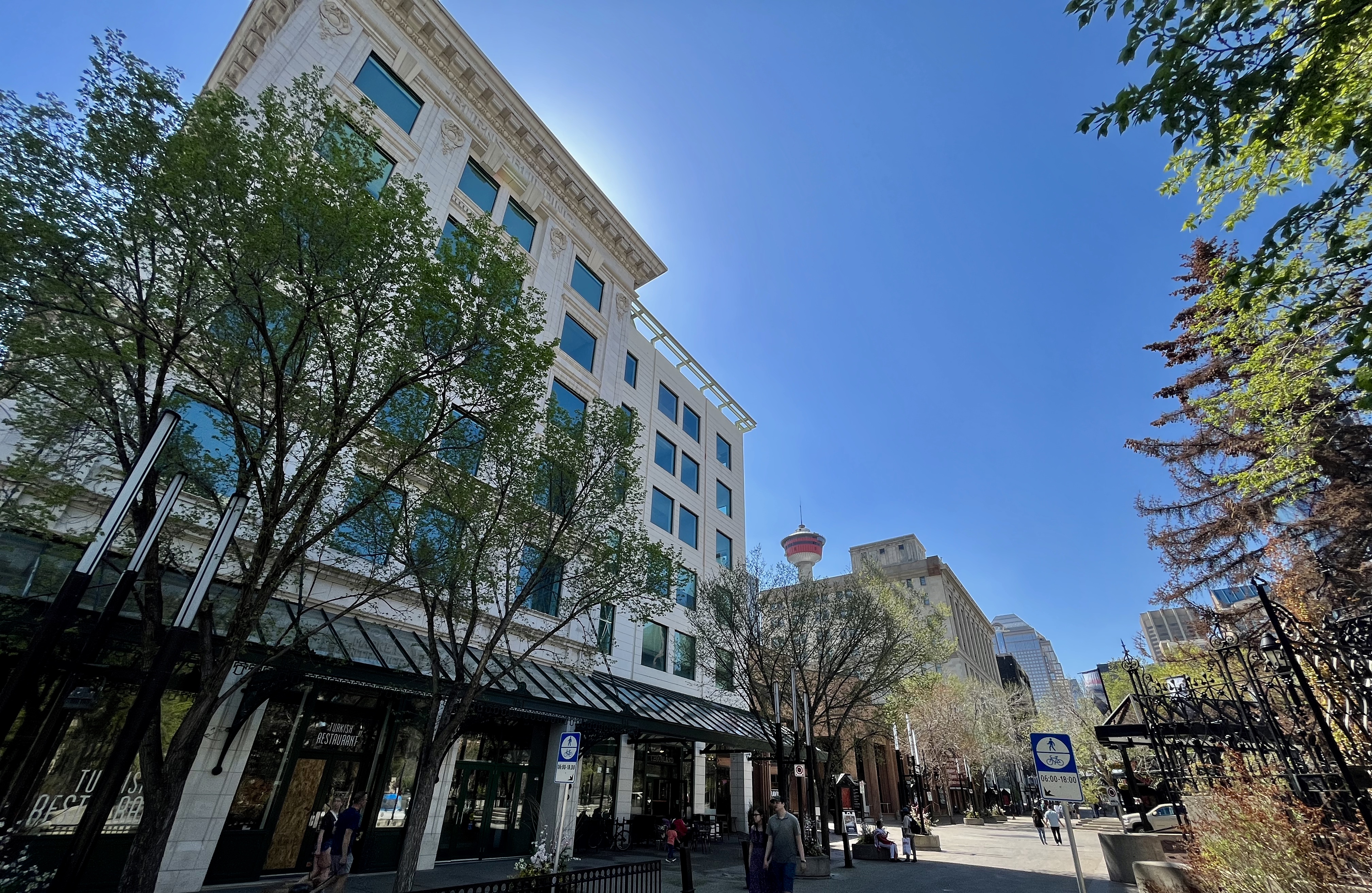
The building served as the corporate headquarters for Burns Foods. It included a flagship retail meat market on the ground level. The remaining office space was leased to various prominent tenants.
The building was on the verge of demolition until a single city council vote defeated the proposal. Ultimately, the Burns and Public Building were saved and incorporated into the Centre for Performing Arts. After extensive renovations between 1981 and 1984, it was officially designated a Provincial Heritage Resource in 1987.
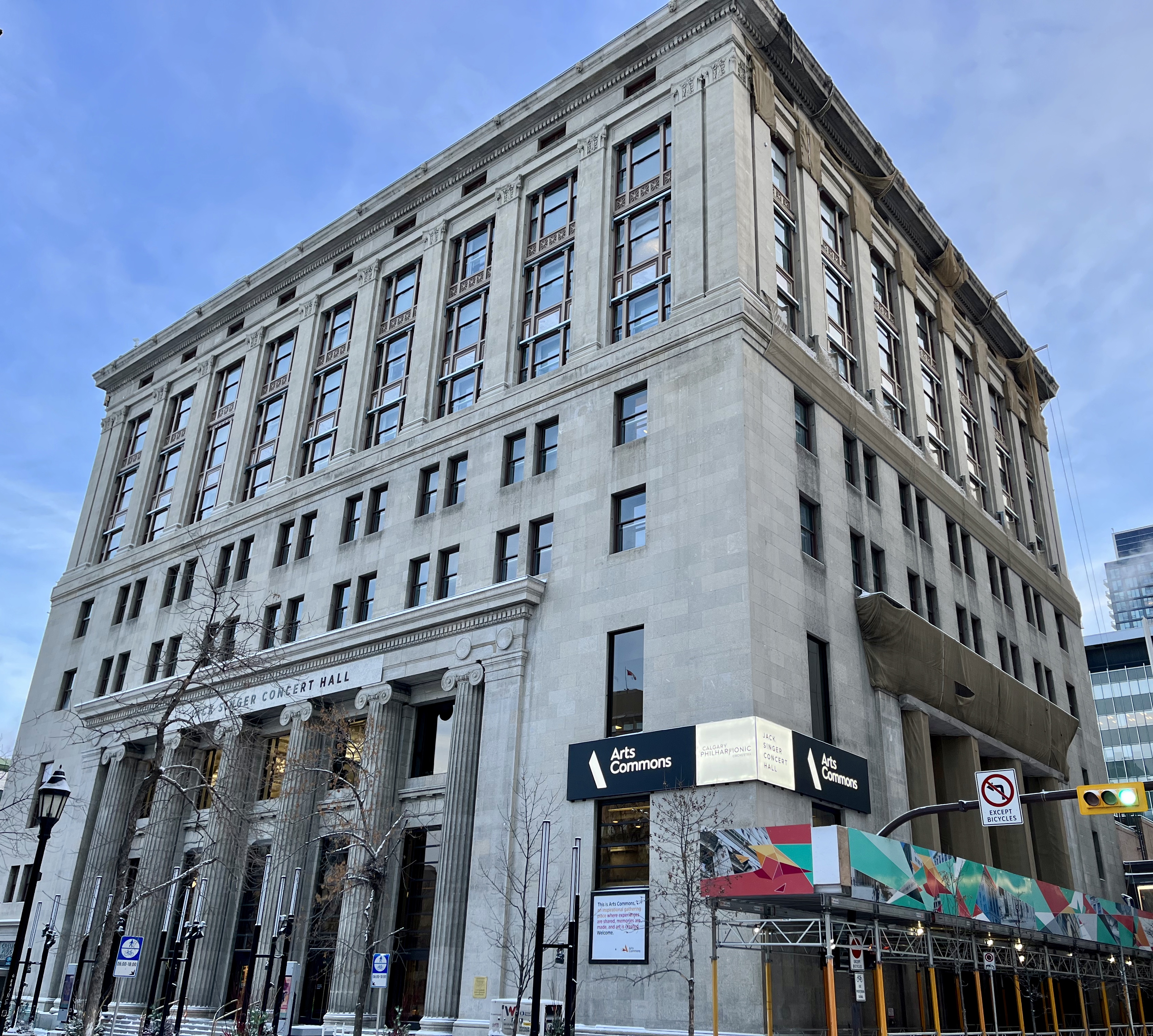
The Public Building is an eight-storey masonry structure completed in 1931. It is historically significant for its role as the primary office building for the federal government in Calgary until 1979. It was also the location of the main Post Office from 1931 to 1961. This made it one of the most prominent buildings in the city. The property was designated a Municipal Historic Resource in 1996.
The Modern Classical office building is distinguishable by its Tyndall limestone exterior. Massive Ionic columns mark the north and west facades. (Credit: Historicplaces.ca)
ARTS COMMONS TRANSFORMATION
Arts Commons is the third largest arts centre in Canada. It has contributed to social, economic, cultural, and intellectual life for 38 years. The City of Calgary recognizes the role this plays in creating vibrant communities. As a result, they are investing in the Arts Commons Transformation (ACT) as part of the Greater Downtown Plan. This is a catalyst project for a new Culture + Entertainment District.
Arts Commons, the City of Calgary, and CMLC will partner to transform Arts Commons in two phases. Phase one will expand capacity at a new location to the north. It will feature a state-of-the-art performing arts facility. The facility includes a 1,000-seat performance hall, a black box theatre, and an Arts Learning Centre. Phase two will modernize the existing campus, elevating the visitor experience through upgraded amenities and technology.
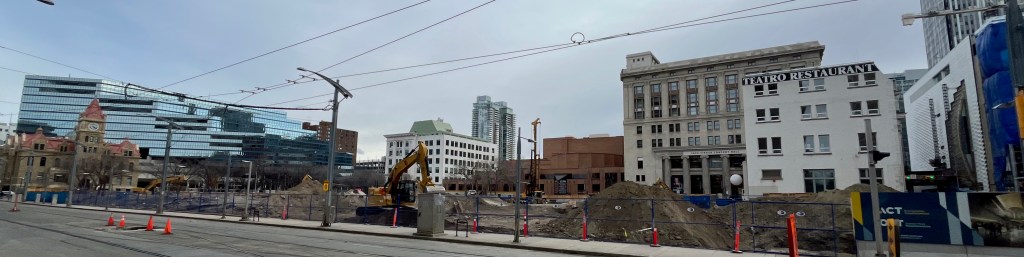
Update March 2025 – Olympic Plaza is flattened. Work has begun for Arts Commons to welcome a new era as Werlund Centre.
NEXT STEPS – WHERE TO GO FROM HERE
Observe the progress of the Reimagined Glenbow across the street. The building is also transforming. It serves as a model for architectural reuse and sustainability. It will re-emerge as the JR Shaw Centre for Arts & Culture.
Explore what else is Behind Stephen Avenue. You are within walking distance of other public art installations and urban lookouts. Visit Wonderland – Tallest Buildings and Emergent – Towers.
 The Urban Explorer