
Calgary has had success preserving prominent examples of its sandstone construction boom. This is achieved through the ongoing use and adaptive reuse of its historic schools. This construction era followed a fire in 1886 that destroyed much of the wood building stock. Learn more and vote for your favourite building at Sandstone City Legacy.
These schools anchor some of the oldest neighbourhoods. This makes them a perfect place to start to explore a historic community.
19 sandstone schools were built between 1894-1914
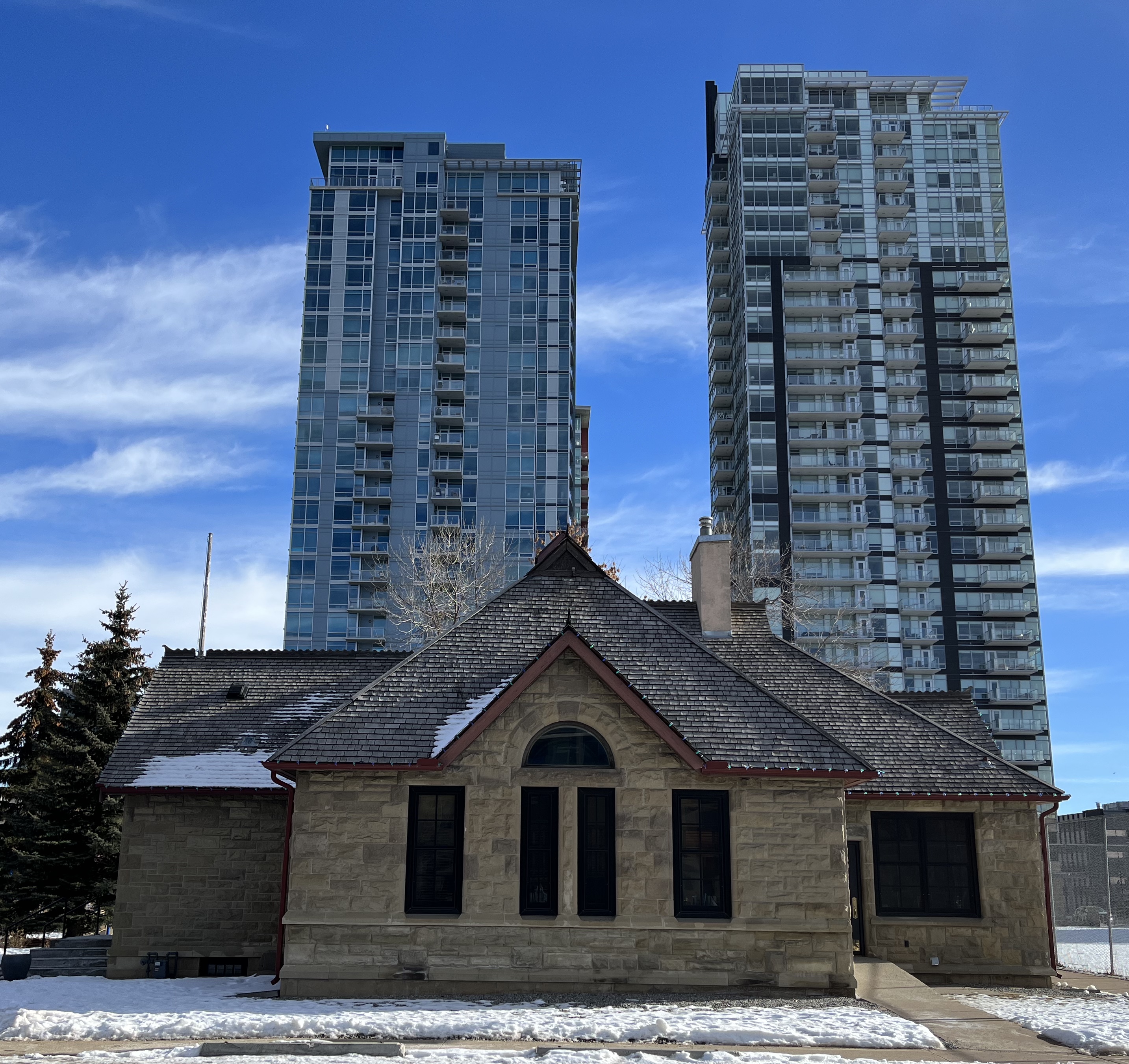
South Calgary – King Edward School
This project is one of our favourite examples. It demonstrates the adaptive reuse of a historic resource and is open to the public. King Edward School is featured on our 2024 Jane’s Walk | Marda Loop and Currie Barracks.
Opening in November of 1913, it is one of 4 large schools built in 1912. The school closed in 2001 and remained empty for 11 years. It waited for a new owner who would appreciate its significance. The new owner would devise a sustainable solution to ensure its future viability.
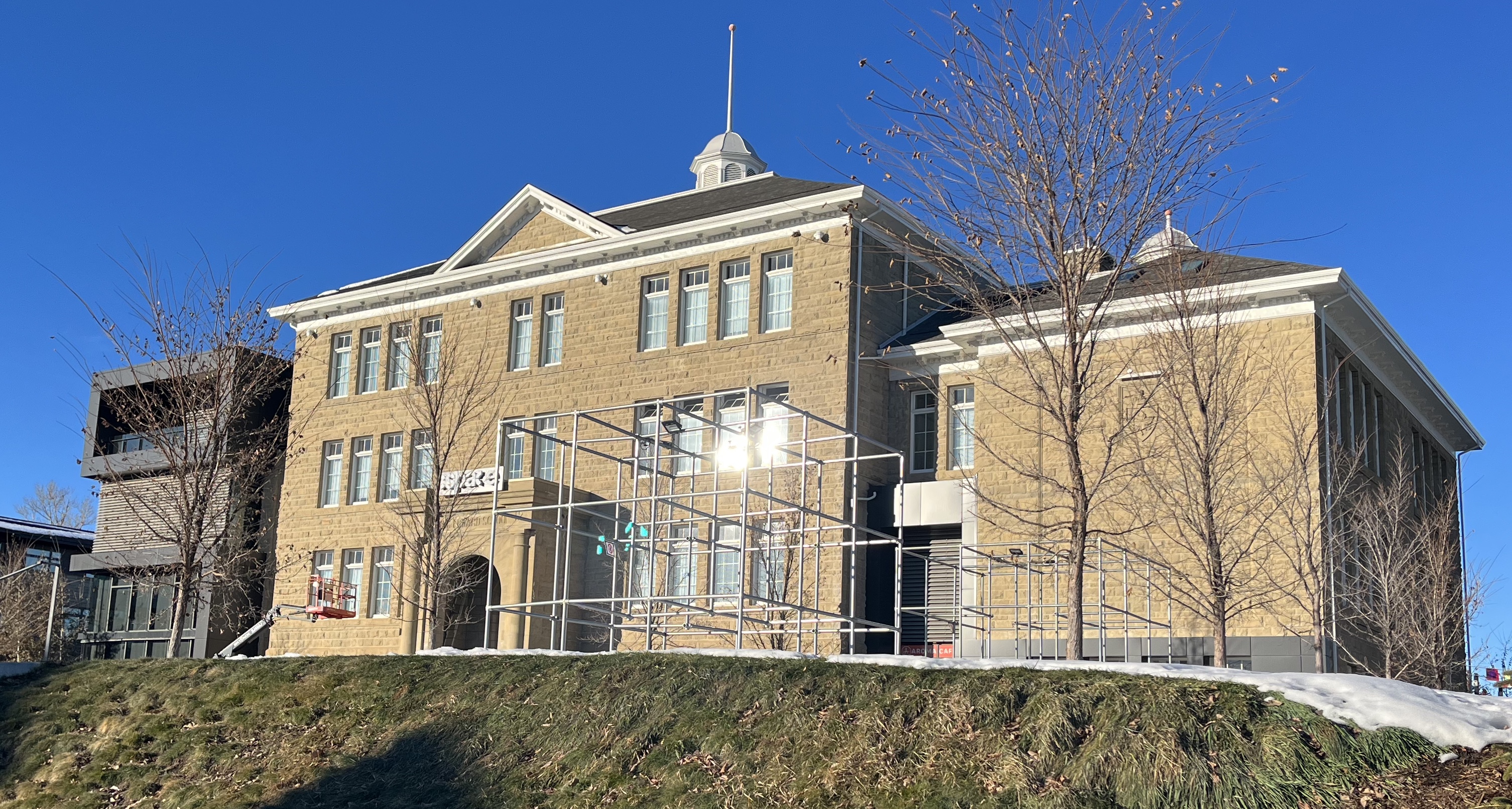
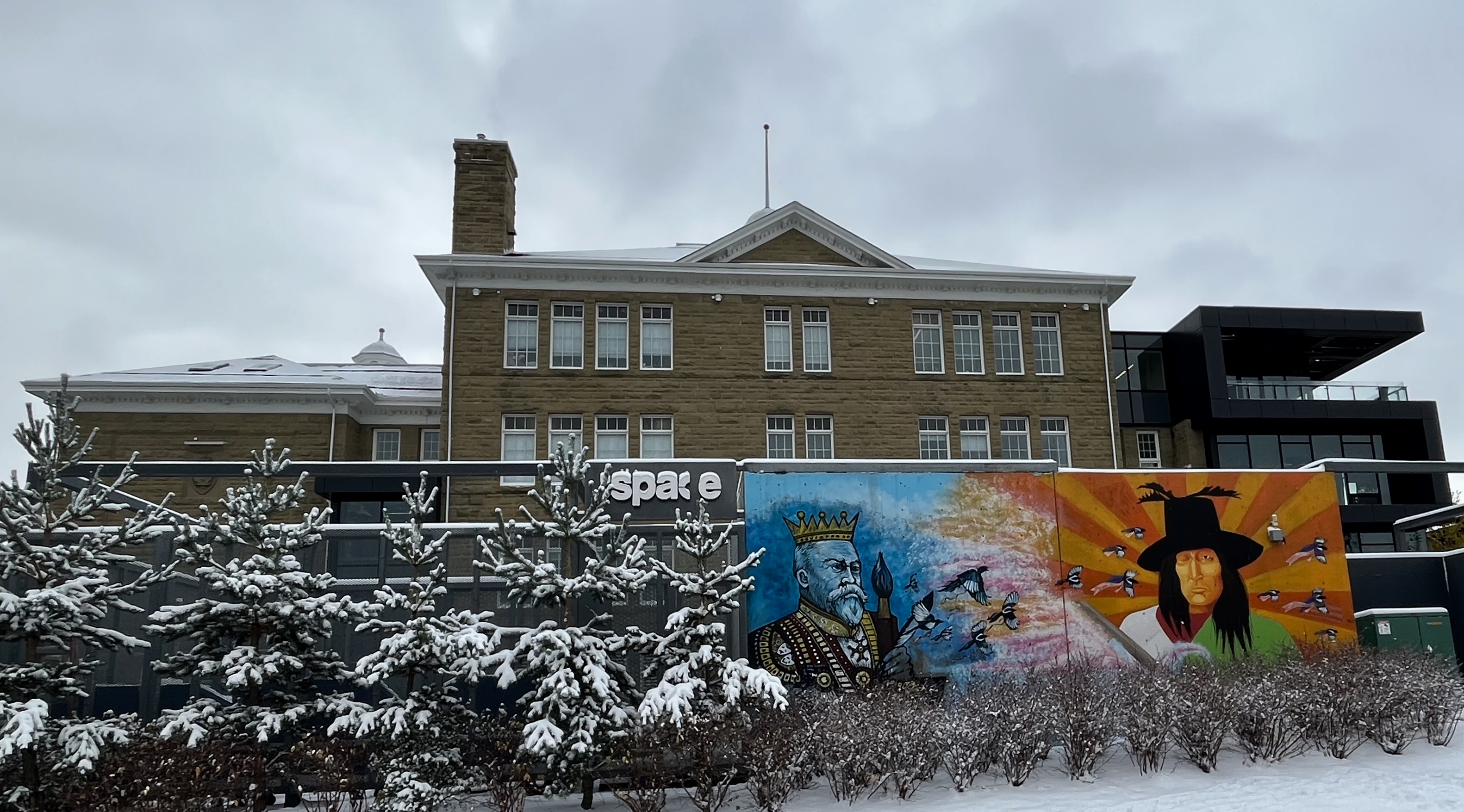
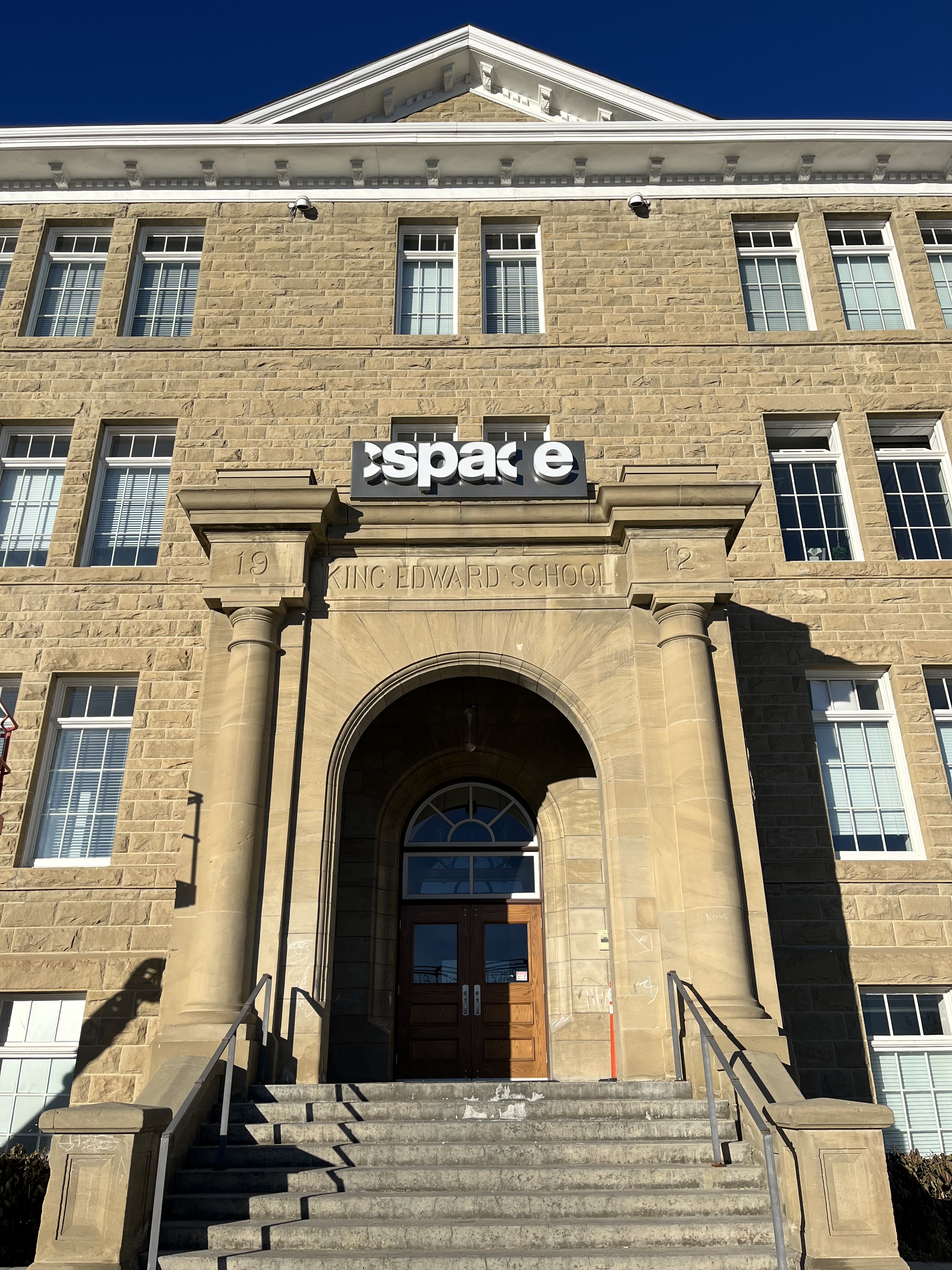
The City put the site up for tender three times. cSPACE, a social enterprise dedicated to supporting communities of artists, non-profits, and entrepreneurs, was established in 2011. They closed on the site in early 2012 and opened in two phases in 2017.
The $34.5 million transformation was funded from a mix of government, foundation, corporate and individual donations. A controversial part of the project was selling portions of land on the sides of the school to developers.
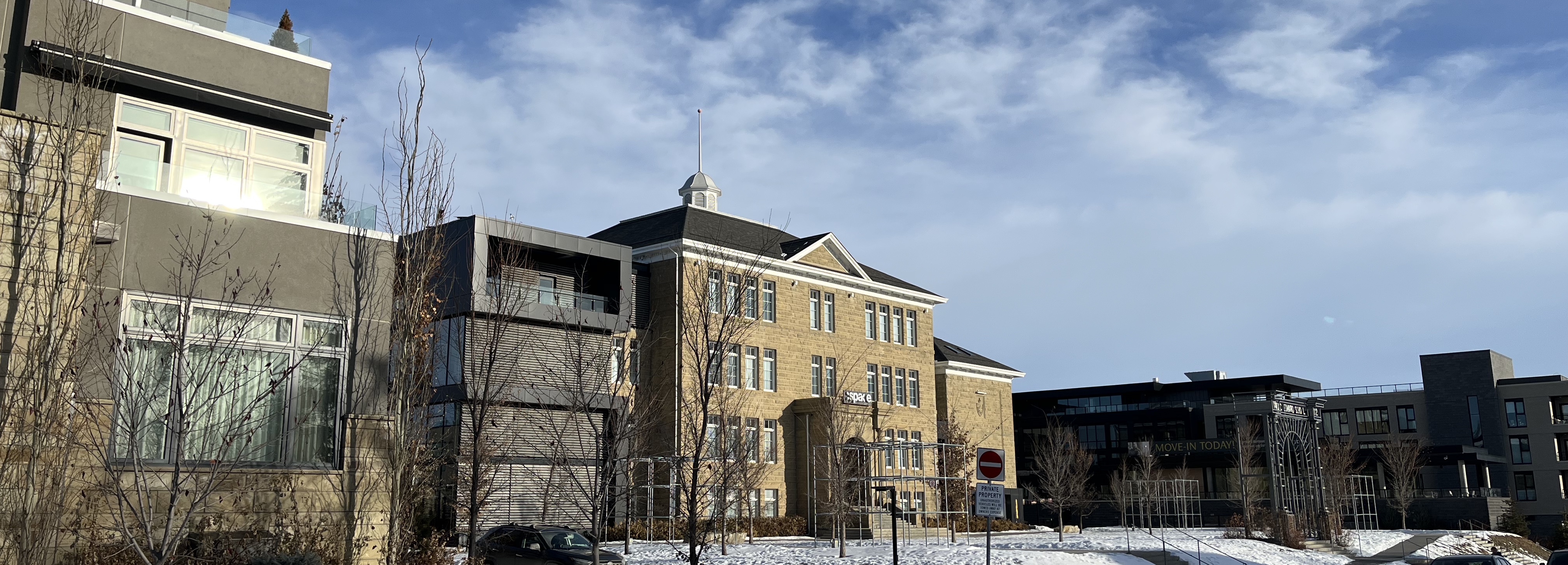
The development transformed the block from an open greenspace to a mixed-use site. It now has condos to the west and a seniors care facility to the east. These projects contributed approximately a third of the total cost to rehabilitate the school.

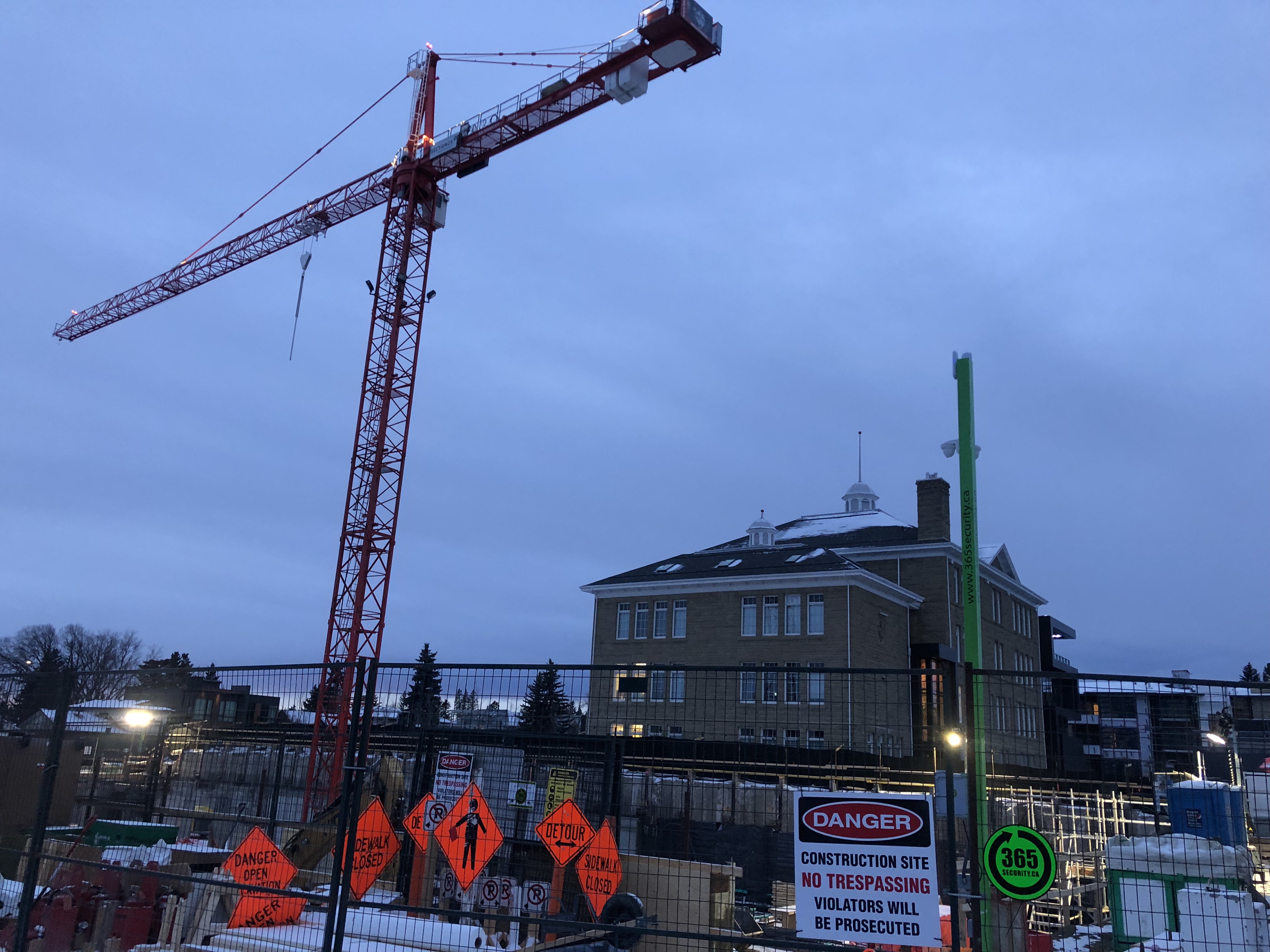
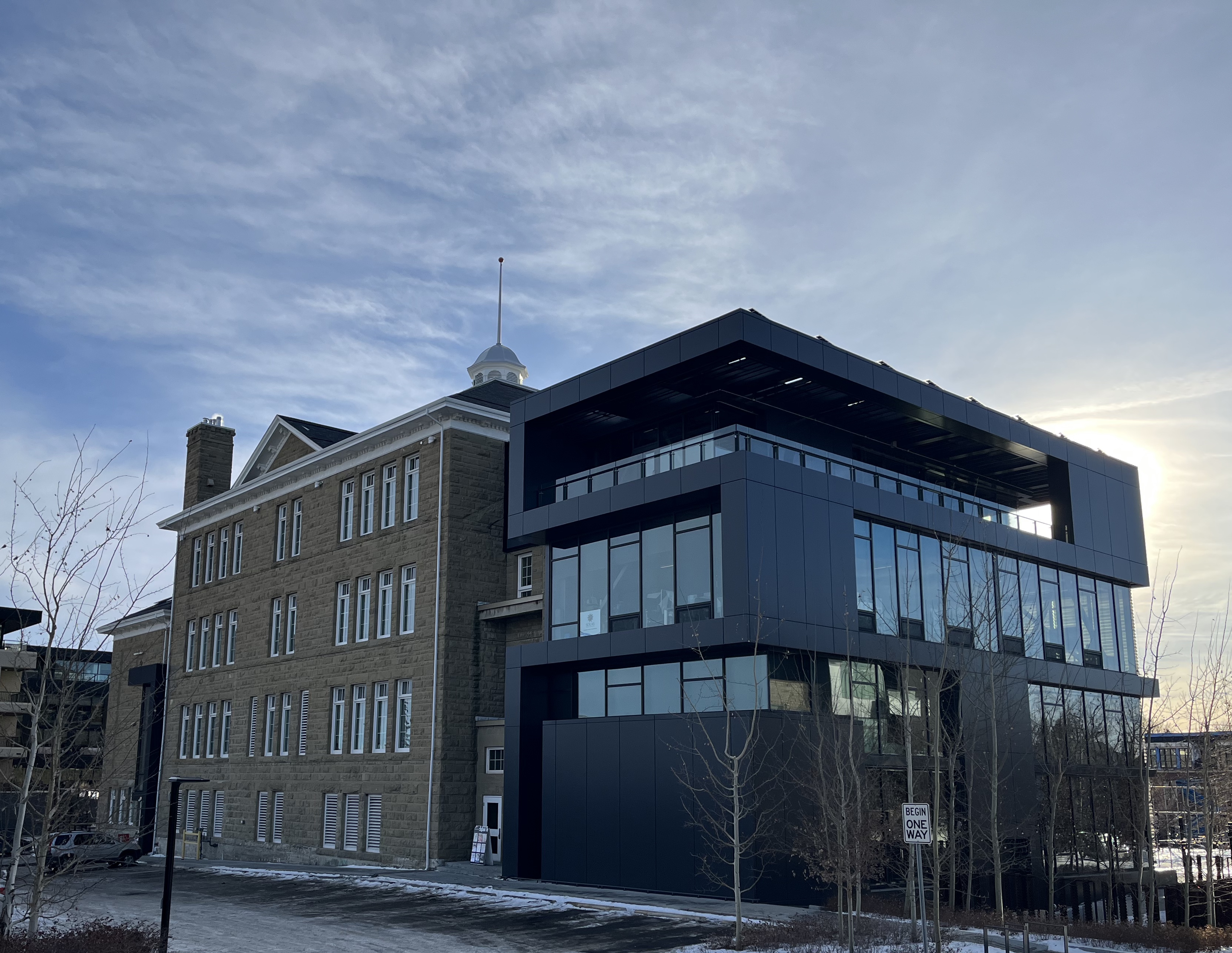
The original west wing was demolished in 1979 after a crack formed in the outer wall. The sandstone was saved and used to rebuild the adjoining outside wall, now a feature wall in the modern addition.
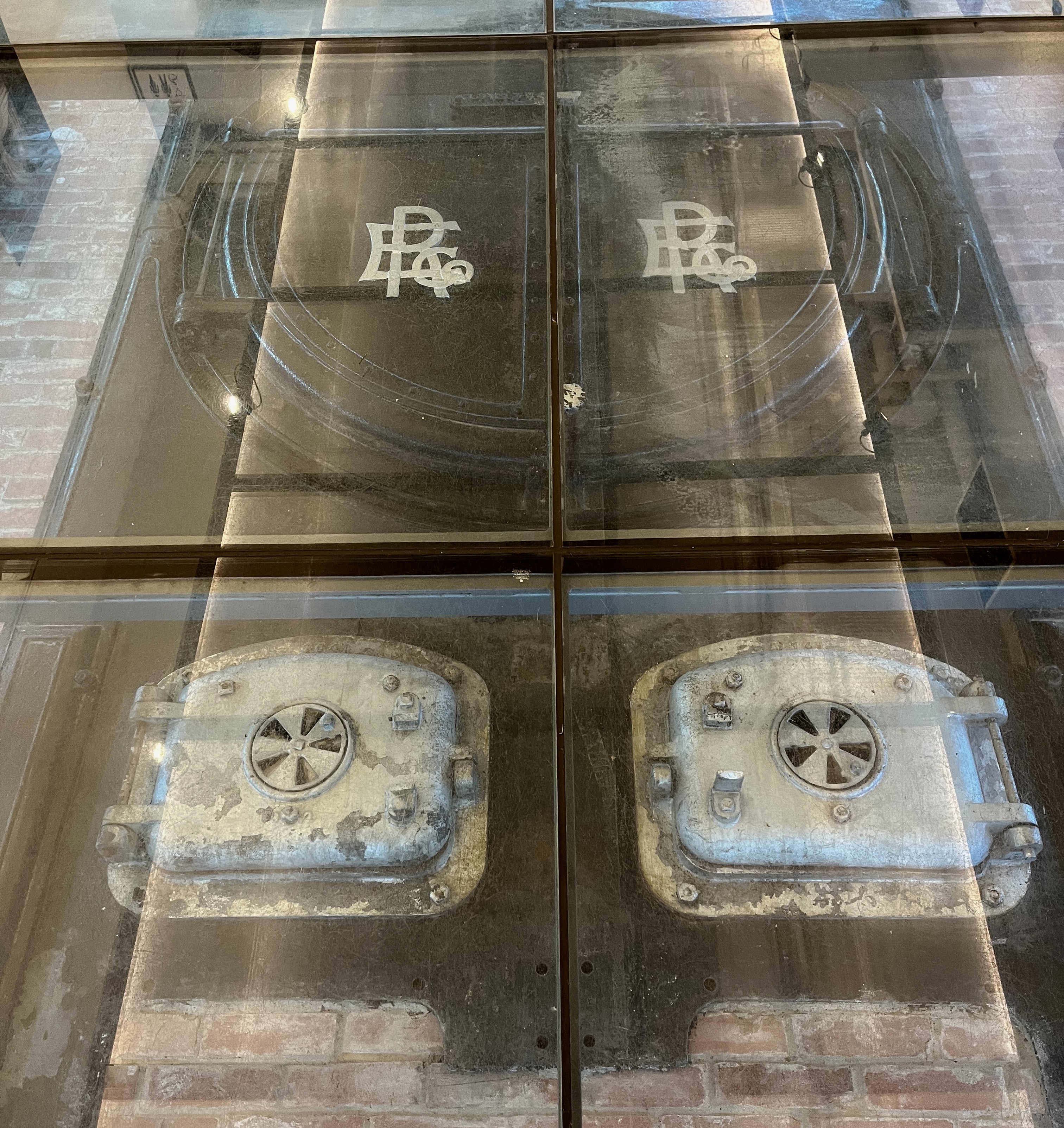
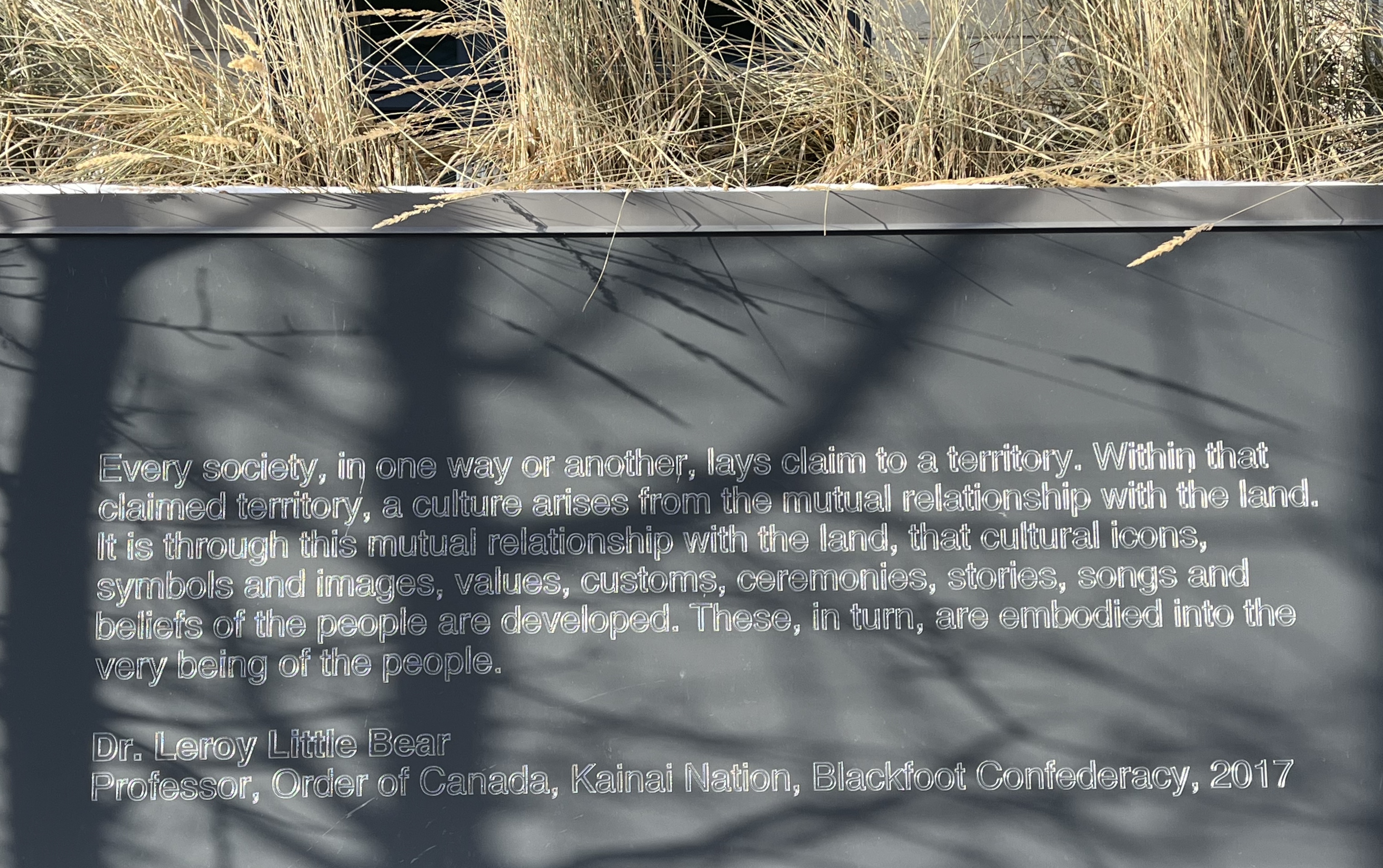
The modern addition provides a space for events, a 1753 sq. foot studio theatre and a top-floor, featuring three sides of floor-to-ceiling windows. A panoramic exterior deck offers tree-top views of downtown, ArtPark and mountains.
SUNALTA
Sunalta School was one of these large schools built in 1912. It is located on a section of land that overlooks downtown and the Bow River valley.
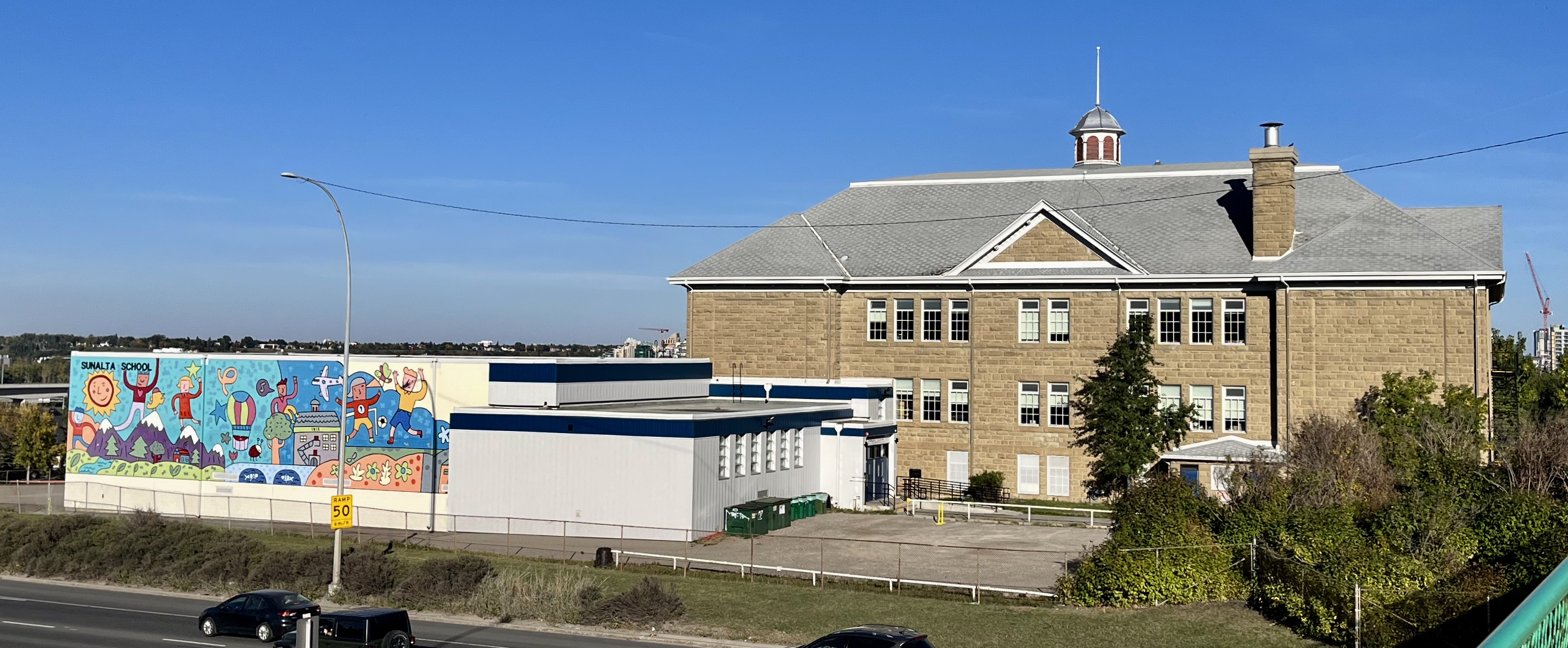
A contrasting concrete block building was added to the original structure in 1957. A new computer lab was added in 1995. The lab includes a mural by local artist Dean Stanton.
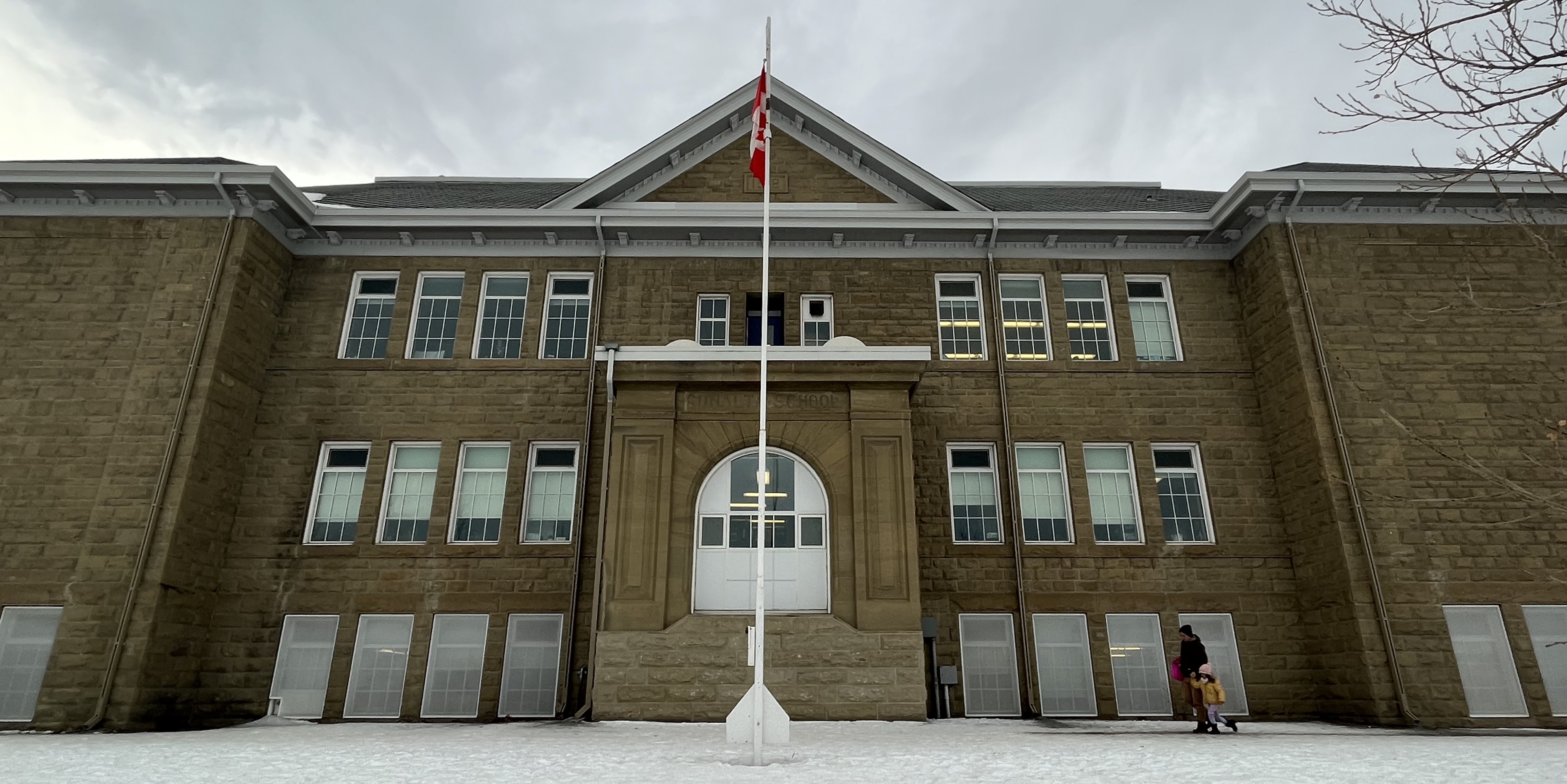
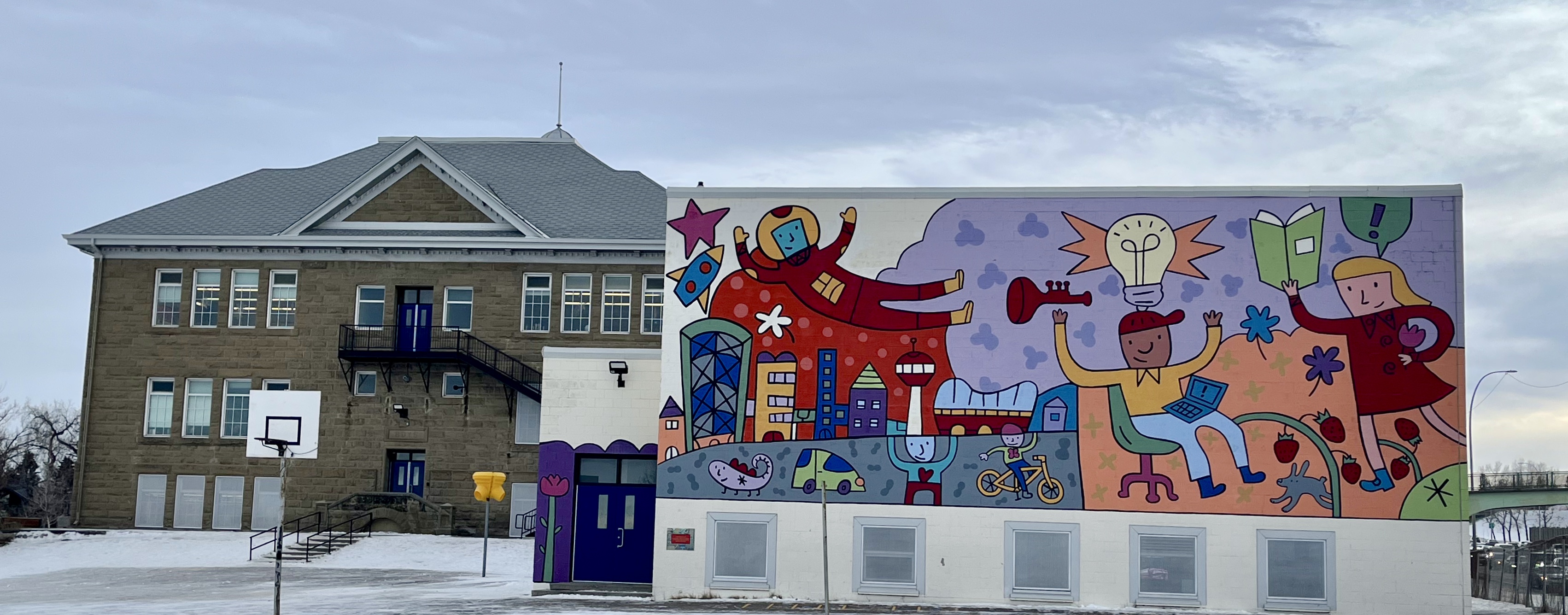
In 2010, when one of the walls needed repair, he returned with a team of volunteers to update the mural.
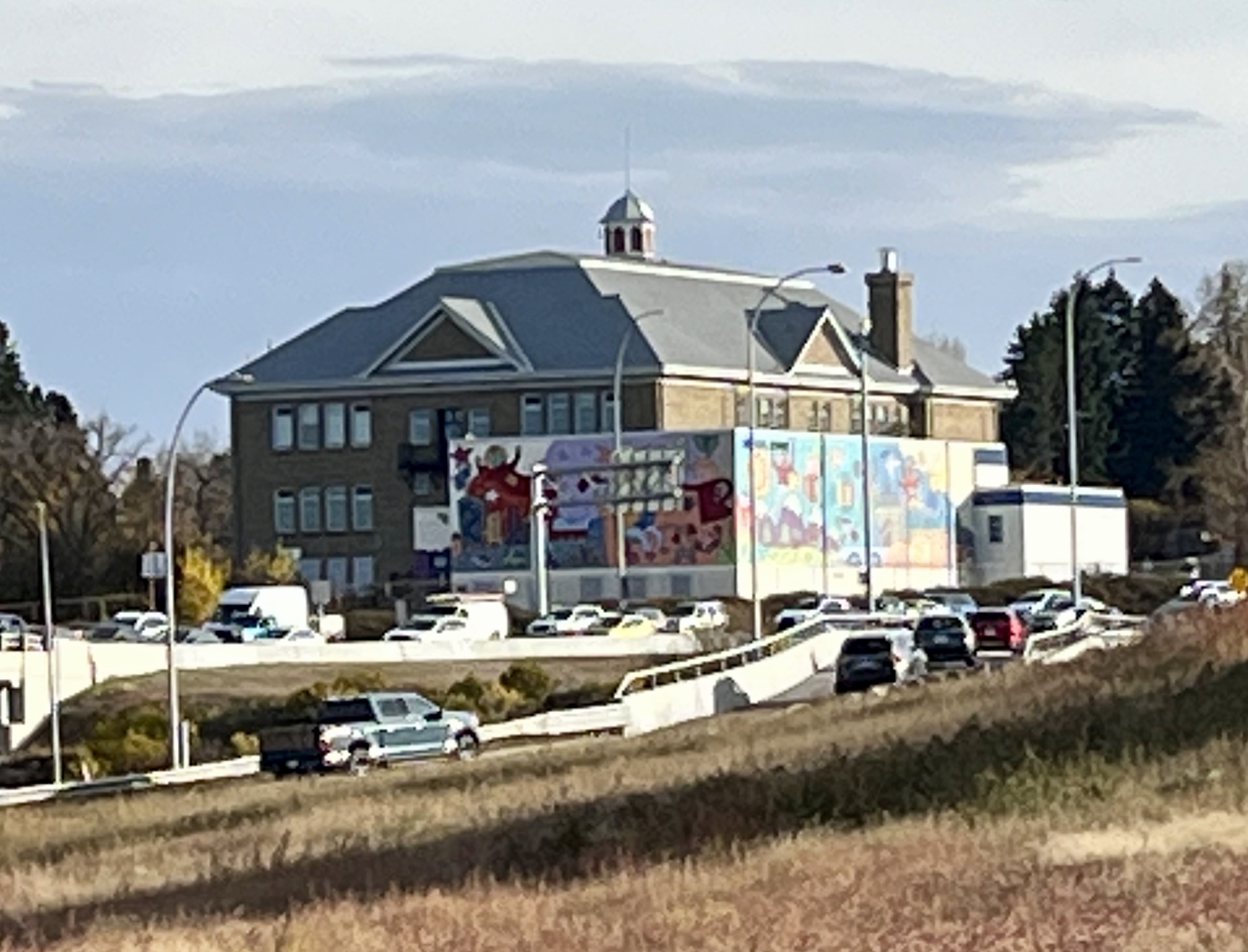
The mural is painted on the north and west-facing portions of the school. It is a prominent location seen by thousands of motorists.
The sandstone quarry and ravine behind the school were filled in the mid-1960s. This transformation led to the creation of Crowchid Trail, which is a significant transportation corridor today.
The scale, location, and early contribution to the Artistic Cityscape of murals are significant. They transform the landscape into an open-air art gallery, making it a notable landmark.
Explore Sunalta & Scarboro with a walking tour by Heritage Calgary.
Ramsay
Ramsay School is the only example of the four large sandstone schools that remain intact today.
The school is prominently located on the former MacLeod Trail. It creates a point of reference for the area, contributing to the character and aesthetic of the community.
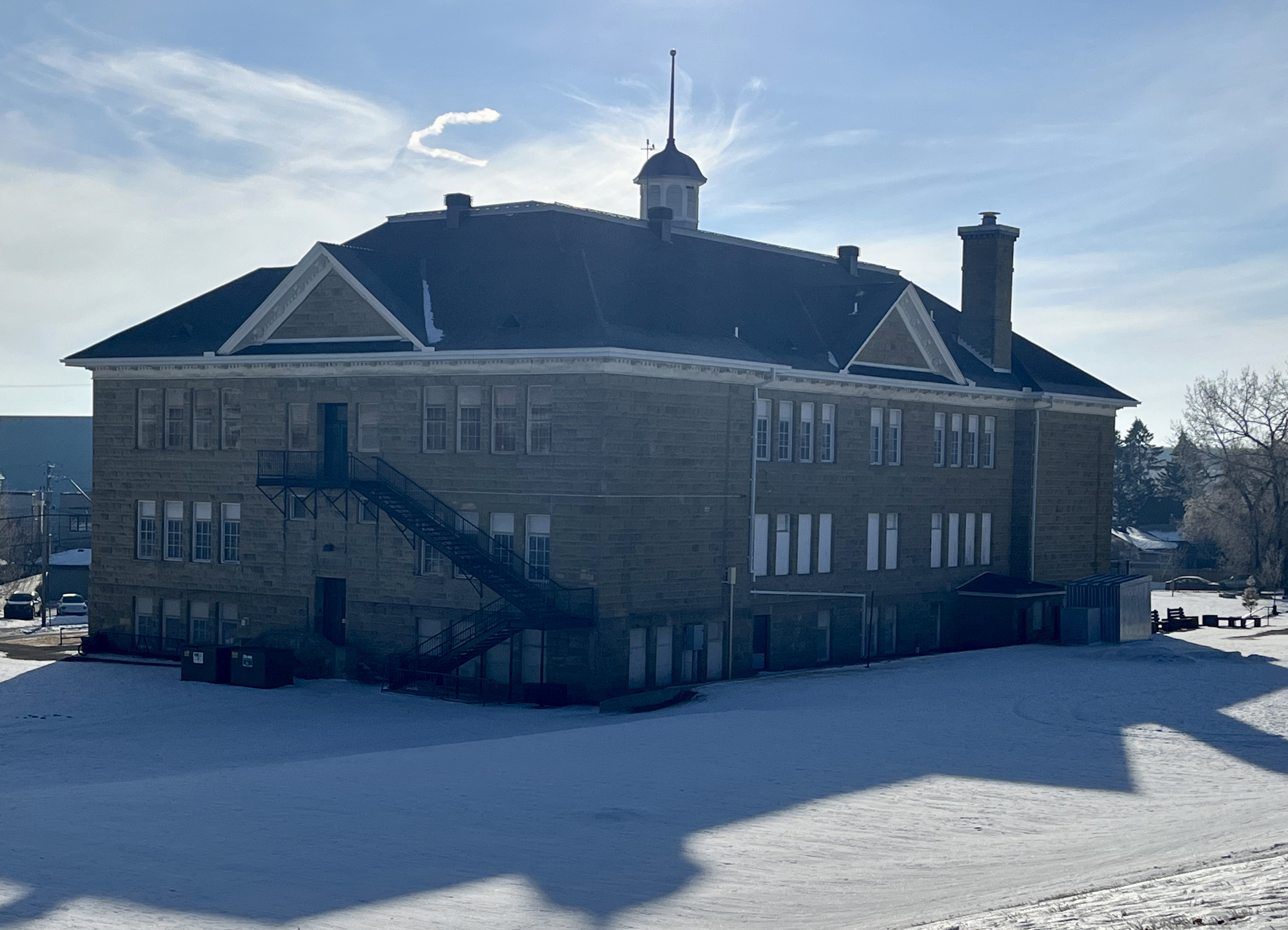
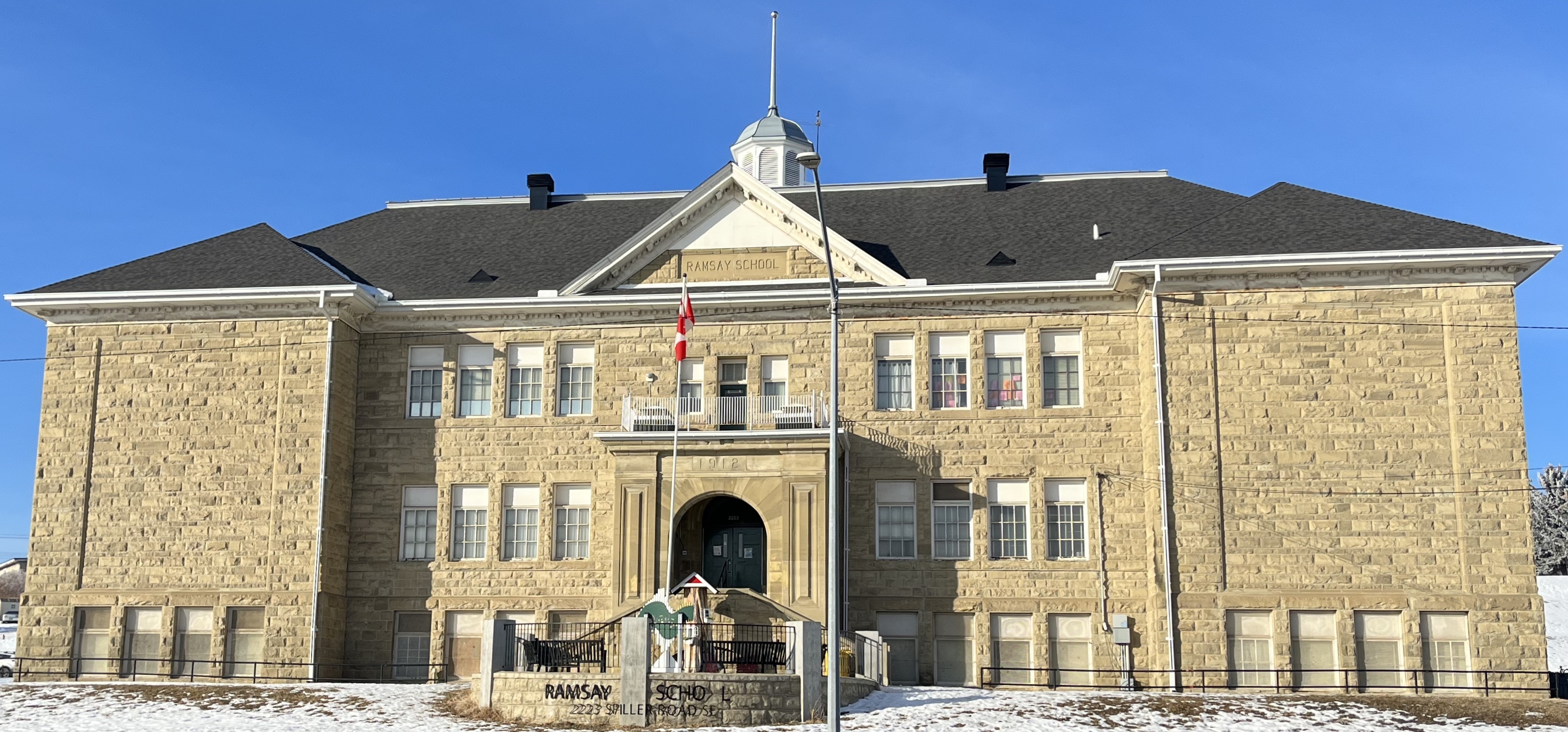
Free Classic design, features rock-faced sandstone, an arched stone entrance, a pressed metal cornice, and a cupola.
Explore the Heritage Calgary tour of Ramsay, one of the city’s most historic communities.
Inglewood
Further up the road are two schools on 9th Avenue. They contribute to the historical status of the community as well as Calgary’s first main street. To learn more, explore: Inglewood – Urban Sanctuary
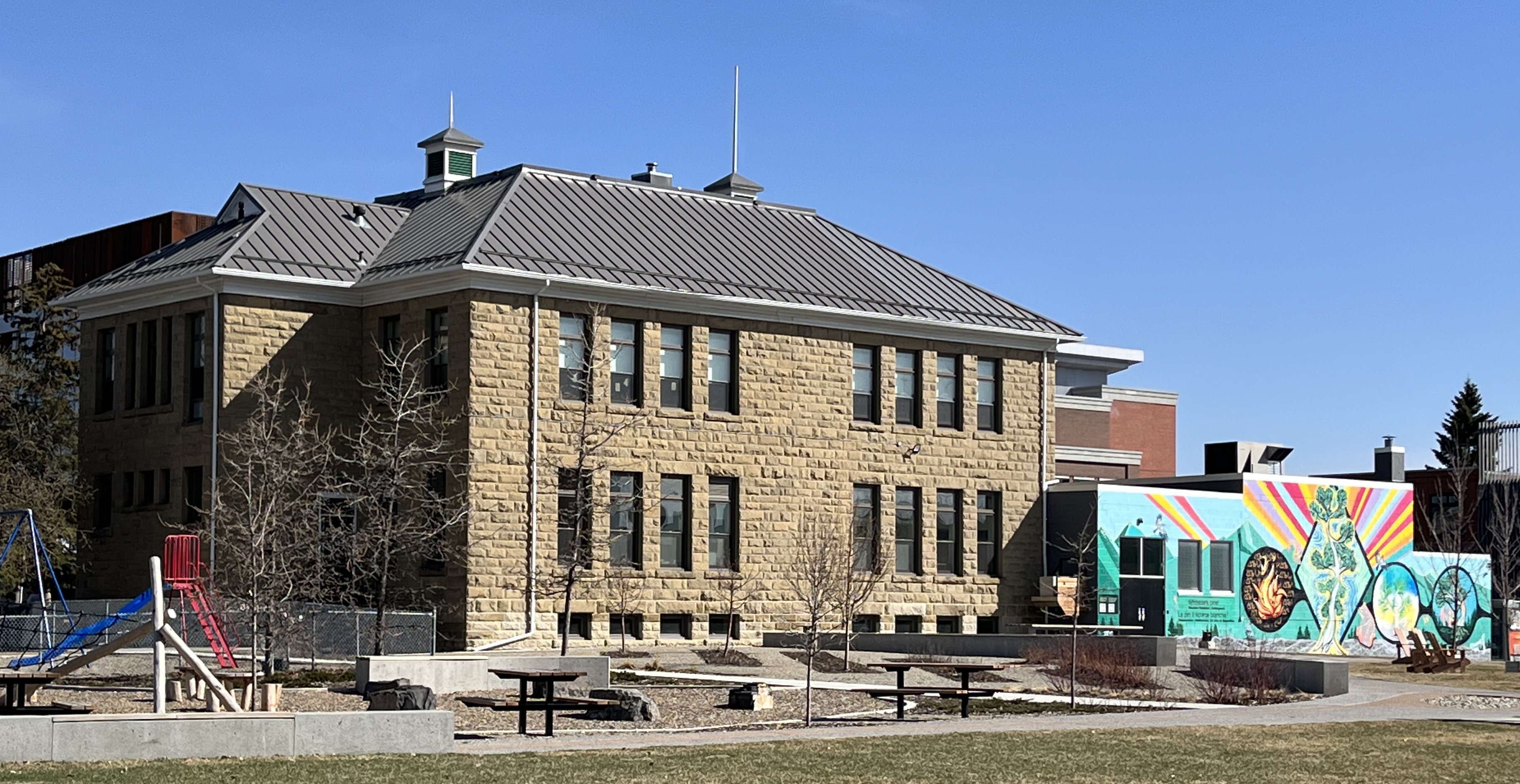
New East Ward (Alexandra) School
The 1902 New East Ward (Alexandra) School was the second sandstone school constructed. It shows the progression from the previous generation of one-room schoolhouses.
Colonel Walker School
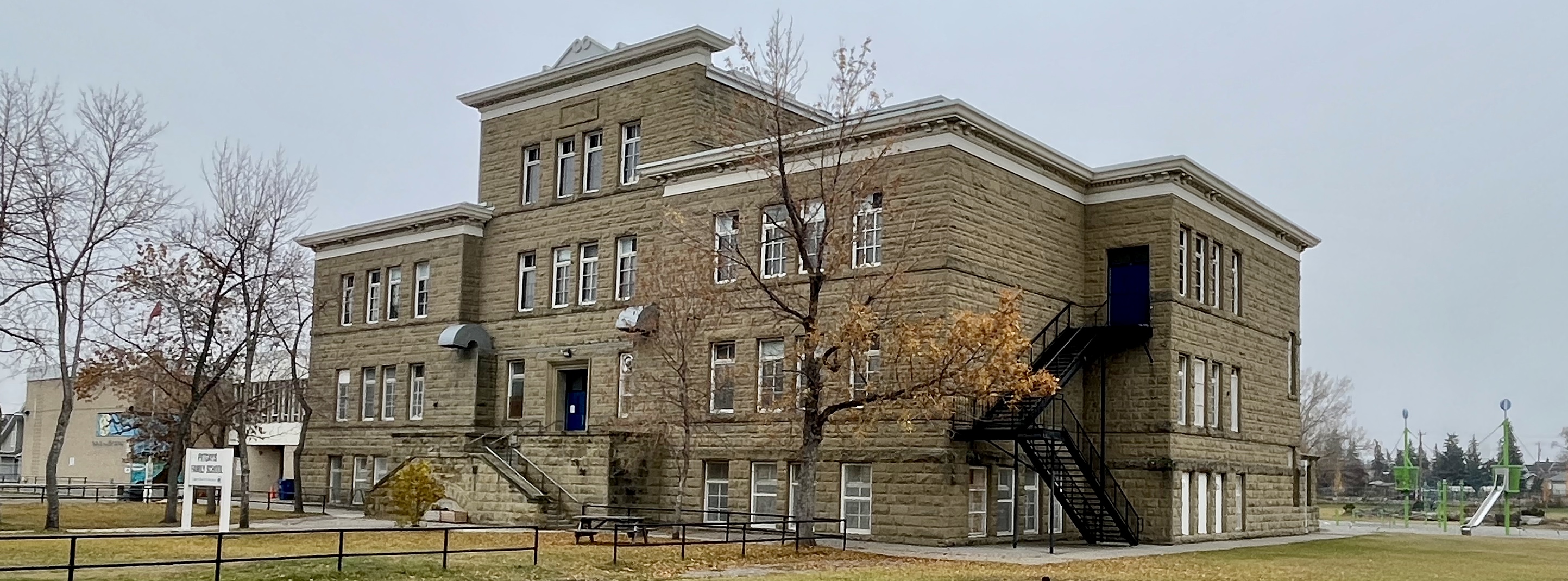
Honouring James Walker, who settled the land in 1883 and constructed a residence in 1910 called Inglewood. The moniker was soon applied to the surrounding community.
The thirteen-room sandstone Colonel Walker School is the last of the large sandstone schools built around 1912. The same contractors who built King Edward and Hillhurst School were used.
Hillhurst
Built in 1911, it served as a place of learning continually for almost a century. This focal point for the community is visible from 14th Street. The tree-lined entrance to the grounds reflects the beautifully landscaped Riley Park nearby.
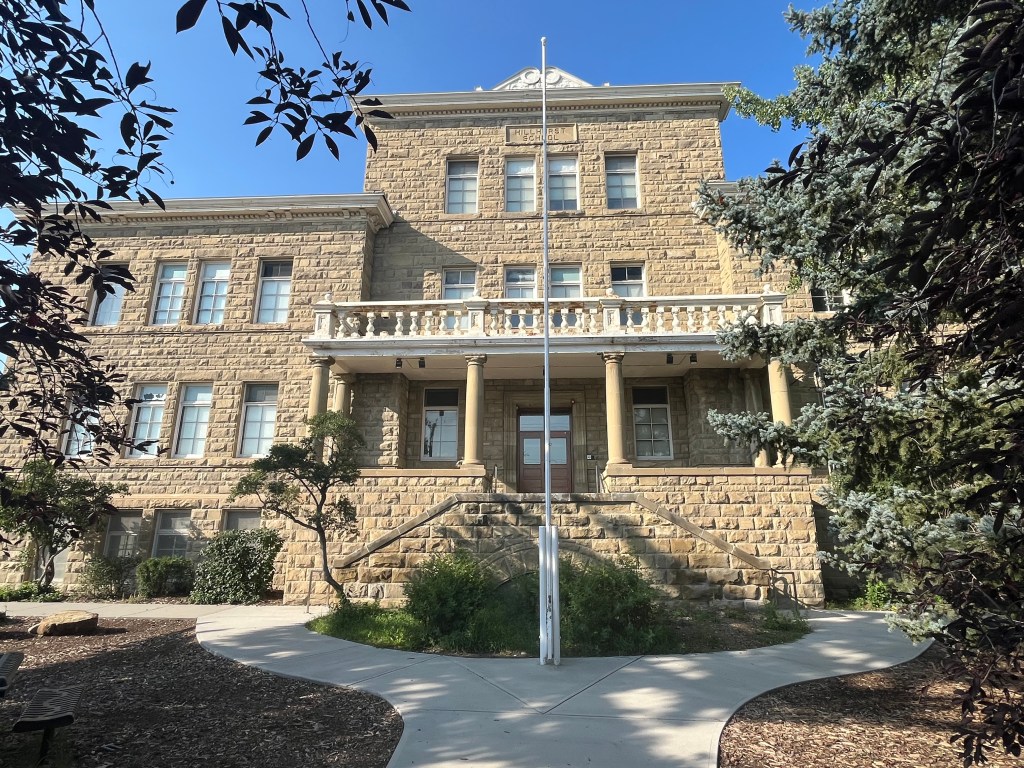
Like Colonel Walker, it has a central, three-storey section atop a raised basement. Two flanking wings are one storey lower.
Distinguishing features include a prominent front entrance porch supported by Tuscan columns. It is topped by a classical-style balustrade, looking a little worse for wear. Both Hillhurst and Colonel Walker schools are simple variations on the plan of Connaught School.
Connaught
Built in 1911, it is the oldest continually operating school. It is also the most elegant of the schools of this Free Classical design.
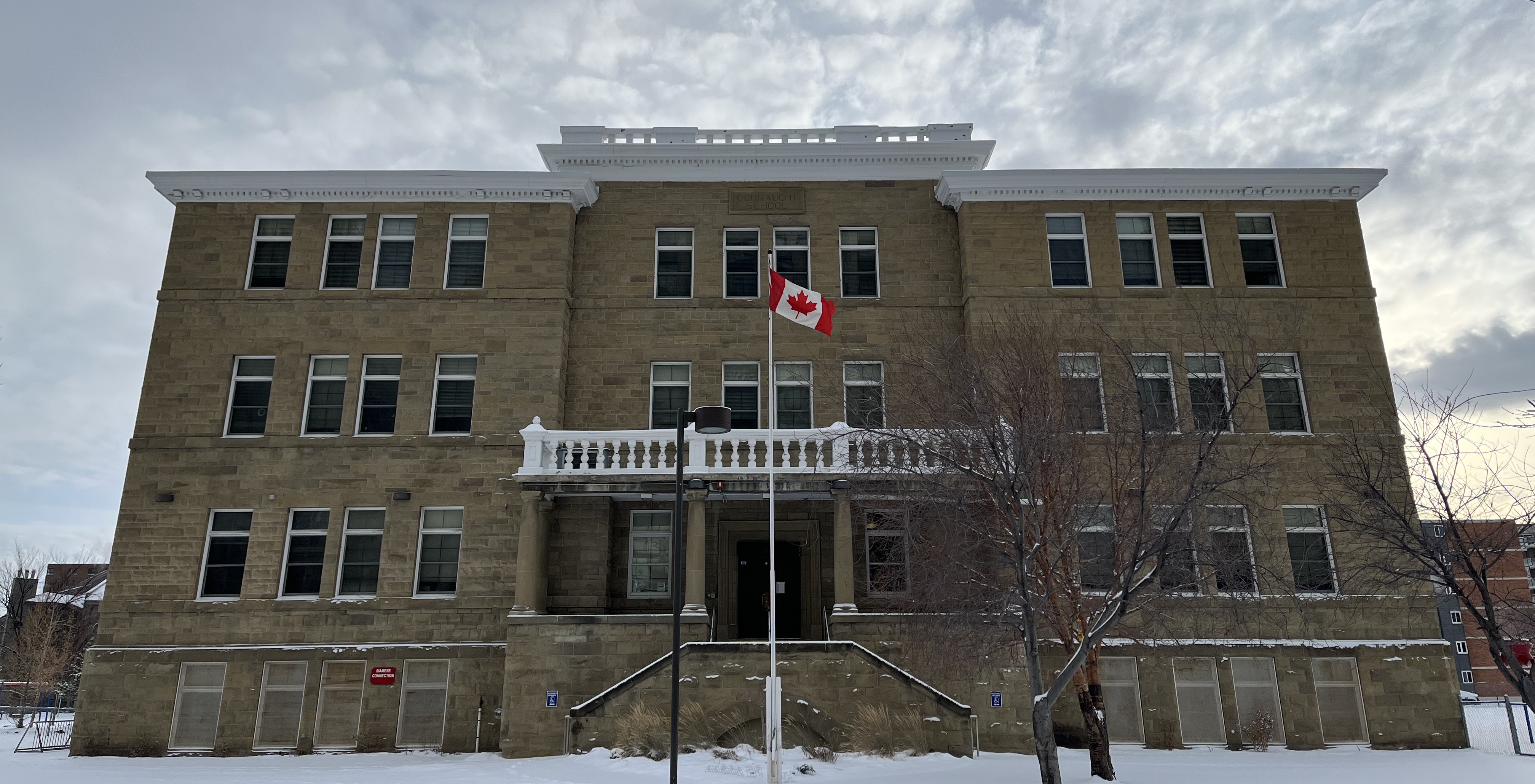
The main entrance highlights a divided staircase covered by a columned portico and balustrade. A roof cornice covers the building, while white moulding contrasts with the rough-cut sandstone.
The south elevations have separate entrances for boys and girls. This was a common feature of the day. They are enclosed by the modern extension added after the school closed for renovations in 2007.

The school reopened in 2009 as a trendy inner-city school. It earned a LEED (Leadership in Energy and Environmental Design) silver standard.
The First Sandstone School
Haultain School
The first sandstone school, constructed in 1894, is a rare example of the Richardson Romanesque style in Calgary.
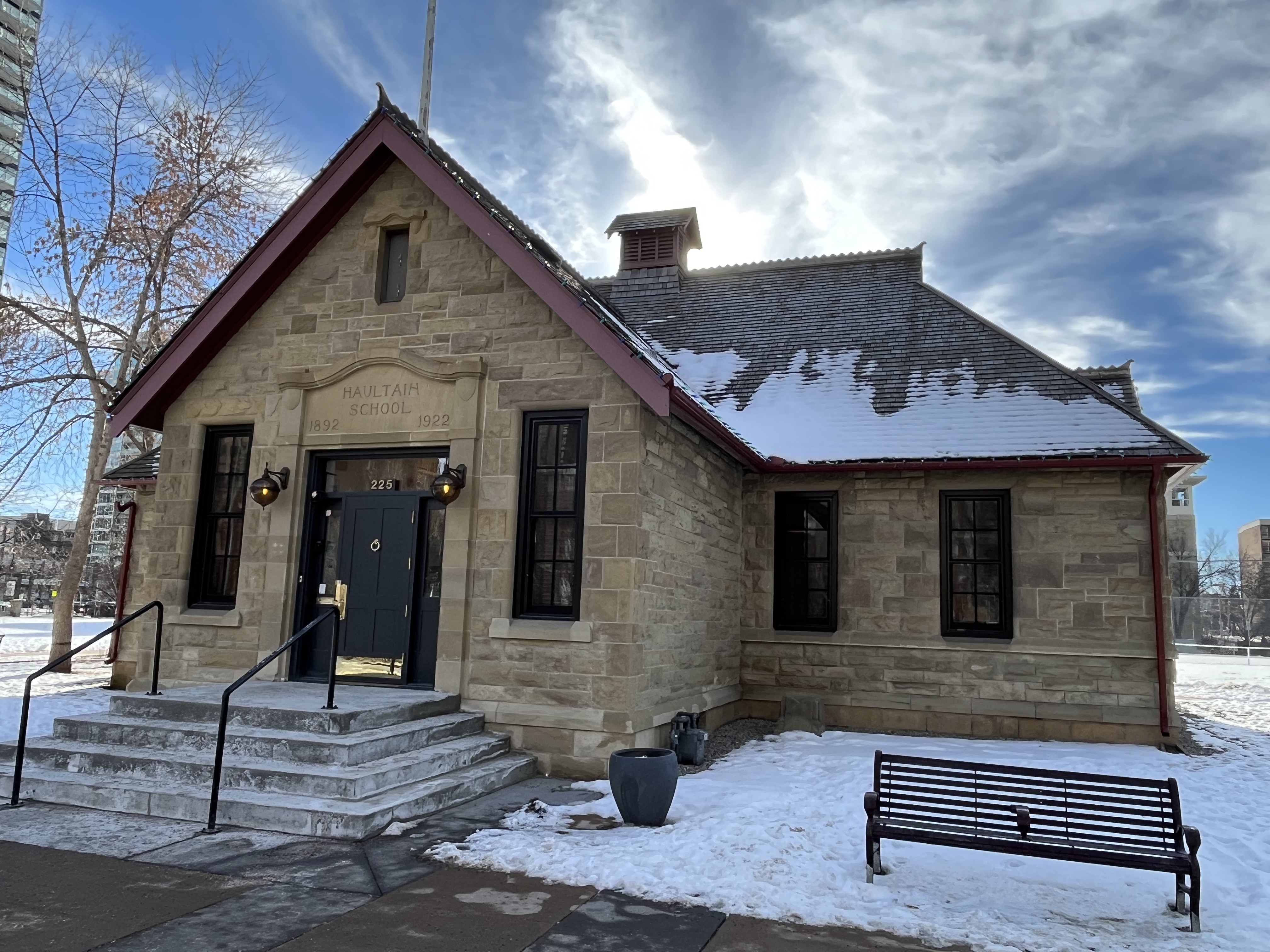
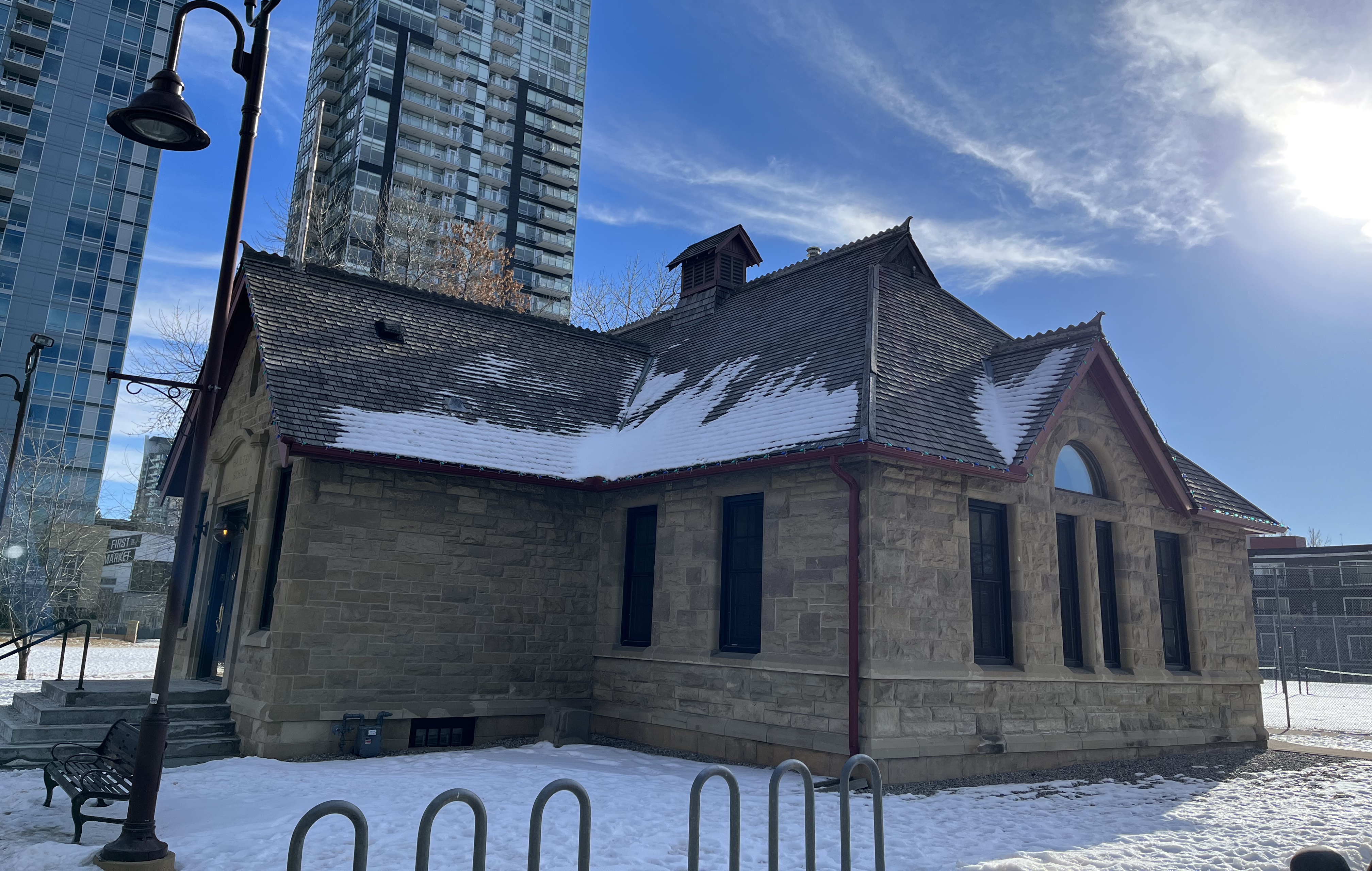
A lobby and cloakroom were added to the entry in 1922. They are composed of roughcast sandstone and a detailed entablature. These features obscure the original horizontality of the building (credit: Canada’s Historic Places).
The Best for Last
Bridgeland-Riverside
The school was originally called Bridgeland School. It was constructed around 1913-14. In 1916, it was renamed Stanley Jones. This was in honour of Major Stanley Livingston Jones, the first Calgarian to go to war.
The building featured a Neo-Classical Revival architectural style, with the original roof made of slate imported from Wales.
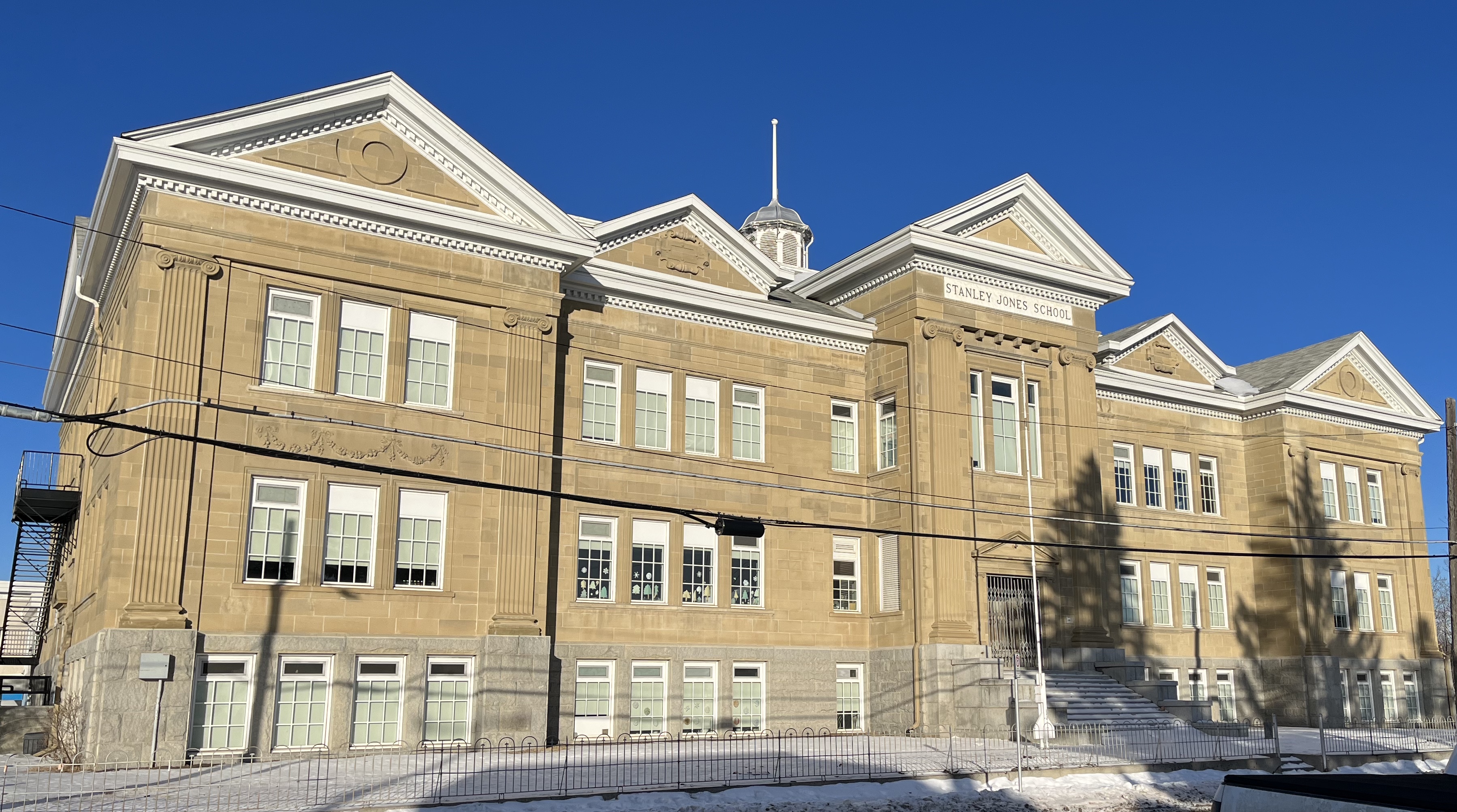
Fun fact: The school’s proximity to Renfrew Airfield prompted city officials to install a revolving beacon on top of the school in 1929 (Credit: Calgary Public Library).
Explore Bridgeland-Riverside with a walking tour by Heritage Calgary.
Balmoral
Balmoral School was the last and most expensive of 19 sandstone schools built during this period. It was officially dedicated in 1915. The school was named for Balmoral Castle, the ancestral Scottish home of the Royal Family.
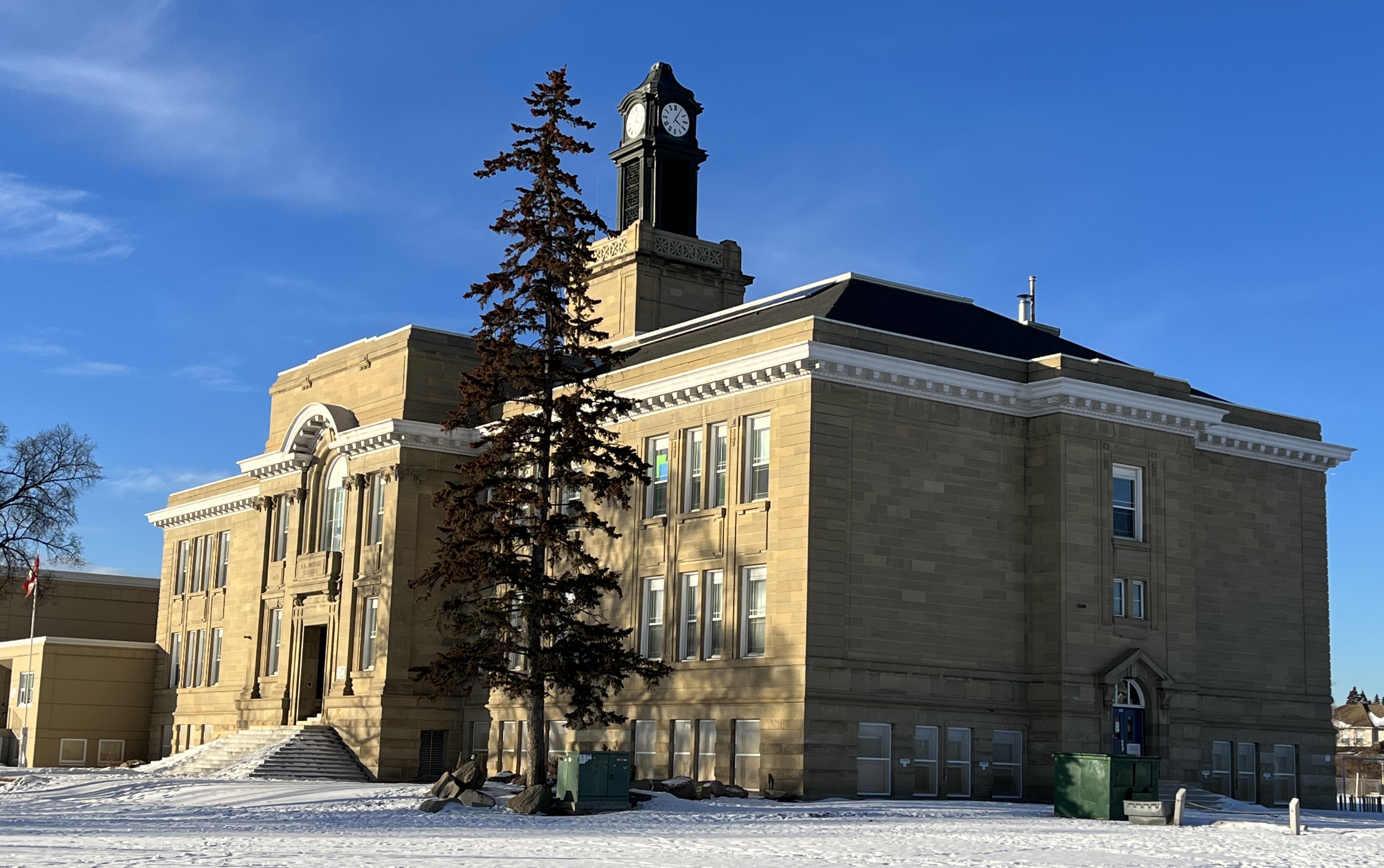
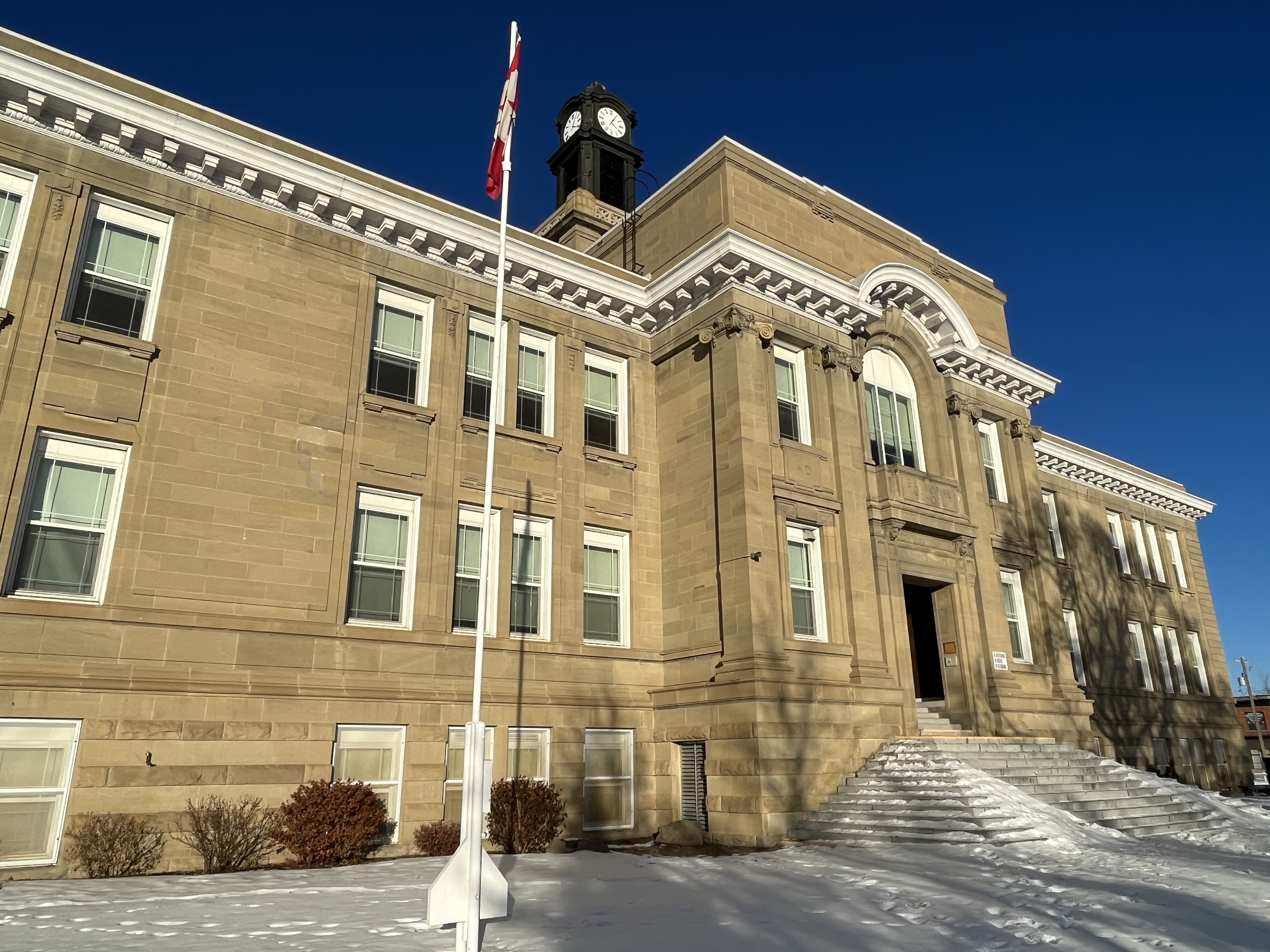
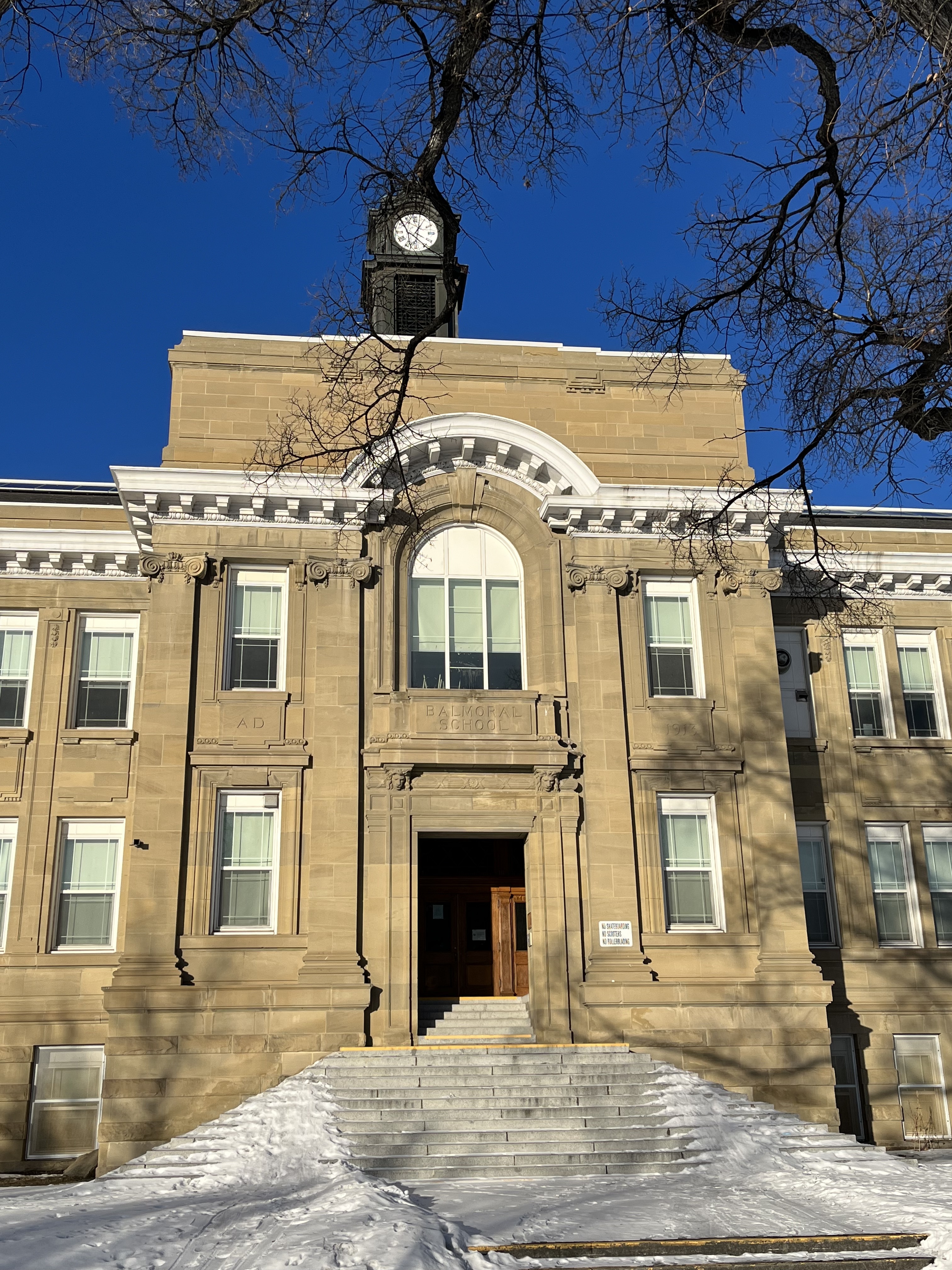
Fun fact: The clock tower sat empty due to an initial delay caused by wartime shortages. As a result, no clock was ever purchased. A clock face was painted in its place with hands pointing to 4:00 around 1917 (credit: Calgary Public Library).
 The Urban Explorer