
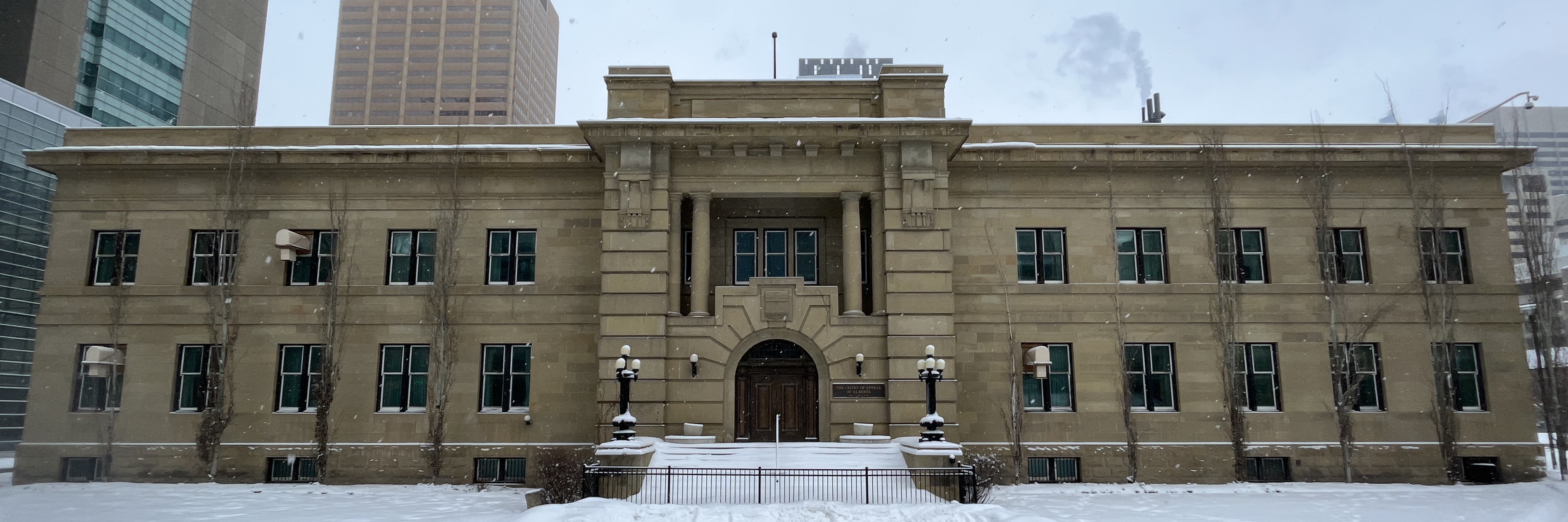
VOTE for which sandstone building is the best!
When the Canadian Pacific Railway arrived in 1883, it facilitated the Emergence of Calgary as an urban centre. Calgary’s sandstone construction boom began after a fire roared through town in the early morning of Nov. 7, 1886. This building era lasted until the onset of the First World War.
It left the city with a legacy of unique buildings renowned for their beauty and character. So many were built from the material that Calgary acquired the nickname Sandstone City.
A large proportion of the building stock, 18 buildings, were destroyed. Fortunately, nobody was killed or injured in the fire. When rebuilding, town officials recommended that important civic buildings be constructed out of Paskapoo sandstone rather than wood.
By the 1890s, more than half of the skilled tradesmen in Calgary were stone cutters or masons. Many of them were of Scottish origin with generations of stone working experience.
In an 1891 feature on Calgary, the Globe (the Toronto newspaper later renamed the Globe and Mail) stated:
Calgary is almost a model town. The hills surrounding it are underlaid with a very superior quality of sandstone, easily worked, and which hardens when exposed to the air. This stone is being largely utilized in building up the town, and Calgary will doubtless yet be called THE SANDSTONE CITY.
The sedimentary rock was heavily located in the Bow Valley with 16 quarries in operation. Rising costs for stone carving and the inability of the quarries to supply desirable stone led to the last quarries closing in 1915. Competition from other building materials, including locally-made bricks, terra cotta, and Indiana sandstone were also contributing factors.
Credit: https://www.calgary.ca/arts-culture/heritage-sites/city-hall-sandstone.html. Learn more about Calgary’s sandstone quarries and their owners/operators.
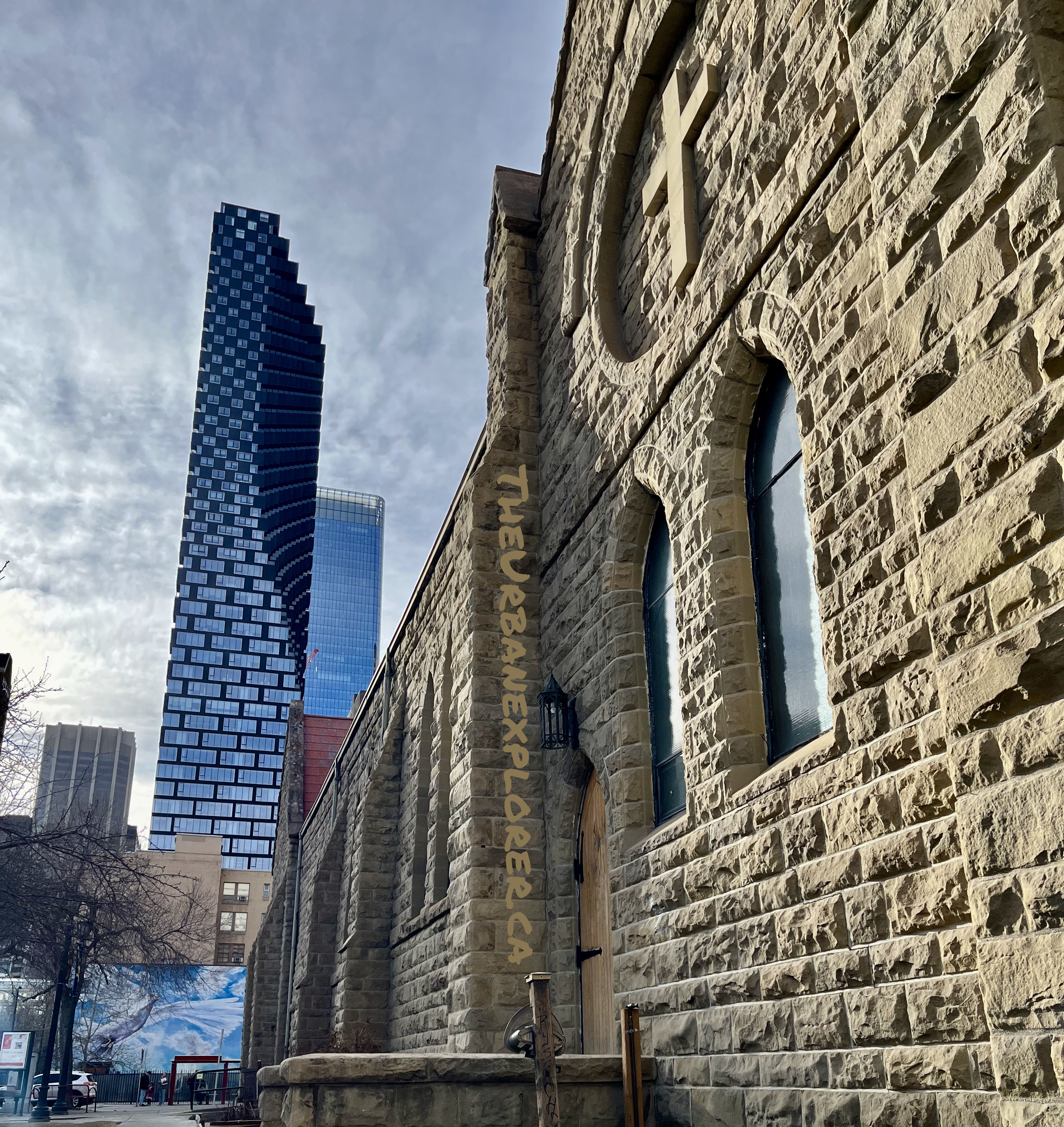
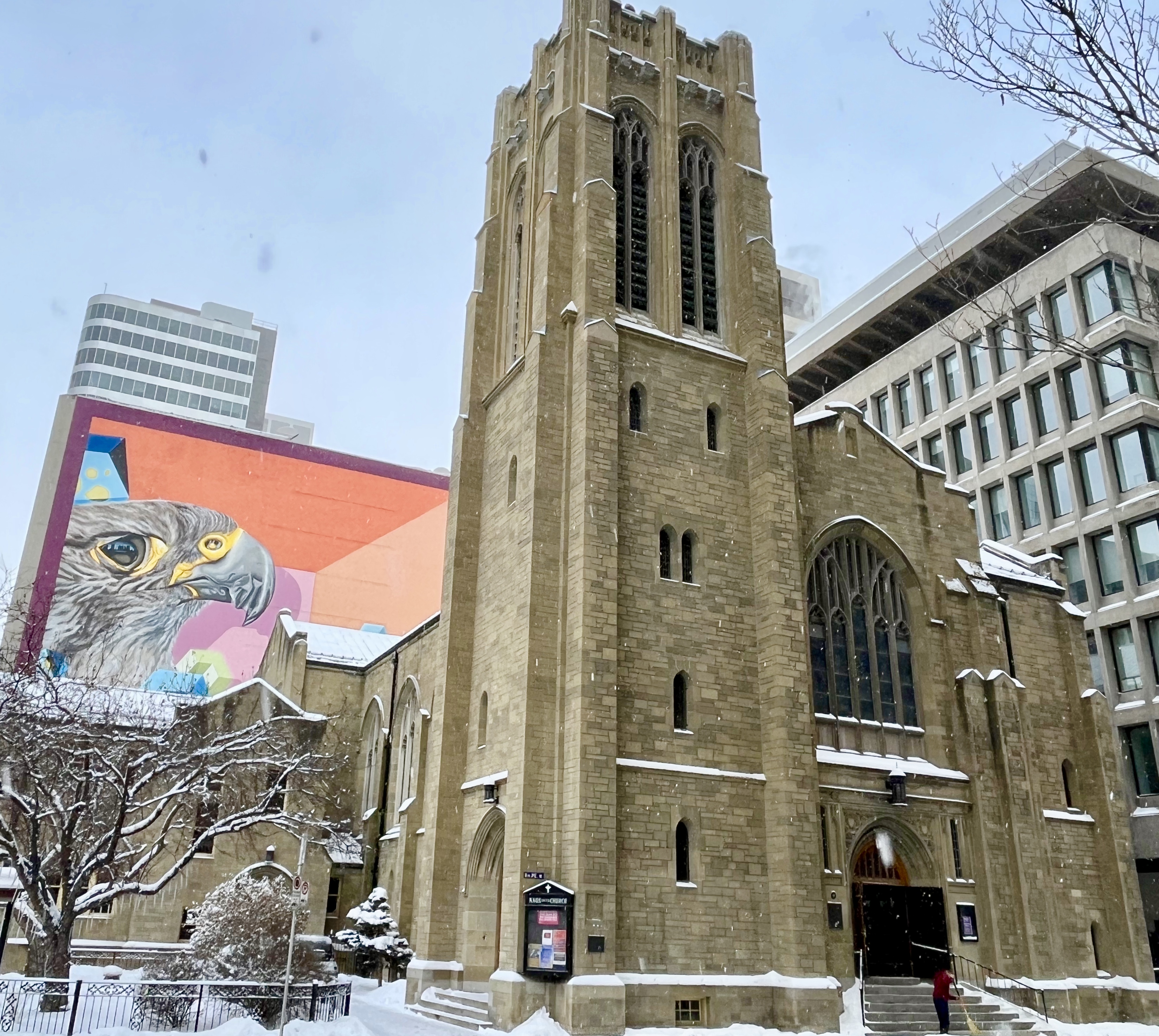
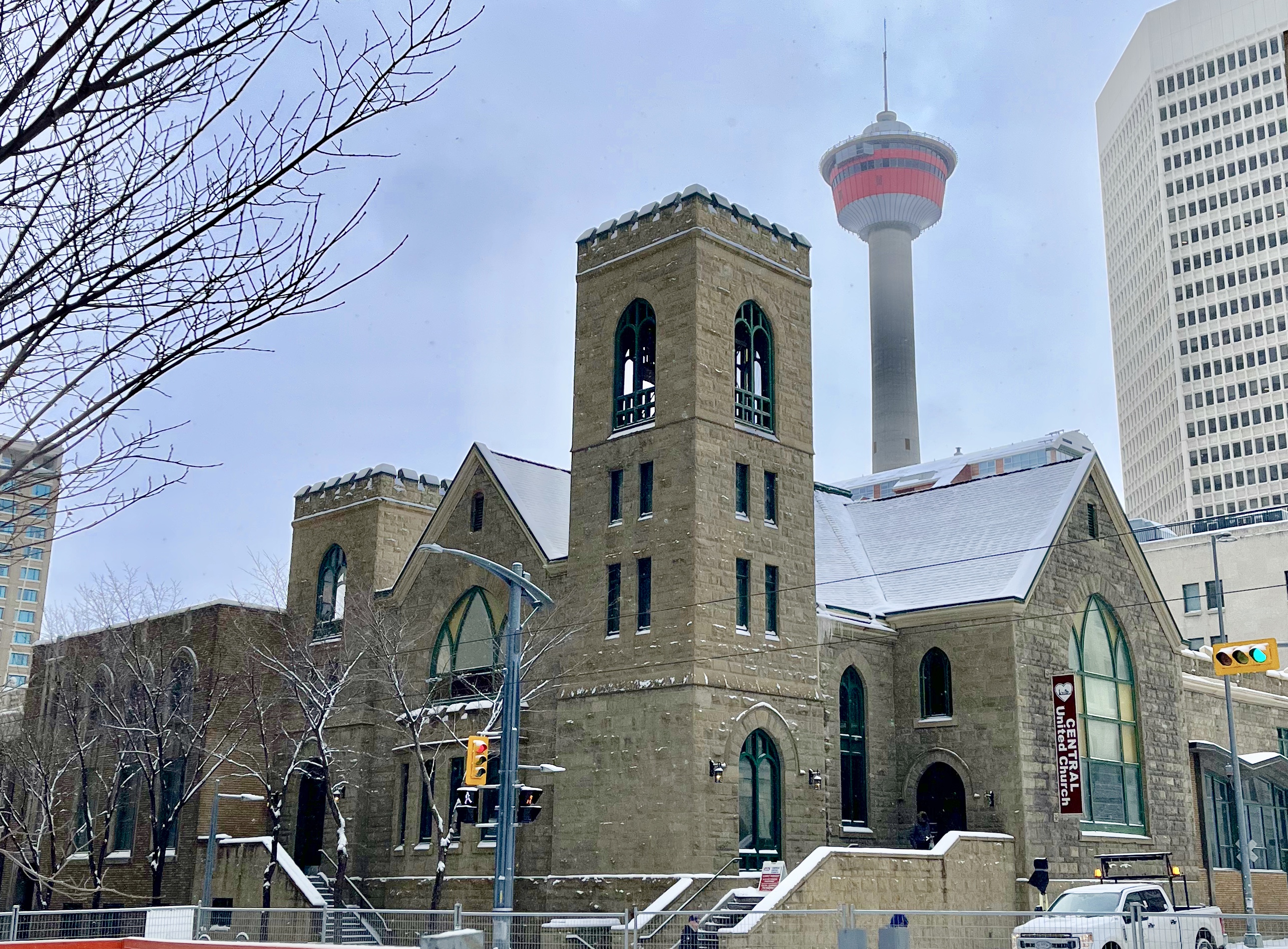
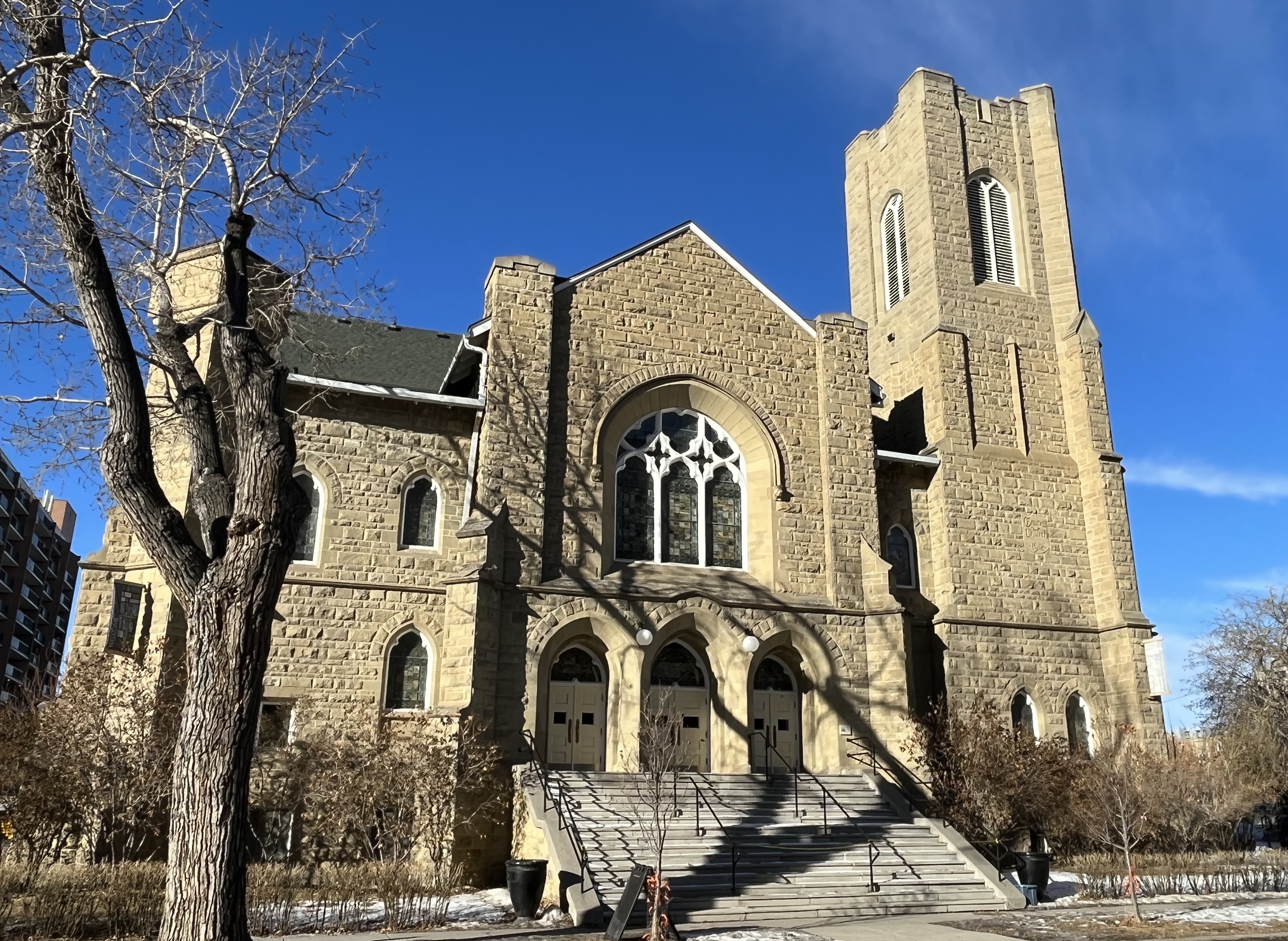
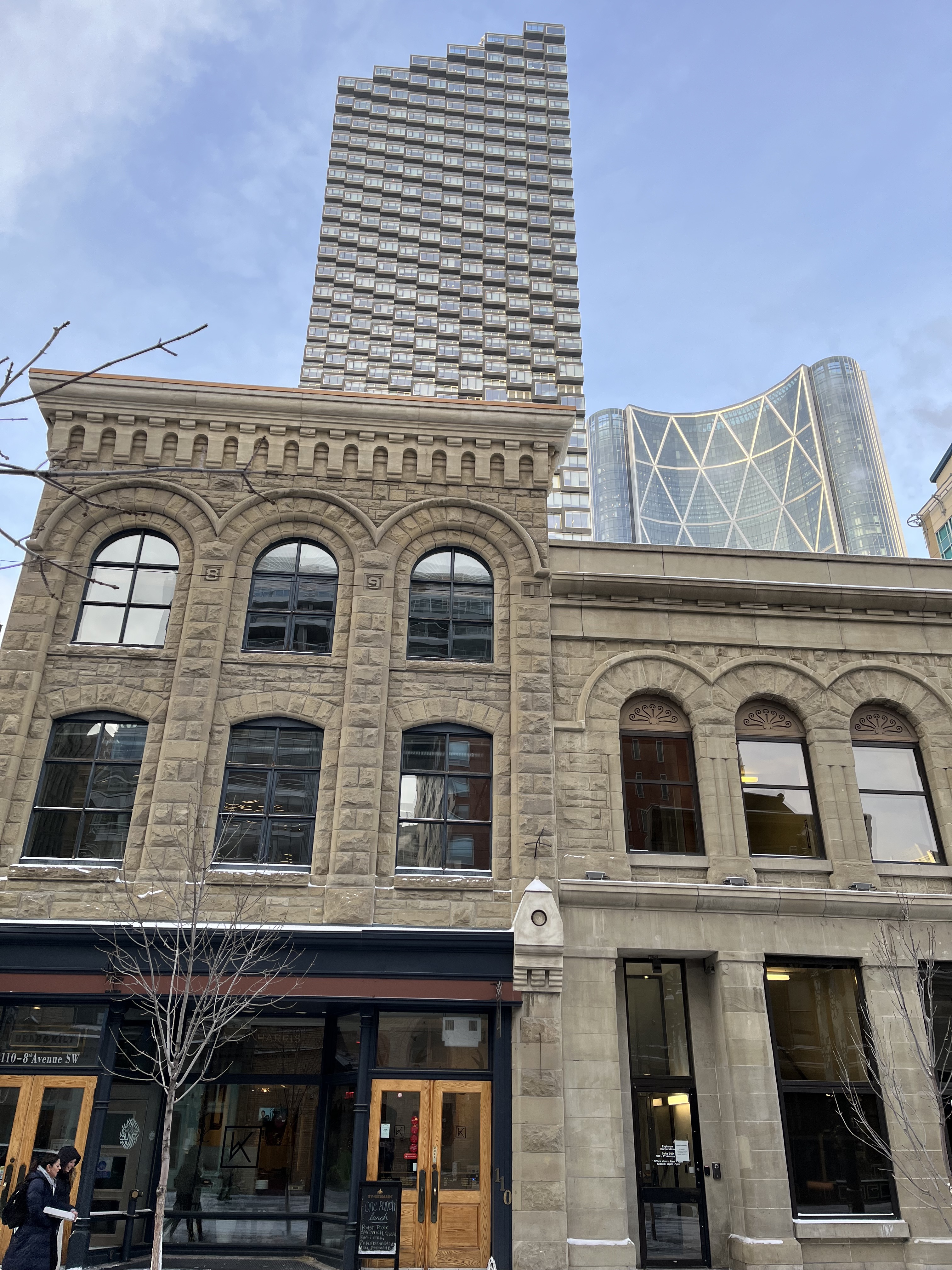
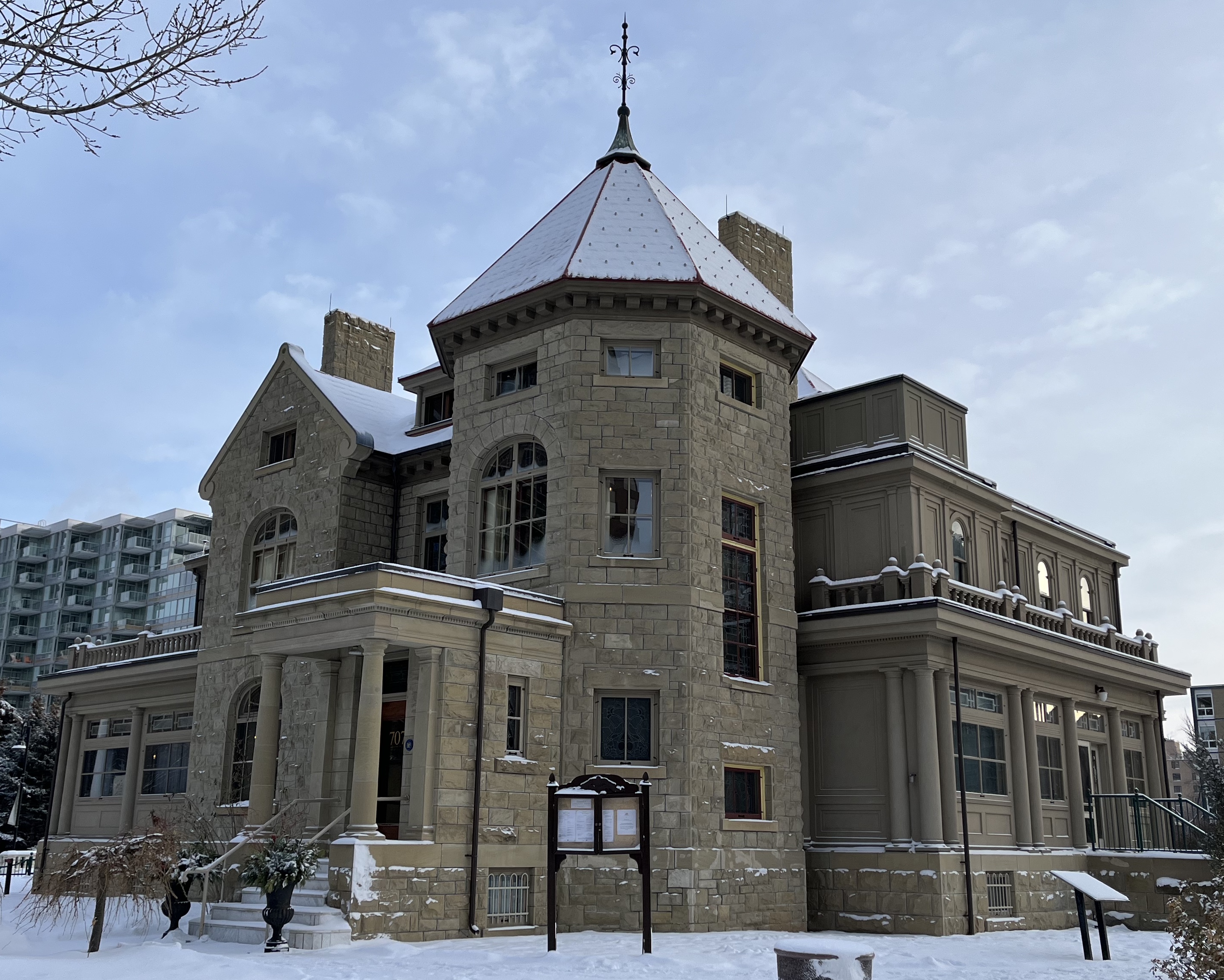
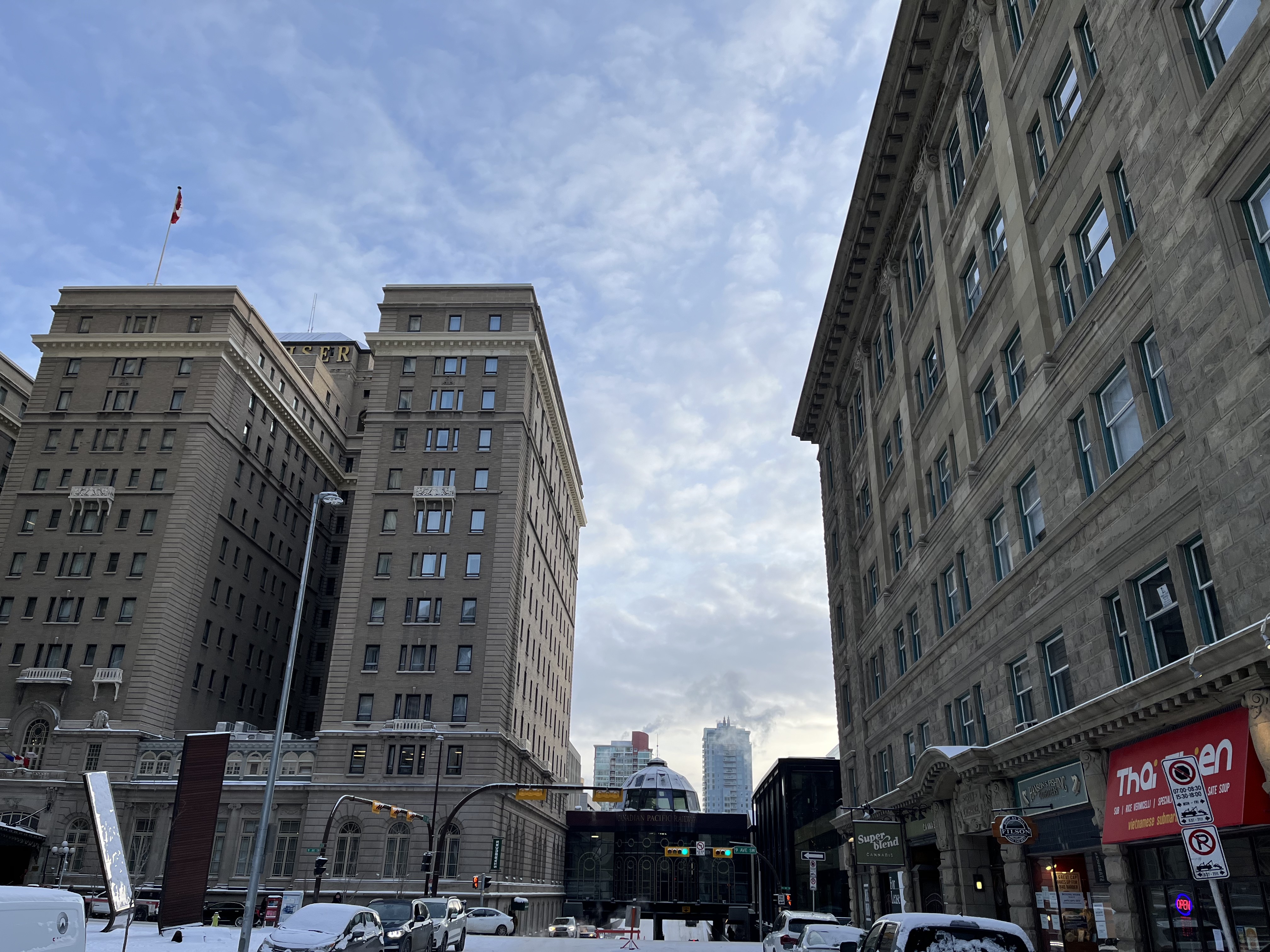
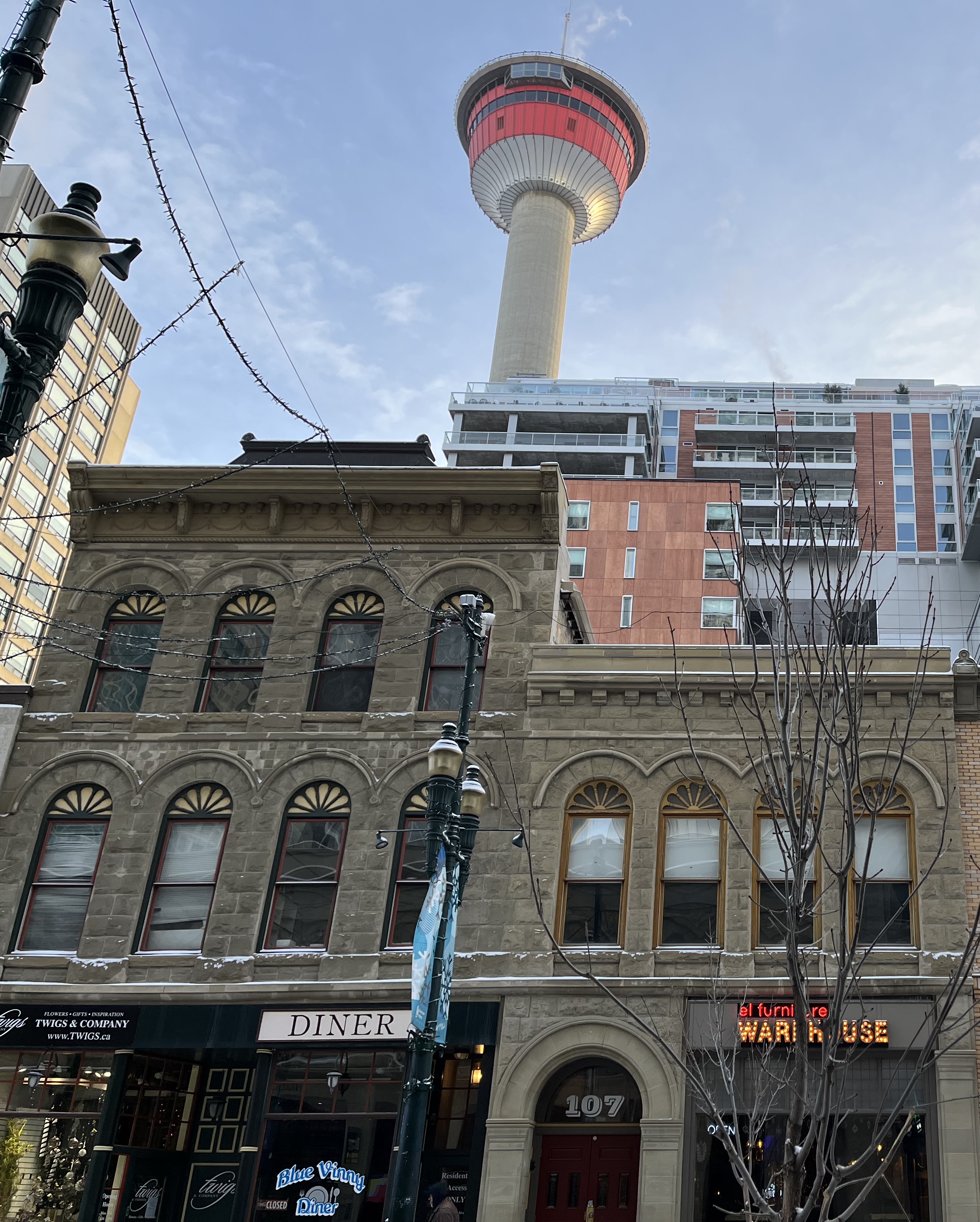
Examples from this construction era include the churches pictured above as well as many businesses on Stephen Avenue. The iconic Palliser Hotel, Grain Exchange, Lougheed House, and Memorial Park Library are part of this period.
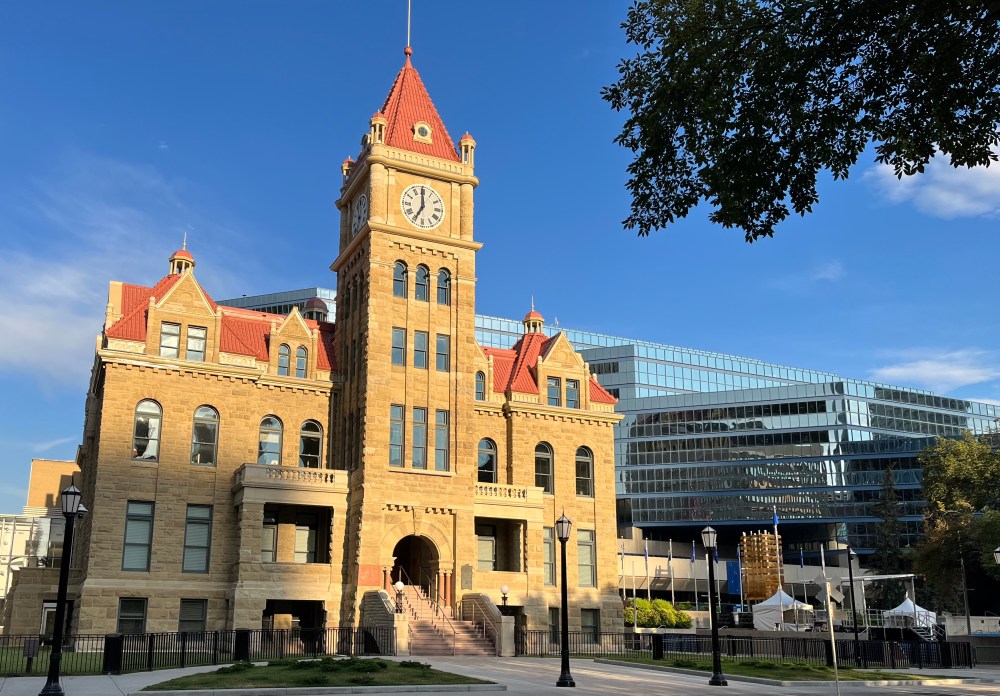
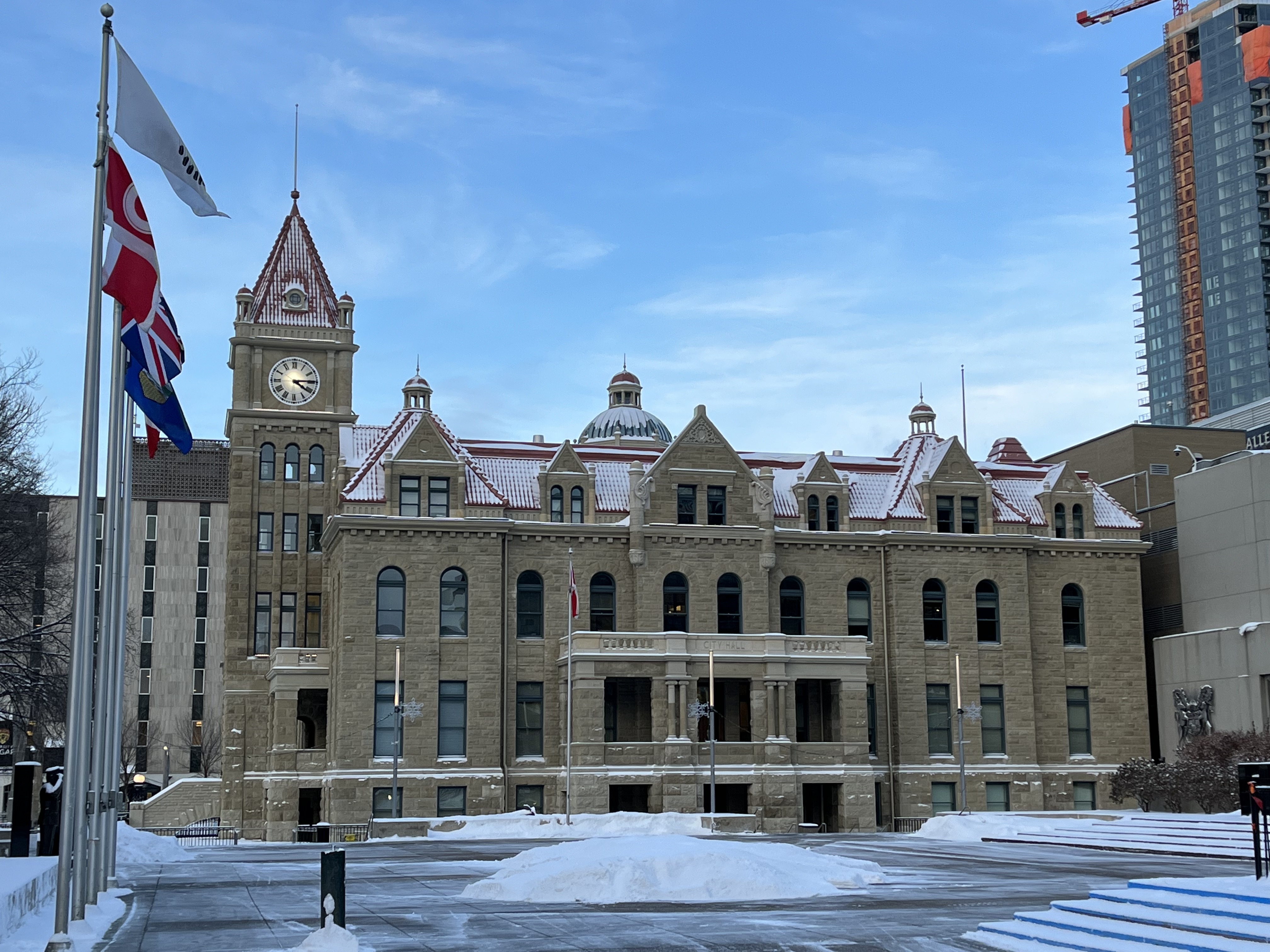
Historic City Hall was built between 1907 and 1911. It has been the seat of civic government for more than a century and is the only surviving city hall from its time in Western Canada. Read more about how Historic City Hall is foremost a public building.
Between 2016 and 2020 it underwent an extensive exterior heritage rehabilitation. Read more about The Restoration that will preserve this National, Provincial, and Municipal Heritage Resource for the next century. Read more about The Making of Historic City Hall from The City of Calgary Historic stories and images.
Preservation
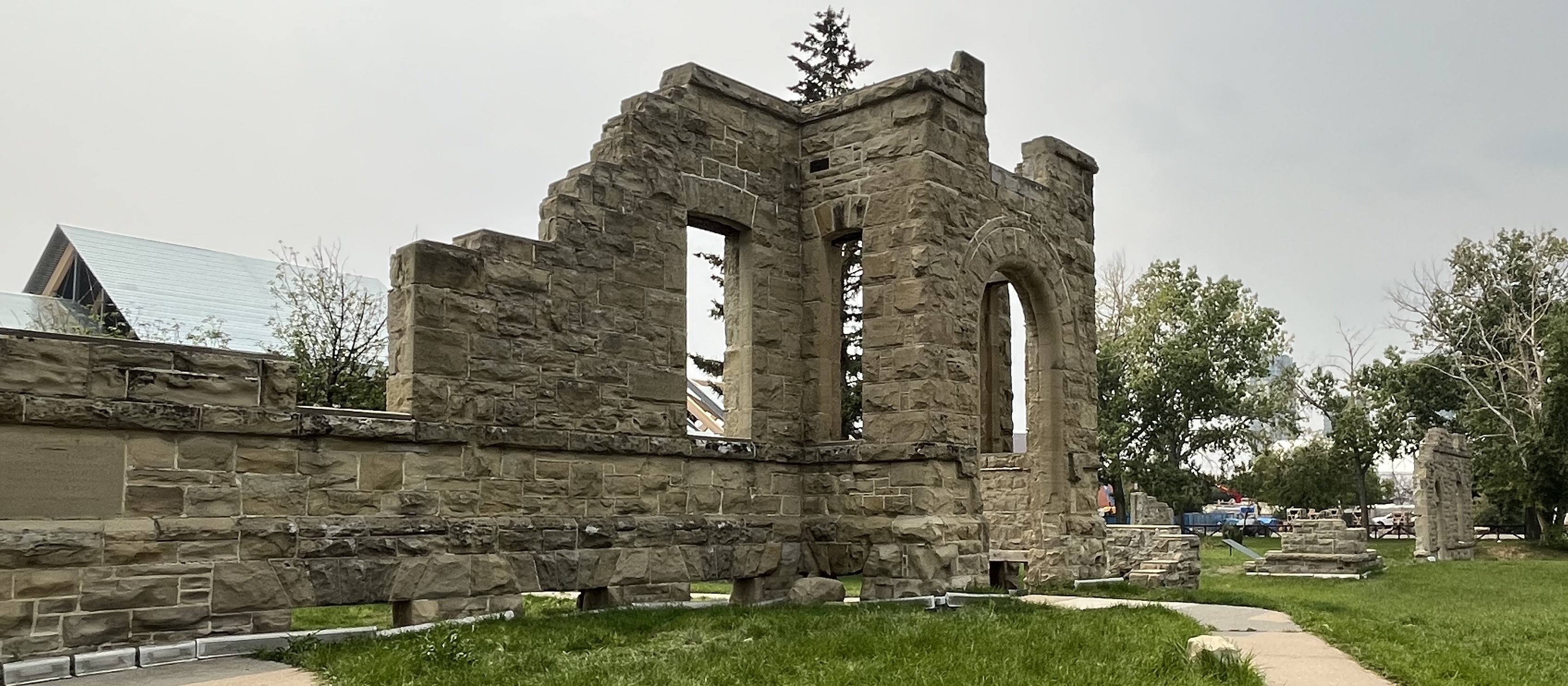
Calgary has had some notable failures in preserving its architectural heritage. The sandstone Rundle Ruins on the Stampede Campus are the remains of the first hospital. Built in 1899, designed in a neo-Romanesque style, it was demolished in 1973. These pieces were relocated and integrated into Victoria Park in 1974, creating a popular spot for photographers.
A preserved Baroque cupola is all that remains of Central Public School. It was opened in 1904-05 and demolished in July 1969 when it was replaced by a Greyhound bus terminal. William Dodd, who also designed City Hall and Central Collegiate Institute, designed it using adapted plans from Winnipeg.
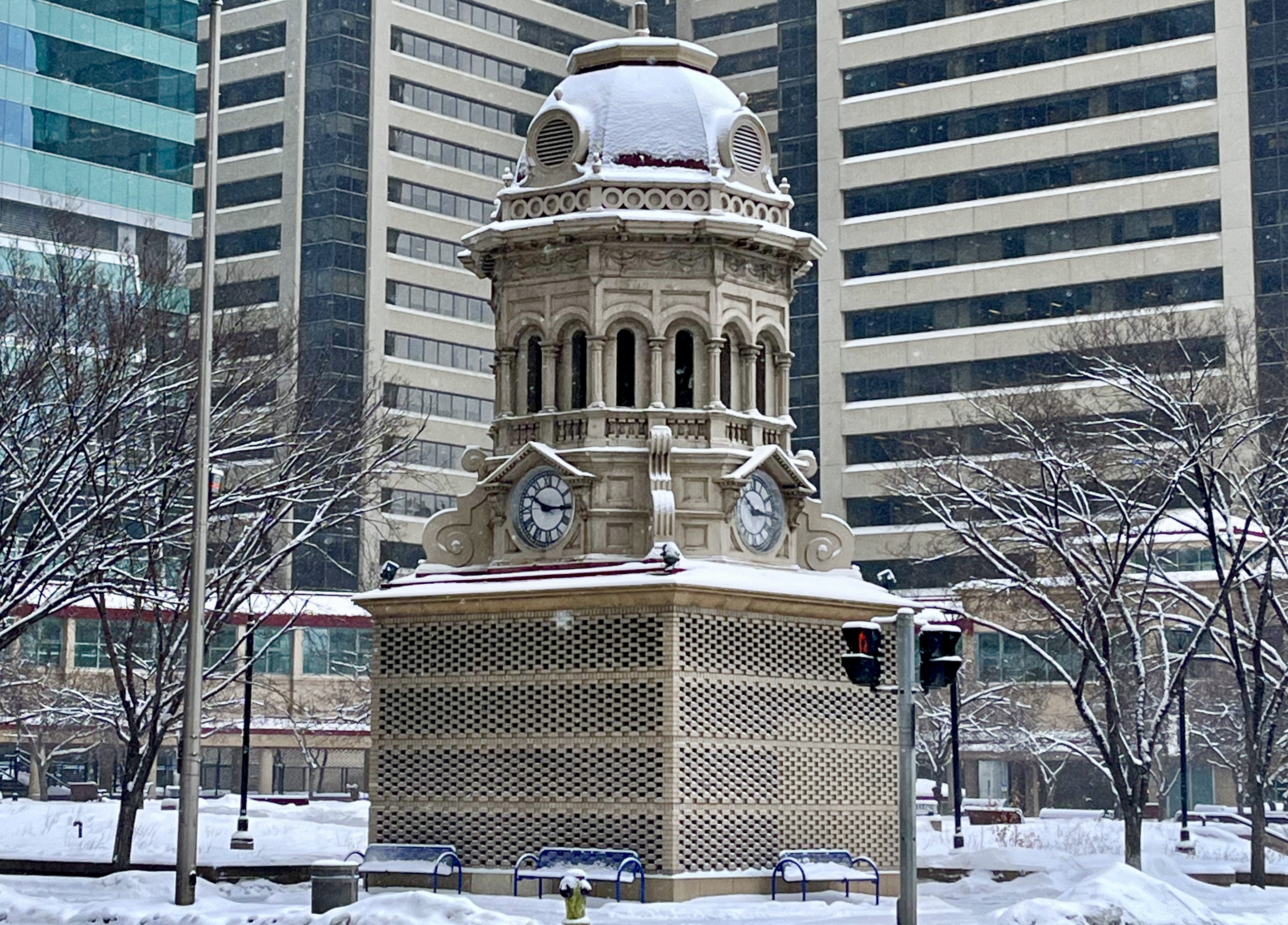
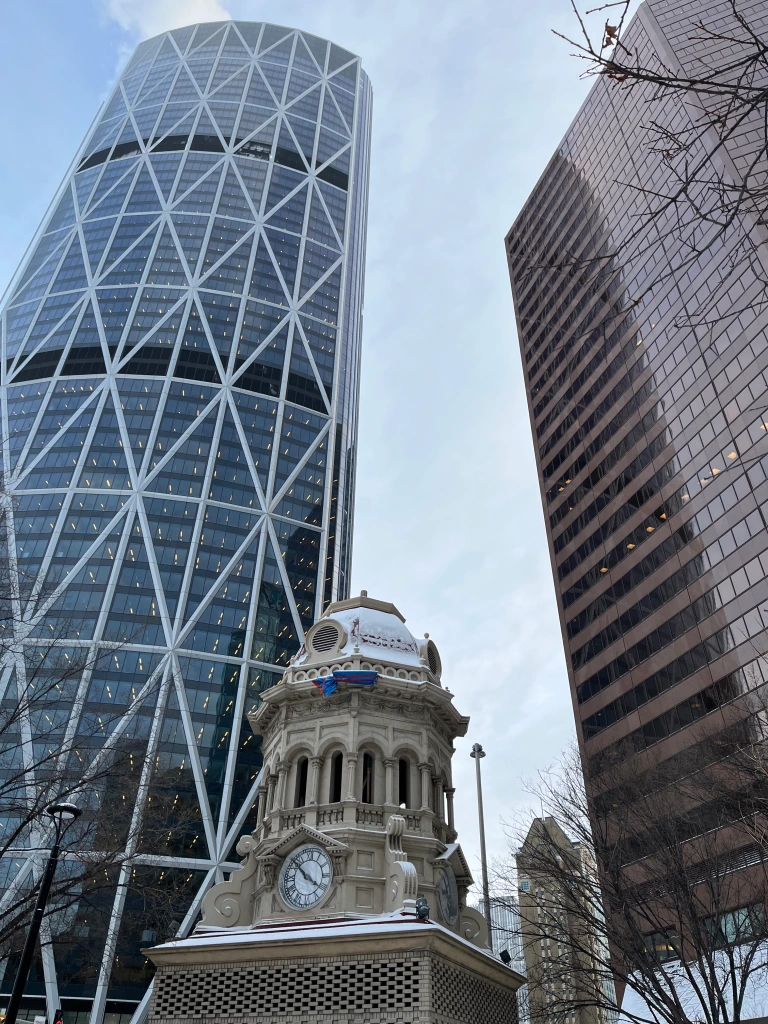
The domed cupola was salvaged and safely stored until 1973 when it was moved to Prince’s Island Park. In 1991 it returned to its original location to anchor a new park and parkade. An old clock salvaged from the Burns Building was added. Over 1,000 hours of volunteer labour by the Calgary Alberta Clock and Watch Club went into its restoration.
The site was renamed Harmony Park and Parkade in November 2022 to acknowledge racial discrimination against Chinese Calgarians.
These places now serve as a reminder of the importance of heritage preservation.
SUCCESS STORIES – Old Schools
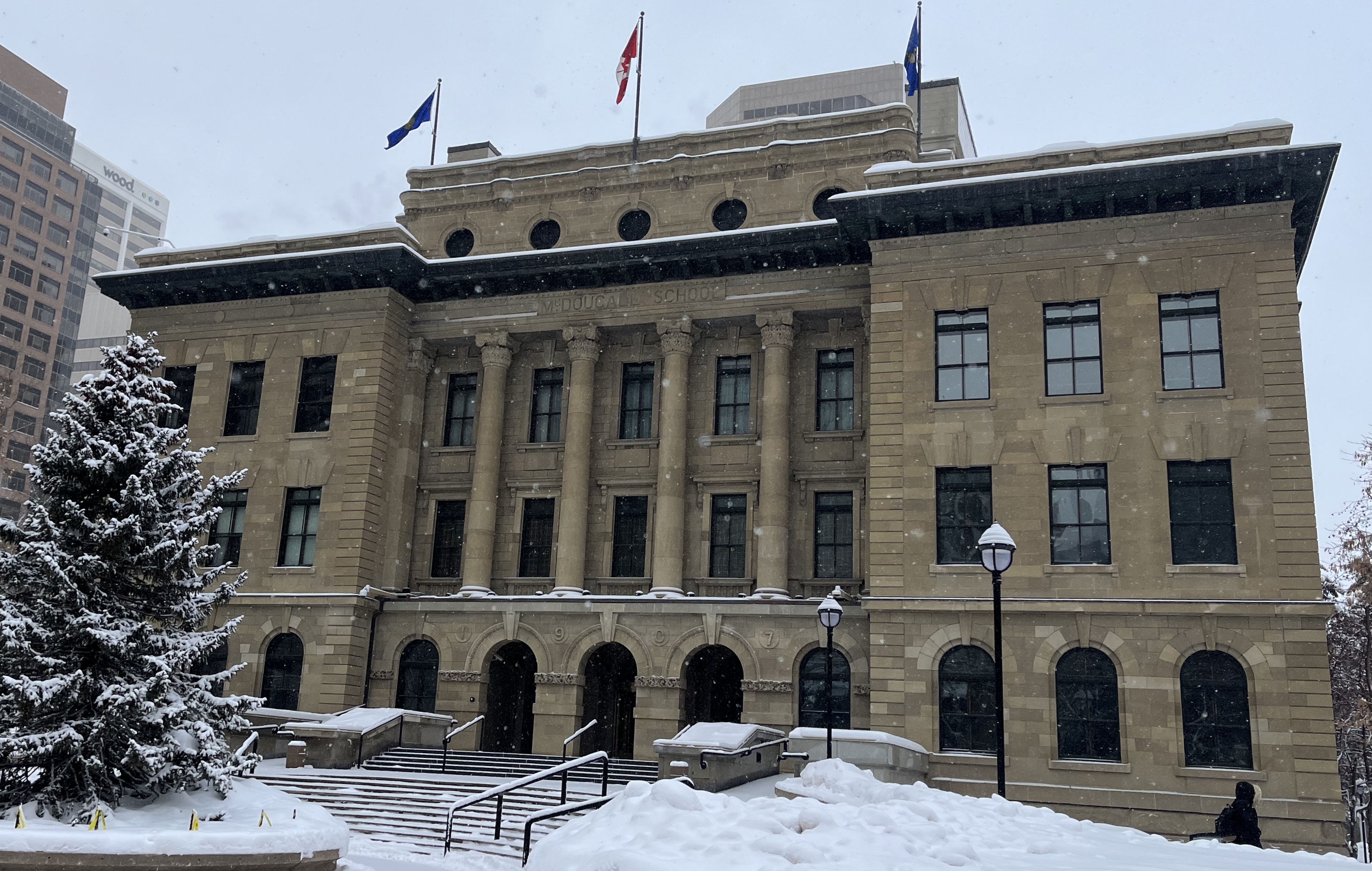
Calgary has had success in the ongoing use and adaptive reuse of its inventory of historic schools. Nineteen sandstone schools were built between 1894-1914 and anchor some of the oldest neighbourhoods.
These sites are ideal starting points for a hike through a historic community. Learn more at The Urban Explorer – Old School.
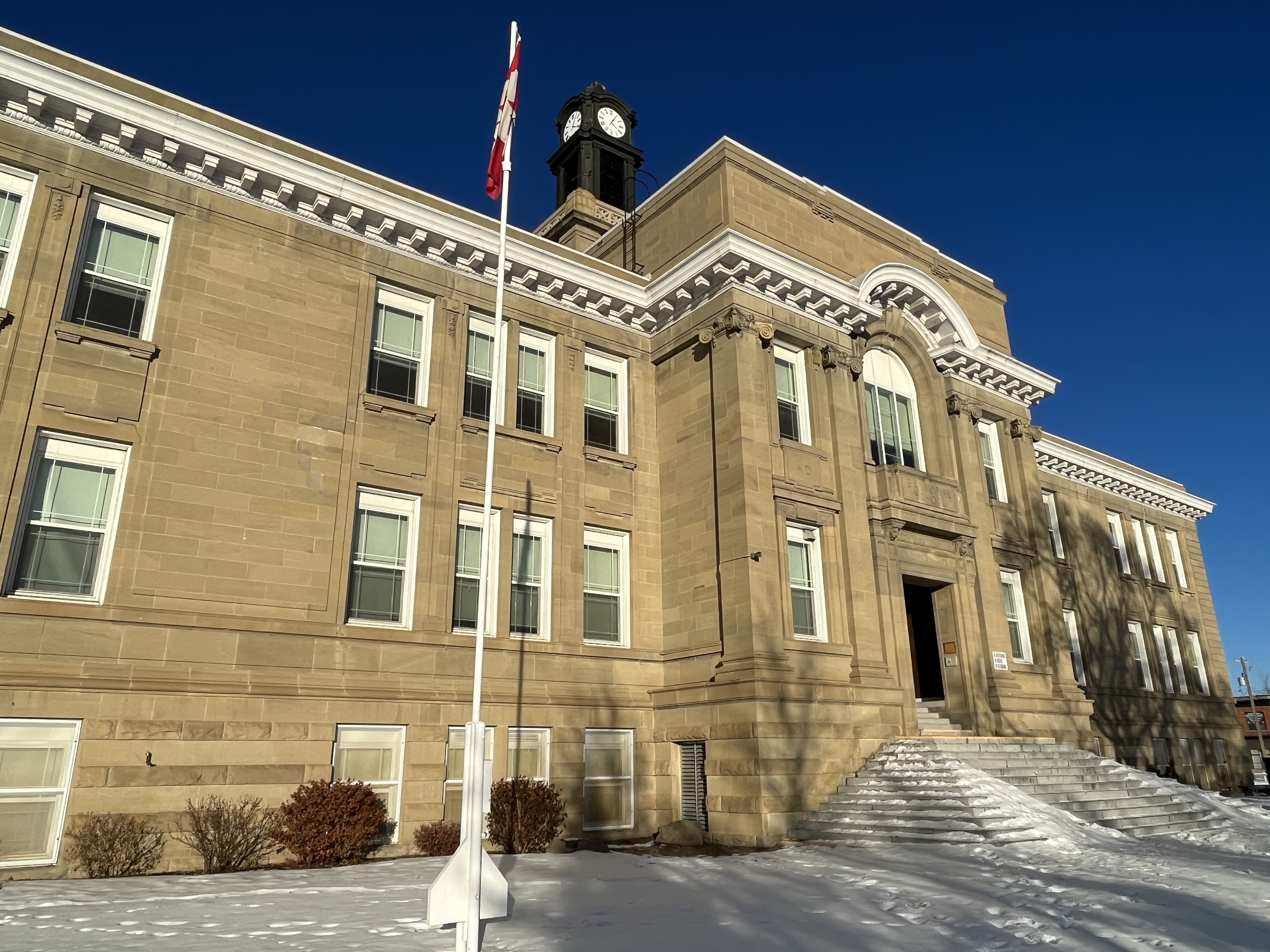
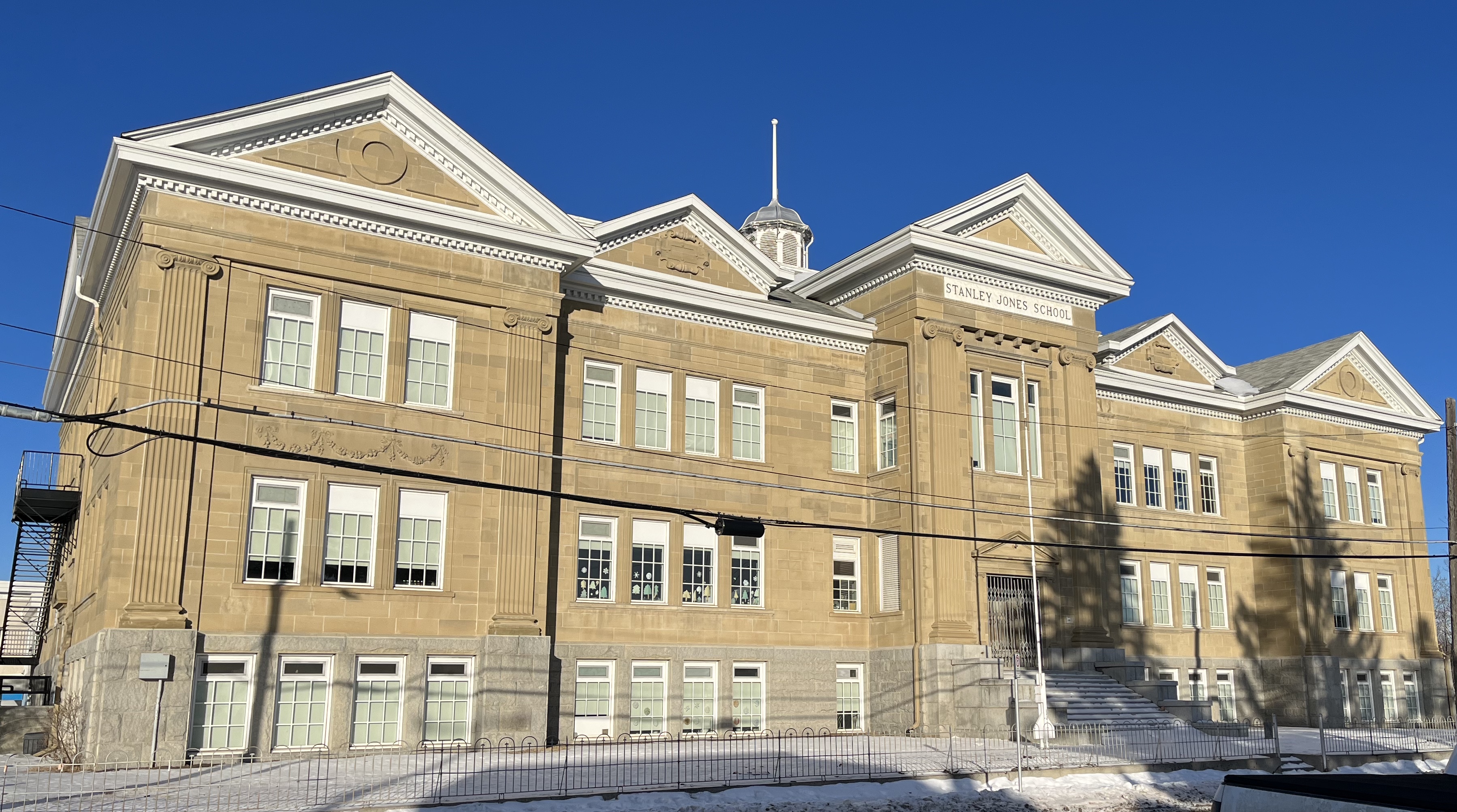
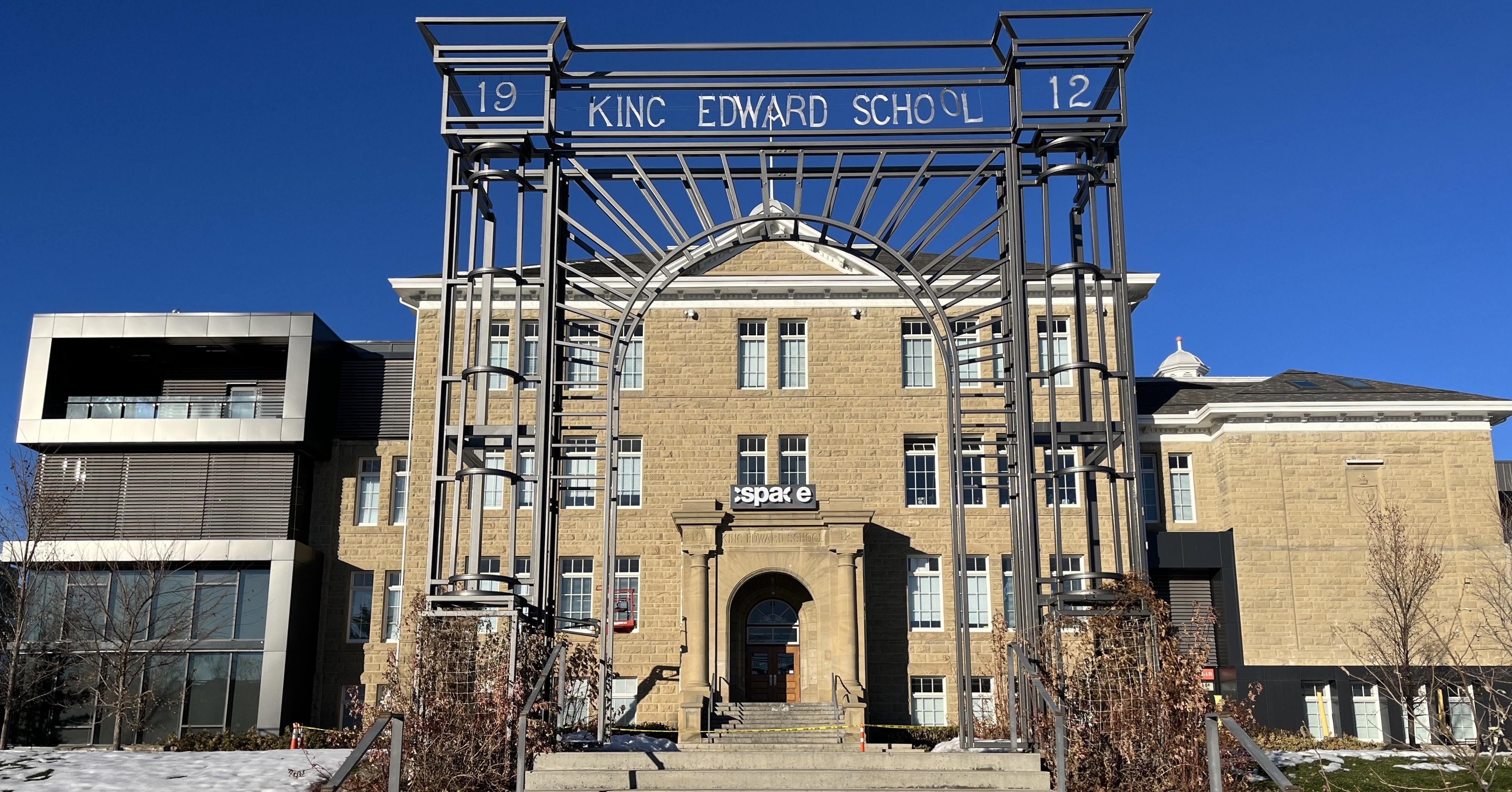
Balmoral School was the last and most expensive while King Edward has been beautifully repurposed. Victoria School is an early example, built in 1912 in a simply detailed Edwardian classical style with a square form, pyramidal pitched roof and a central cupola.
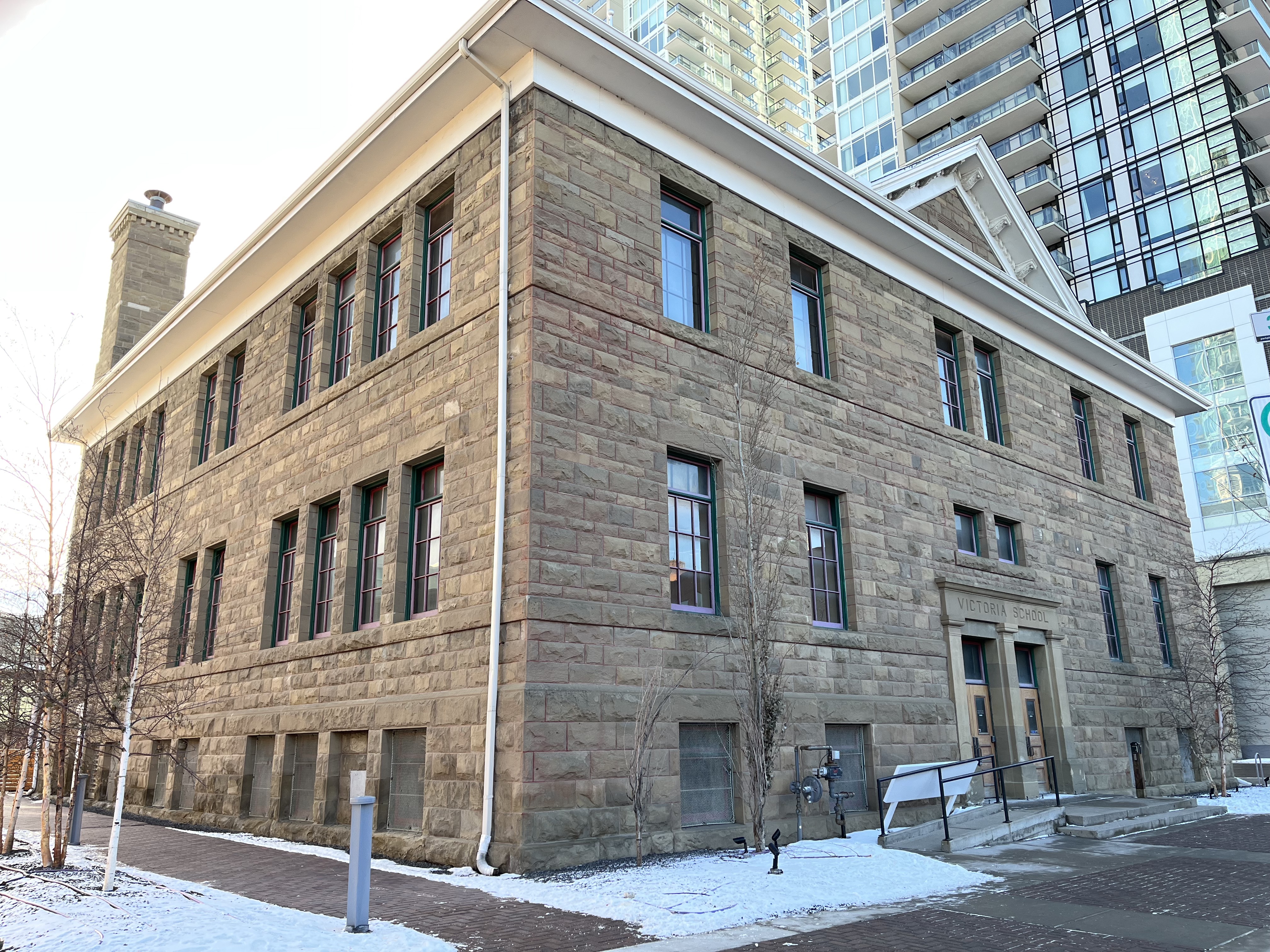
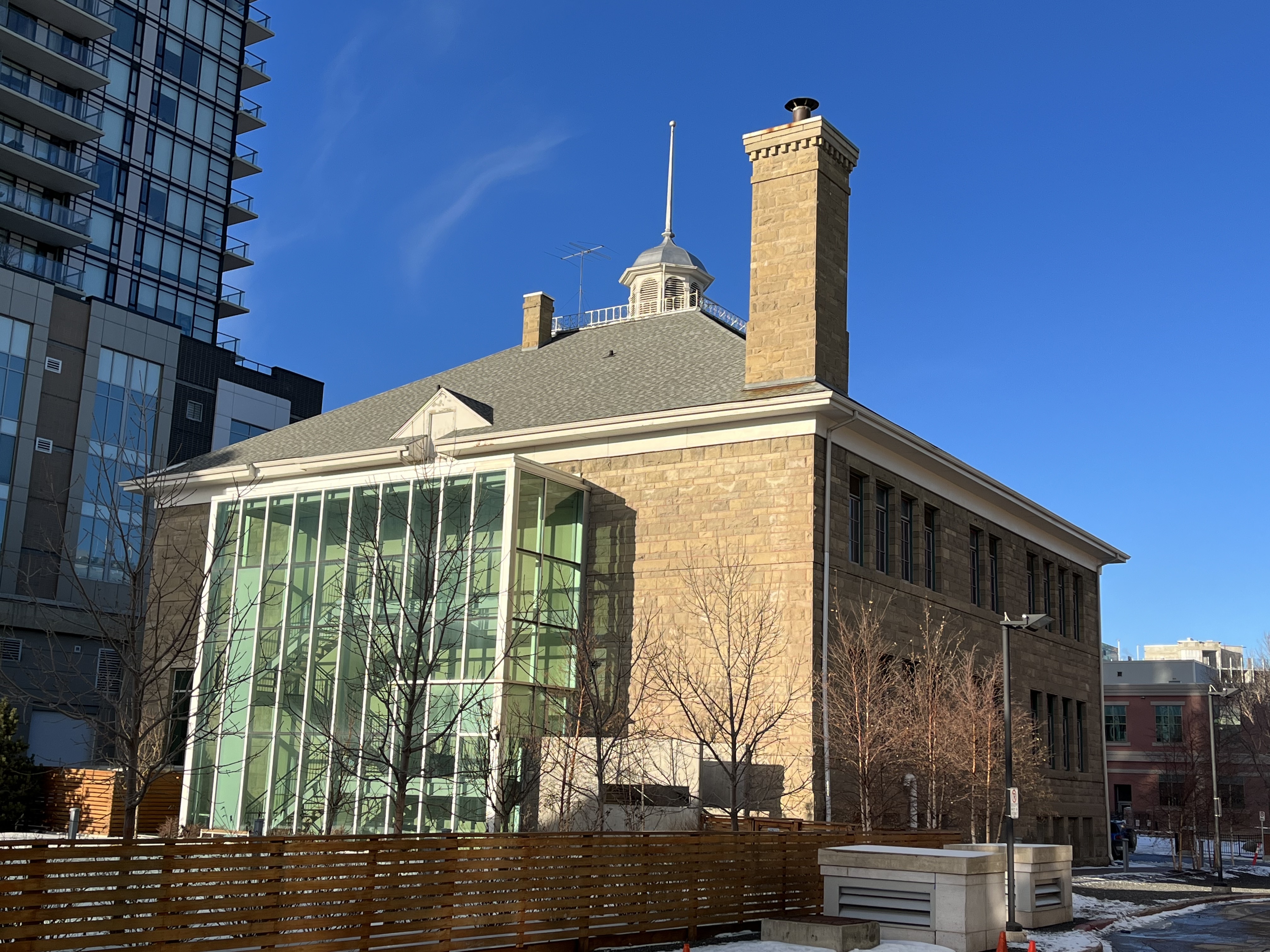
The building was threatened for years due to its location. It was recently incorporated into the site of The Guardian’s 44-storey condominium development. Now the tallest residential tower in the city. The school remains in its original space, retrofitted for commercial use.
(Credit: Architectural descriptions from HistoricalPlaces.ca)
Carl Safran Centre
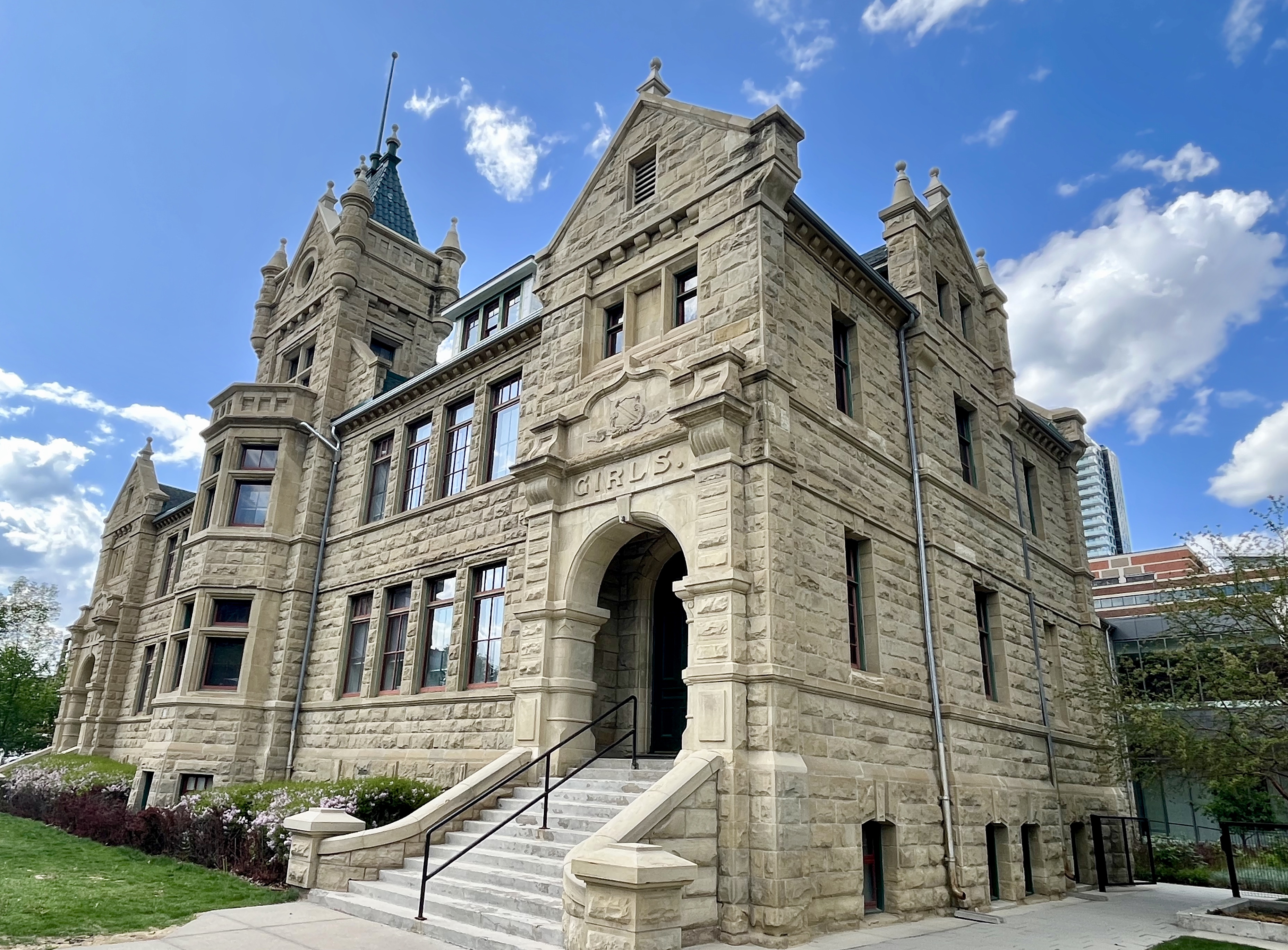

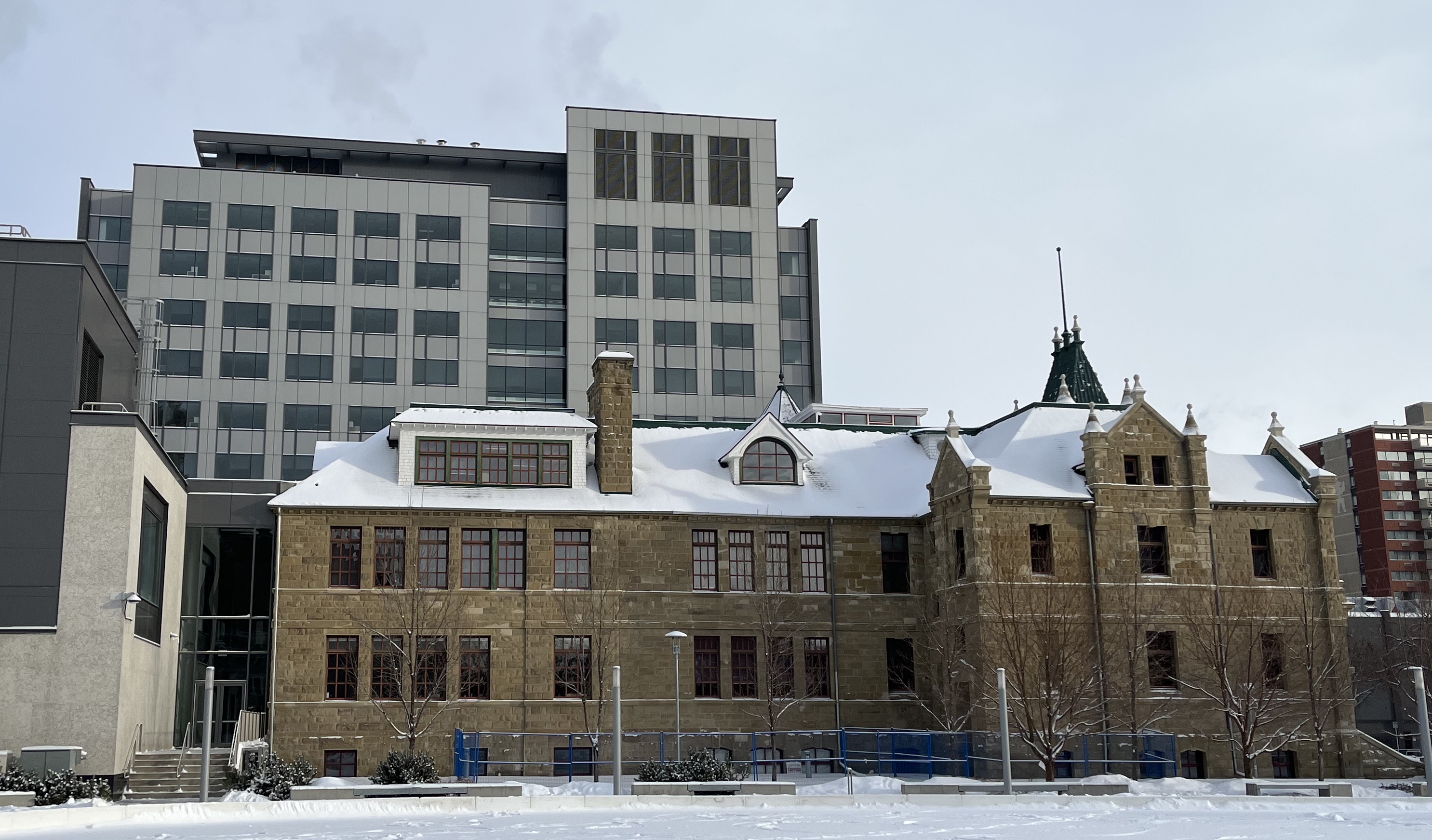
The Scottish baronial-styled Carl Safran Centre, originally Central Collegiate Institute, was the first structure in Calgary explicitly built for secondary education. It is perhaps the most picturesque sandstone building in the city, with its castle-like roofline and ornate carvings. Similar to City Hall, it features a 72-foot tower and grand arched entrances. Typical of schools of the time, there are separate entrances for boys and girls.
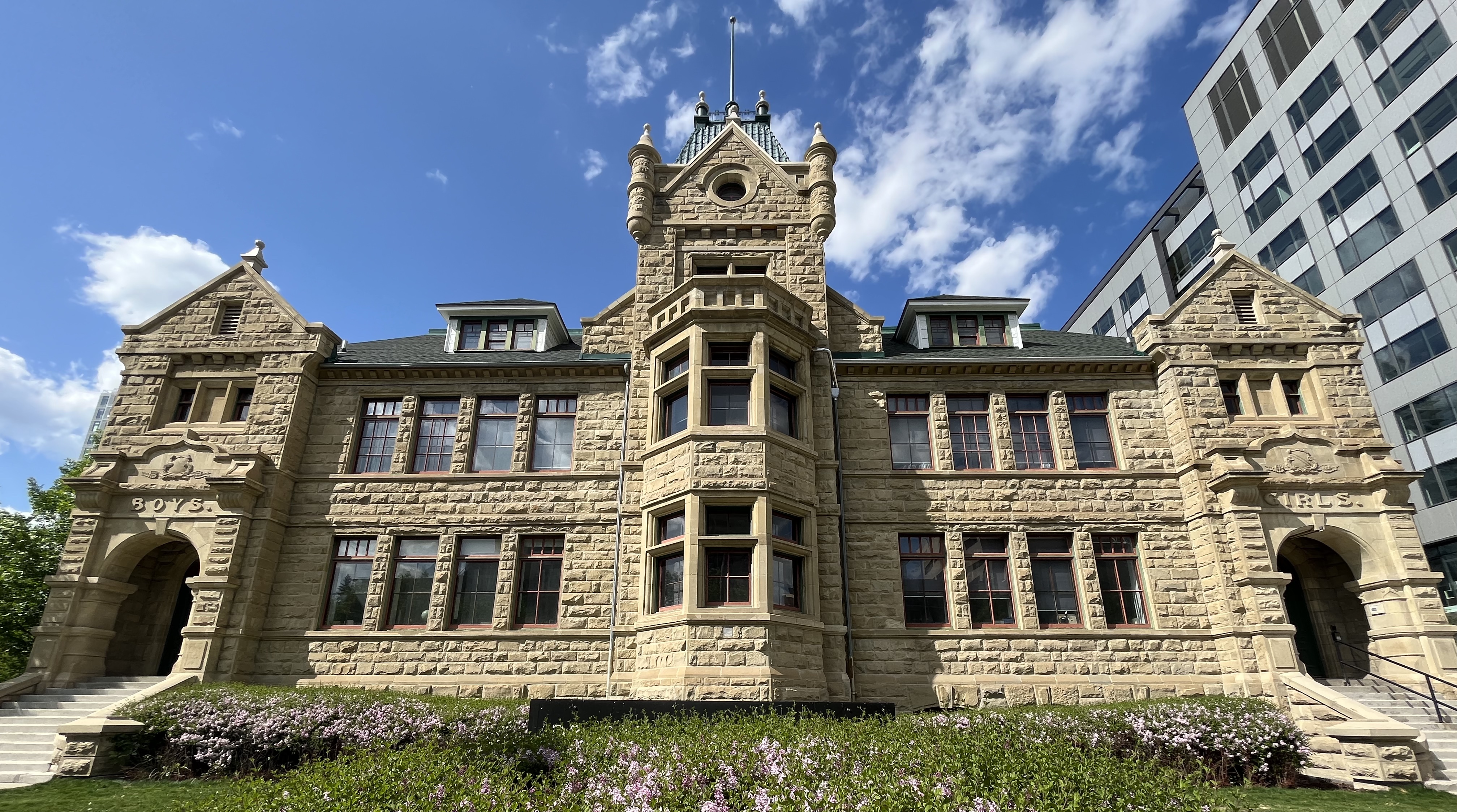
When it was completed in 1907, it was the most modern school in Calgary. Featuring a self-contained coal heating plant and indoor plumbing. It is now part of the adjoining Calgary Board of Education office tower headquarters. The new development was set back to provide an unobstructed view of the carefully restored school.
Vote for the best
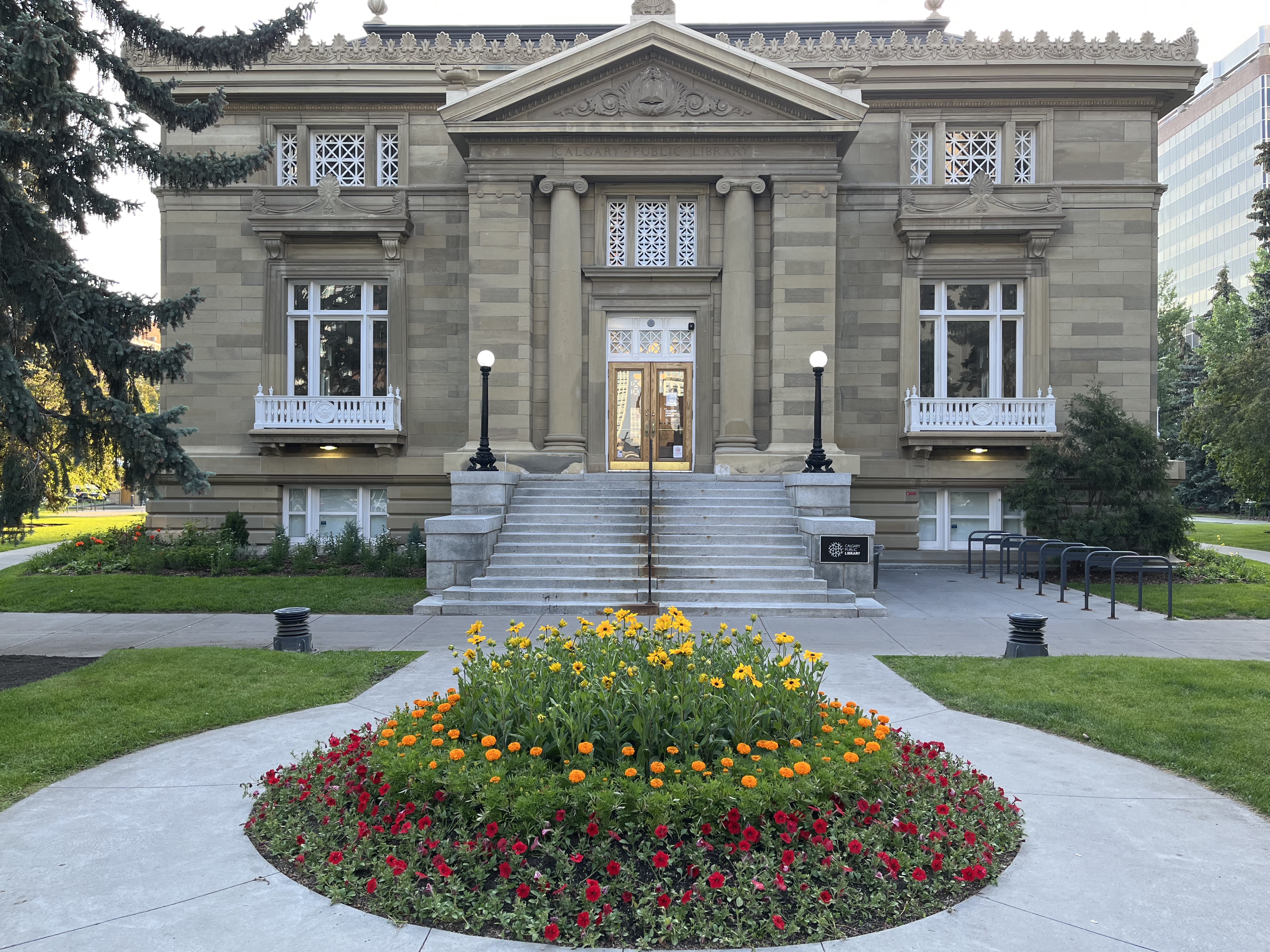
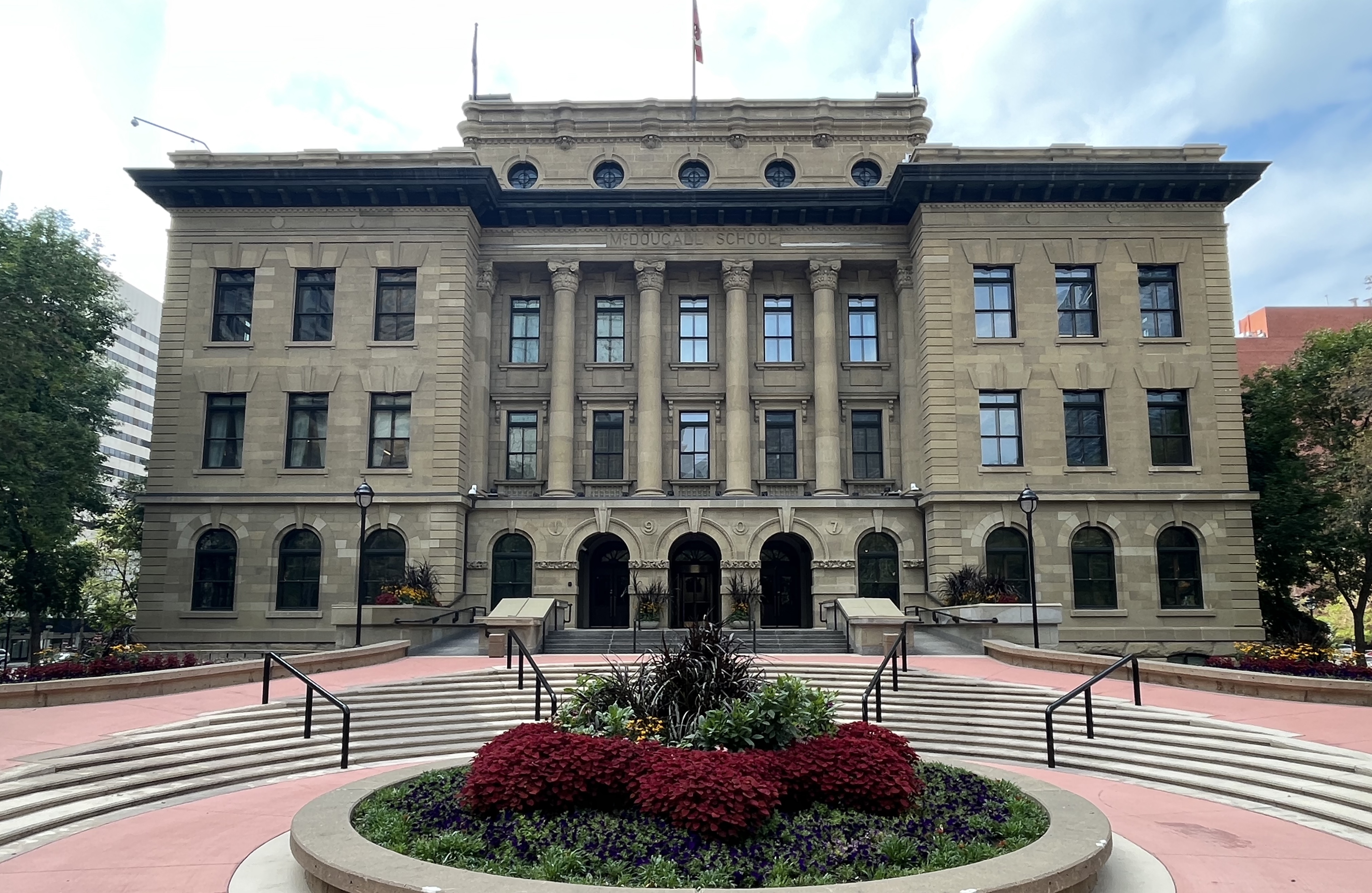
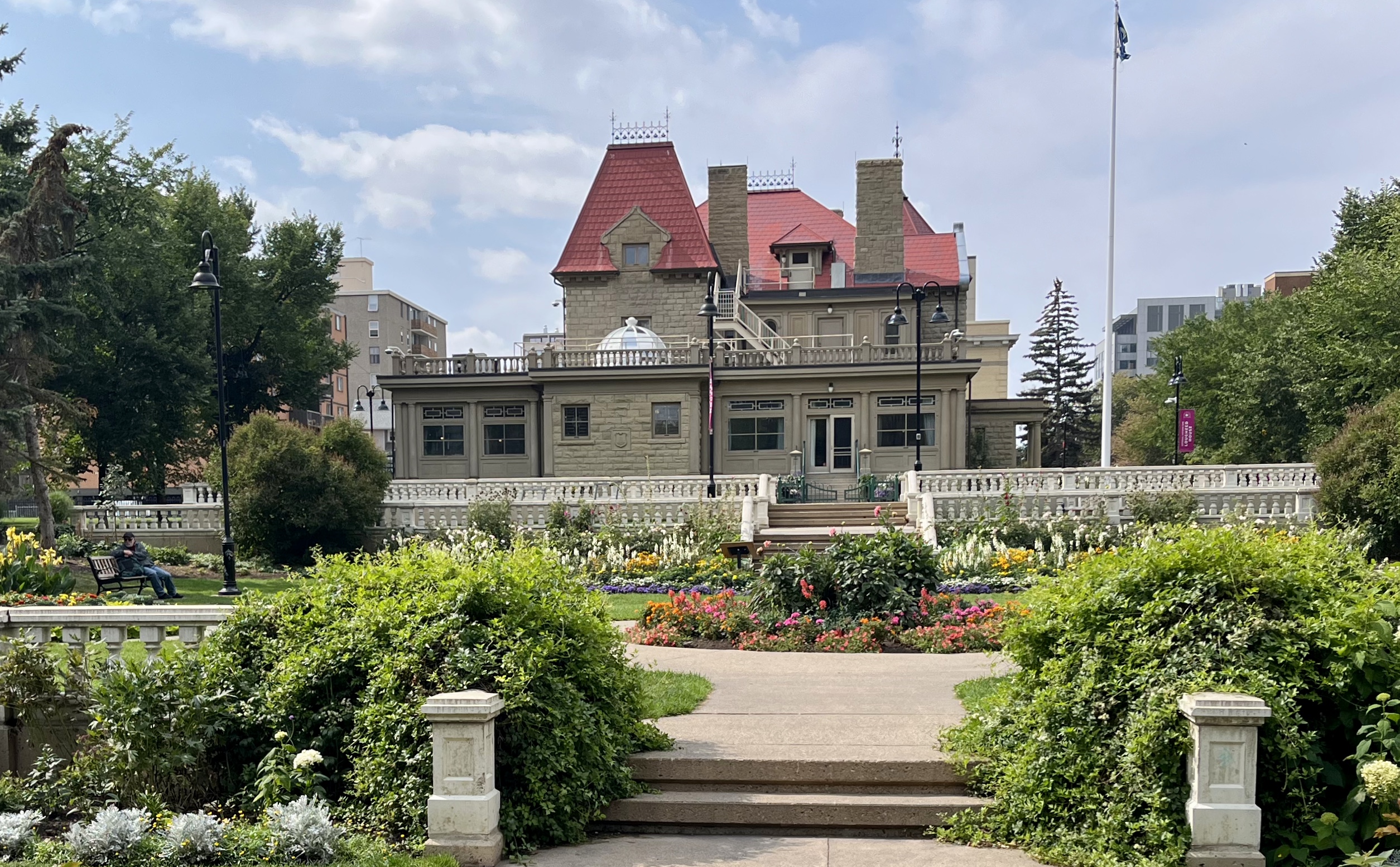
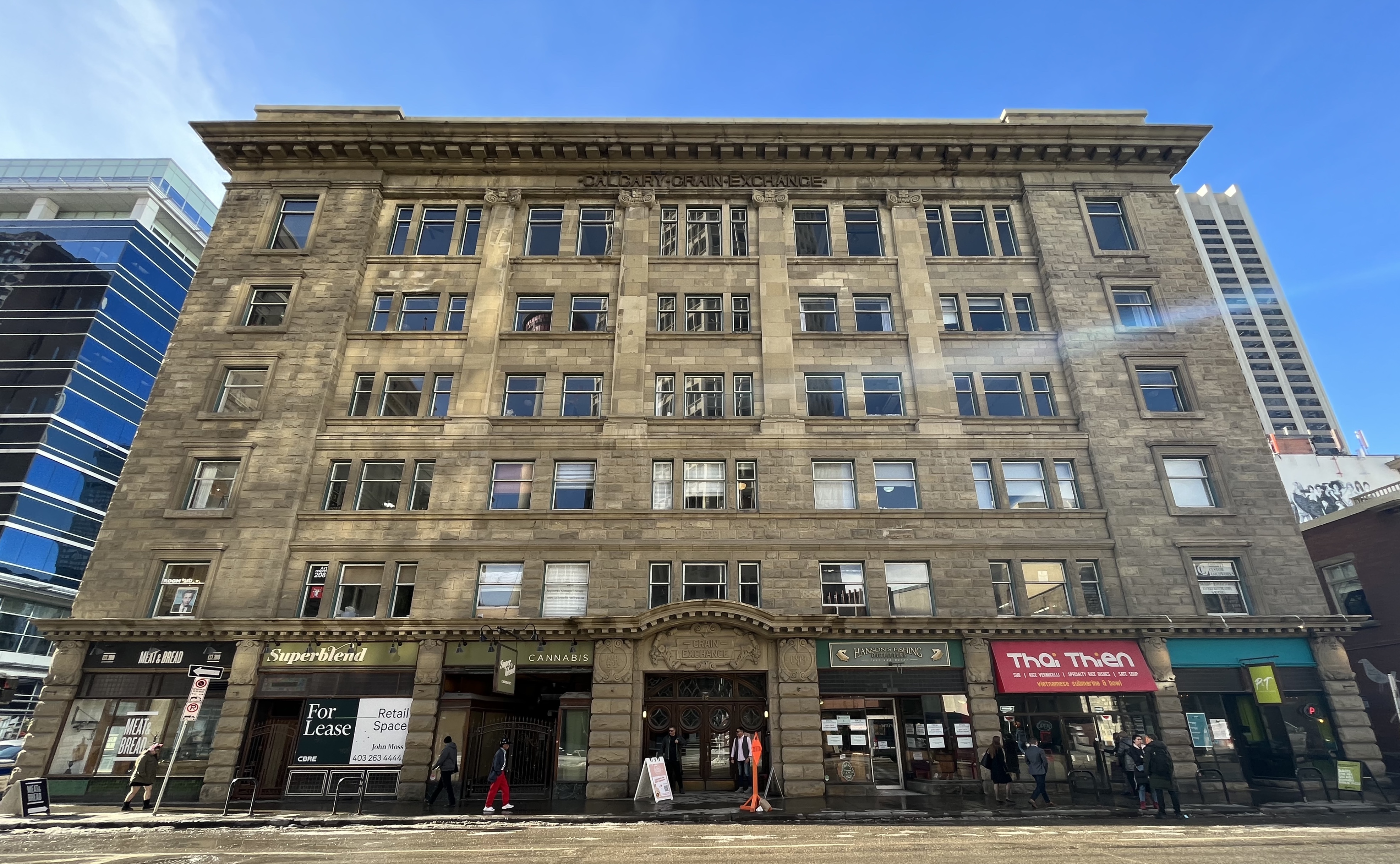

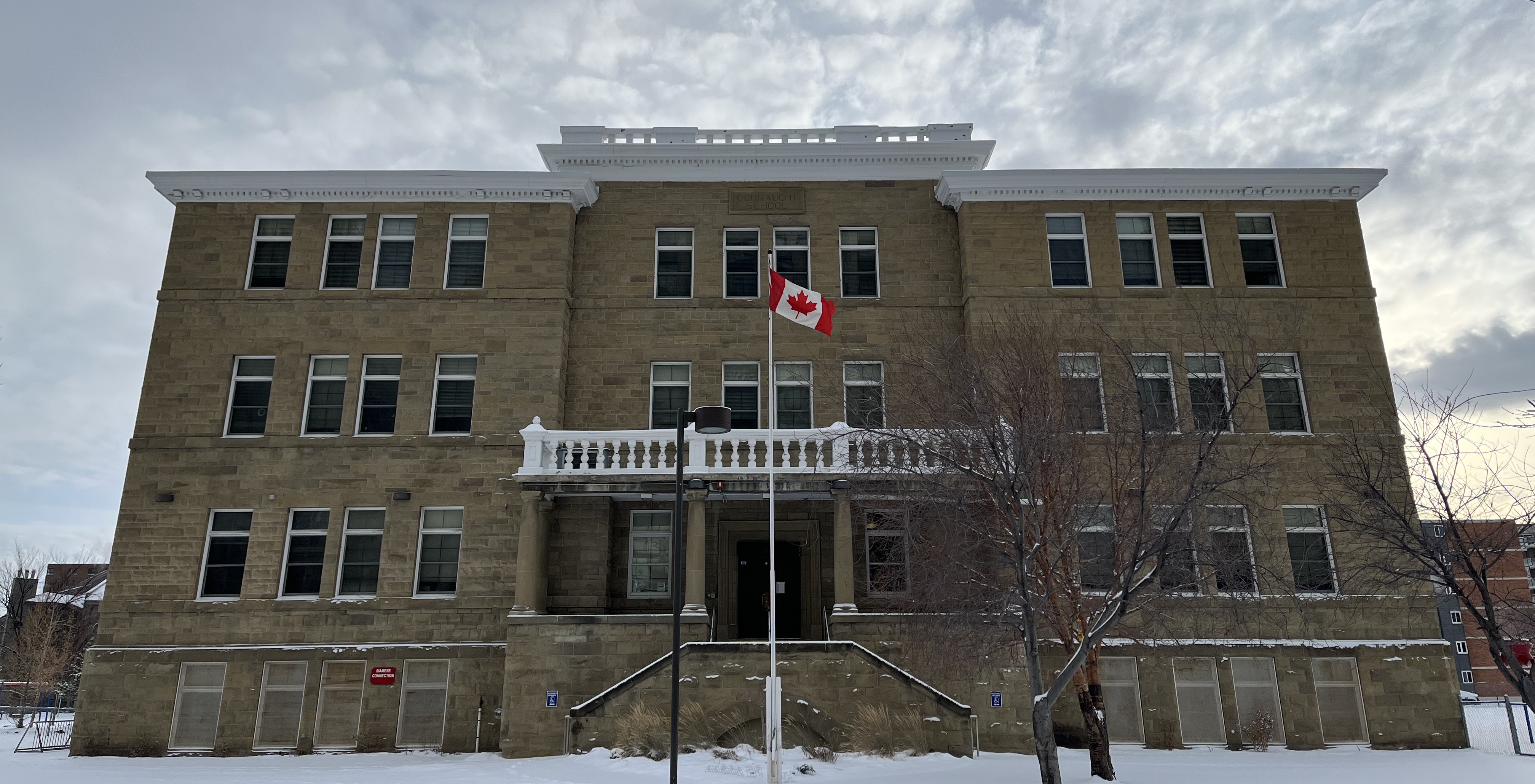
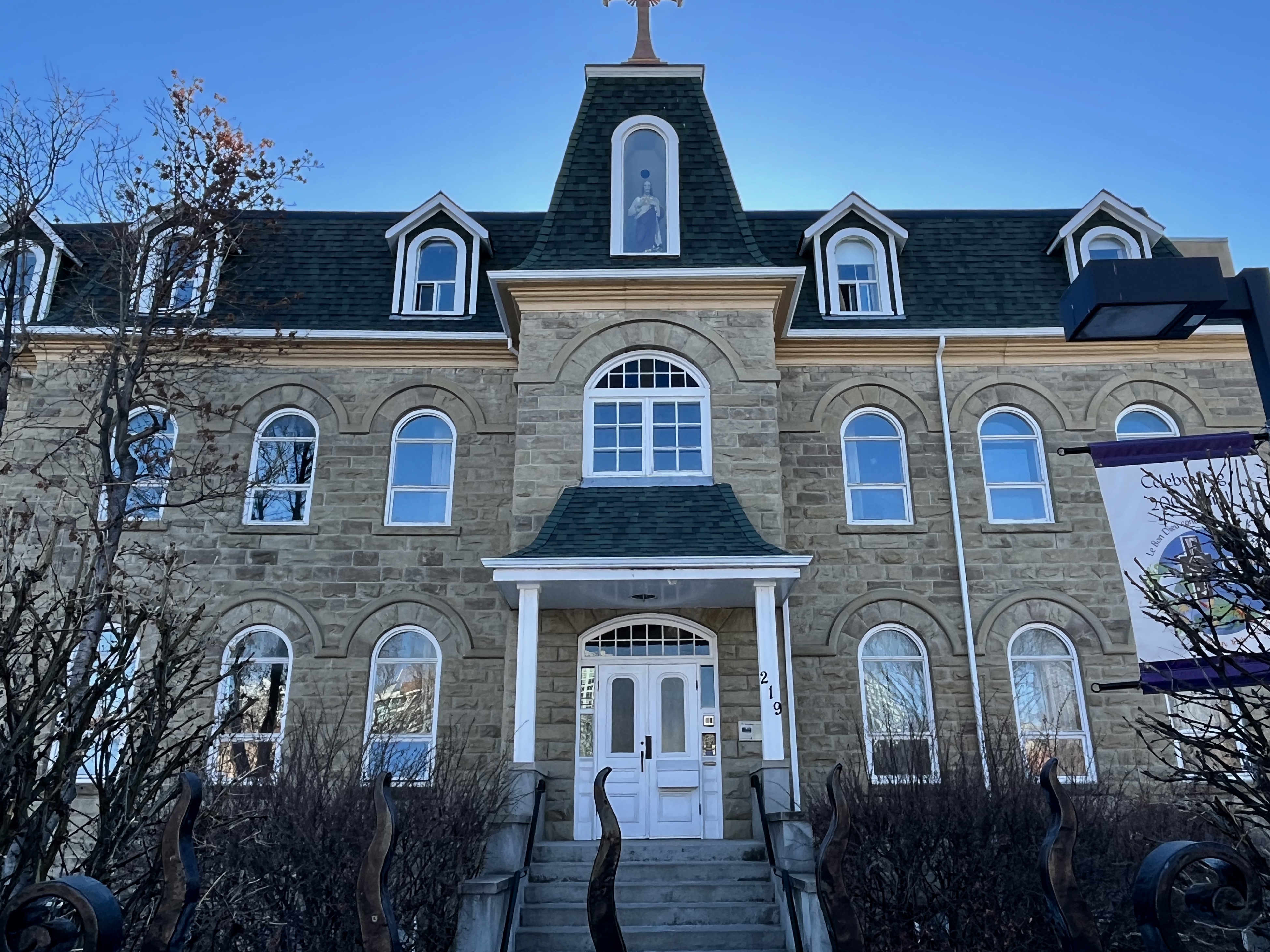

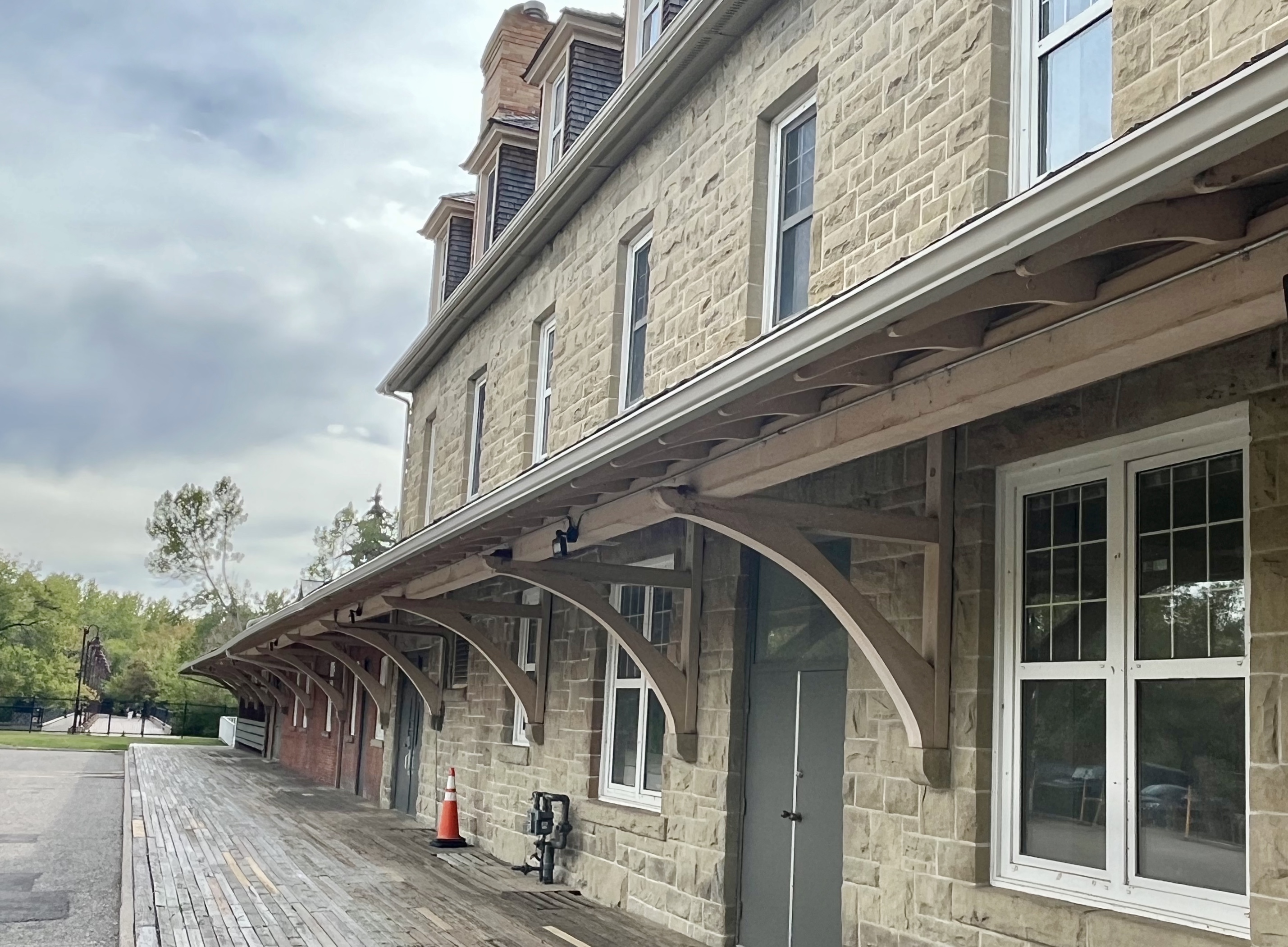

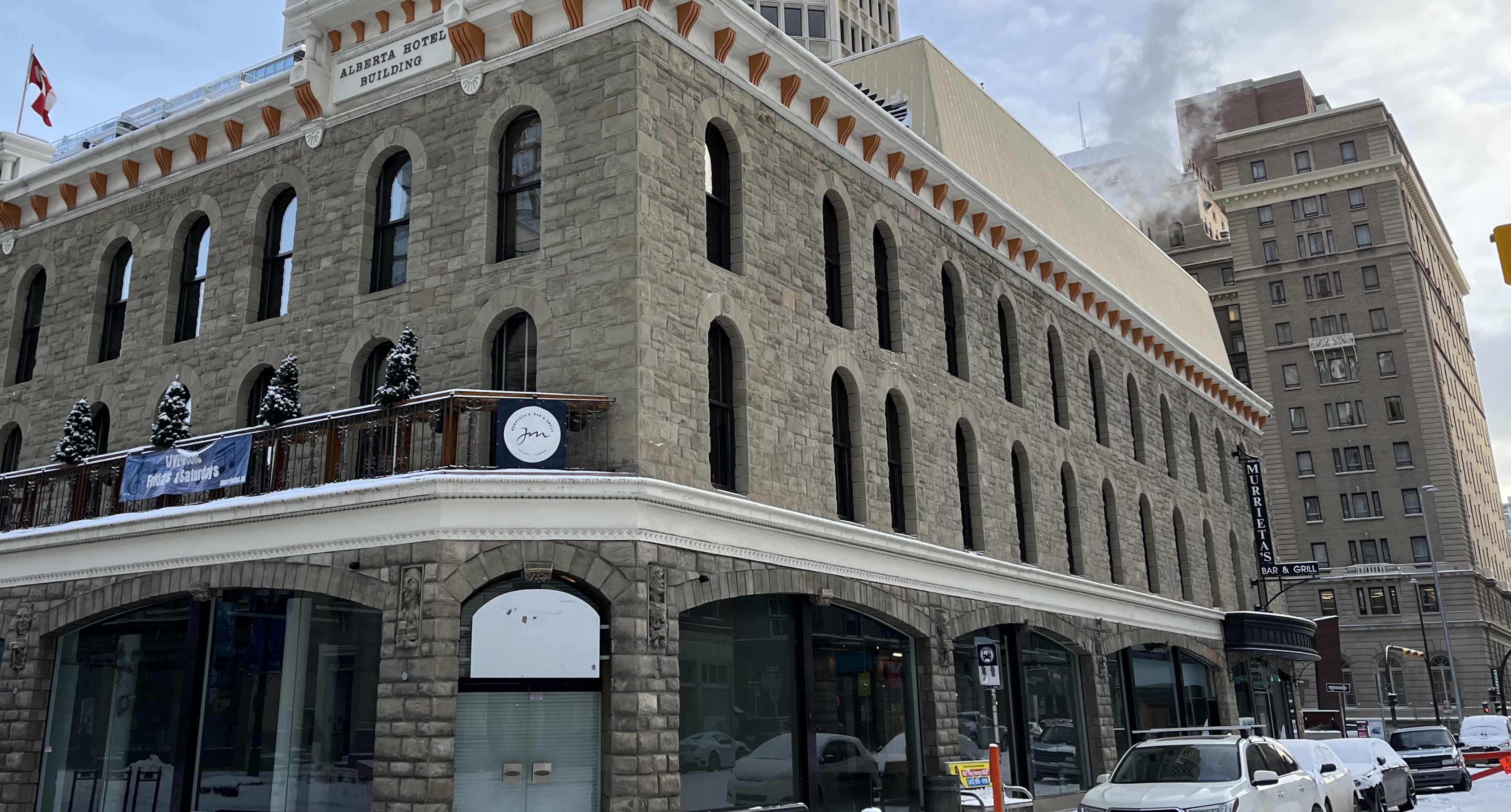
Credit: Heritage Calgary Inventory of Evaluated Historic Resources.
 The Urban Explorer